CDP, an international nonprofit that examines climate risk for hundreds of local governments and corporations across the globe, released their latest A list earlier this month. One of the top 34 cities praised for their climate preparedness and commitment to climate action was Fayetteville. You might not expect a small city in Northwest Arkansas to be on the frontlines of climate change mitigation and preparation, but Fayetteville shows that traditional thinking and politics do not have to stand in the way of environmental progress.
The college town is home to roughly 85,000 residents and their climate action plan includes significant carbon emissions reductions, a focus on preserving urban forests and tree canopy, and numerous initiatives to manage stormwater.
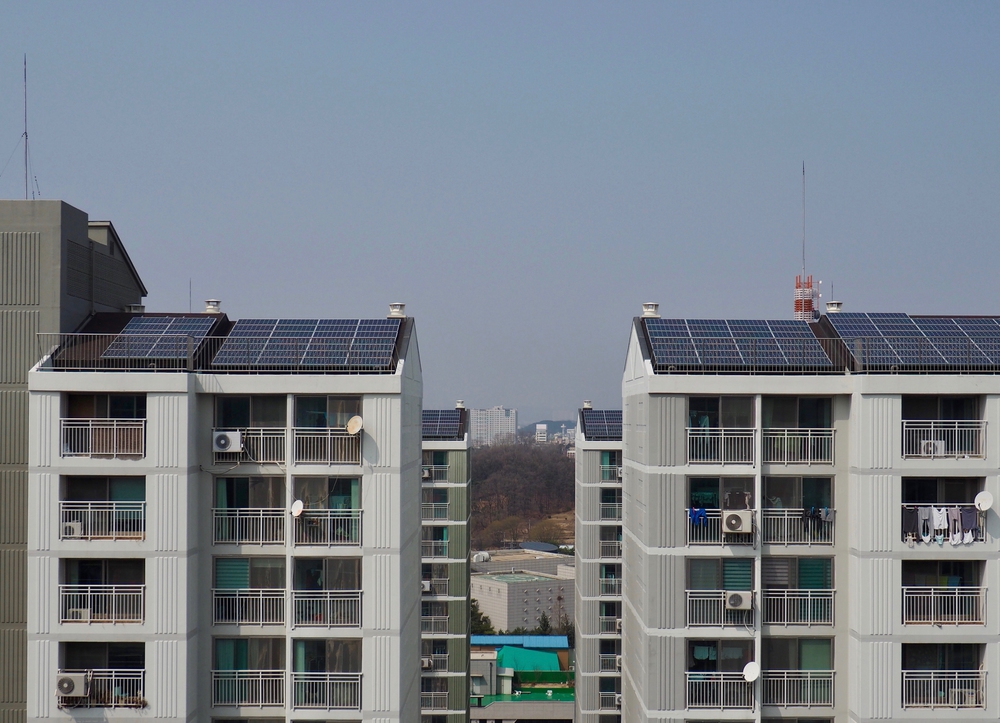
One of their key strategies for promoting sustainability is tapping into the city’s love of their natural spaces. The city is located near the wilderness of the Ozarks, so they collaborated with Ozark Electrical Cooperative and Today’s Power Inc. to install $23 million worth of solar arrays and battery storage. The green power source is saving citizens money in the long run.
In terms of transportation, the city has improved bike lanes, subsidized public transportation, and instituted a bike-share program. By 2040, the city wants to provide trail access within a half-mile of 97 percent of the city’s homes.
The transition has not been all easy going. The city is expanding rapidly which poses problems in terms of wildlife habitat and biodiversity conservation. The city is turning toward smart city planning. It has pushed more density and prioritized infill, encouraging residents to live closer to the city center for transportation ease.
Big cities usually dominate the landscape of climate resilience news, but small city actions are also vital for promoting climate change preparedness and mitigation on the local level. Fayetteville is on the front lines of climate resilience, even in a red state, showing that a green mindset and climate-forward urban planning policies are possible regardless of the political party or geographic location.