Bacteria are known to live on surfaces for days, making it really easy for them to spread from one place to the other with the help of humans. But what if frequently touched surfaces such as doorknobs could instantly kill them off?
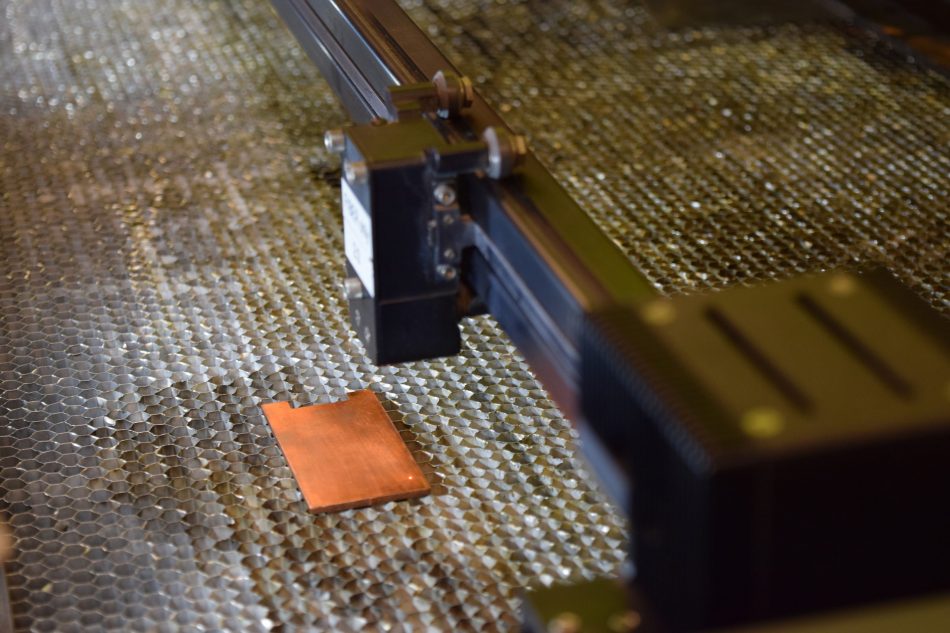
Well, that may soon be possible thanks to Purdue University engineers who have created a laser treatment method that could potentially turn any metal surface into a rapid bacteria killer – just by giving the metal’s surface a different texture.
In a new study, the scientists demonstrated that this technique allows the surface of copper to immediately kill off superbugs such as MRSA. And while copper is already known for having great antimicrobial properties, it typically takes hours for brass surfaces to kill off the bugs.
The new laser technique, however, can effectively enhance these bacteria-killing properties, by creating nanoscale patterns on the metal’s surface. The patterns produce a rugged texture that increases surface area, allowing more opportunity for bacteria to hit the surface and rupture in one spot. Metals such as copper normally have a really smooth surface, which makes it difficult for the metal to kill bacteria by contact.
The research team has begun testing this technology on the surfaces of other metals and polymers used to reduce risks of bacterial growth and biofilm formation on devices such as orthopedic implants or wearable patches for chronic wounds.
Giving implants an antimicrobial surface would prevent the spread of infection and antibiotic resistance because there wouldn’t be a need for antibiotics to kill off bacteria from an implant’s surface.
Due to the simplicity and scalability of the technique, the researchers believe that it could easily translate into existing medical device manufacturing processes.