BY THE OPTIMIST DAILY EDITORIAL TEAM
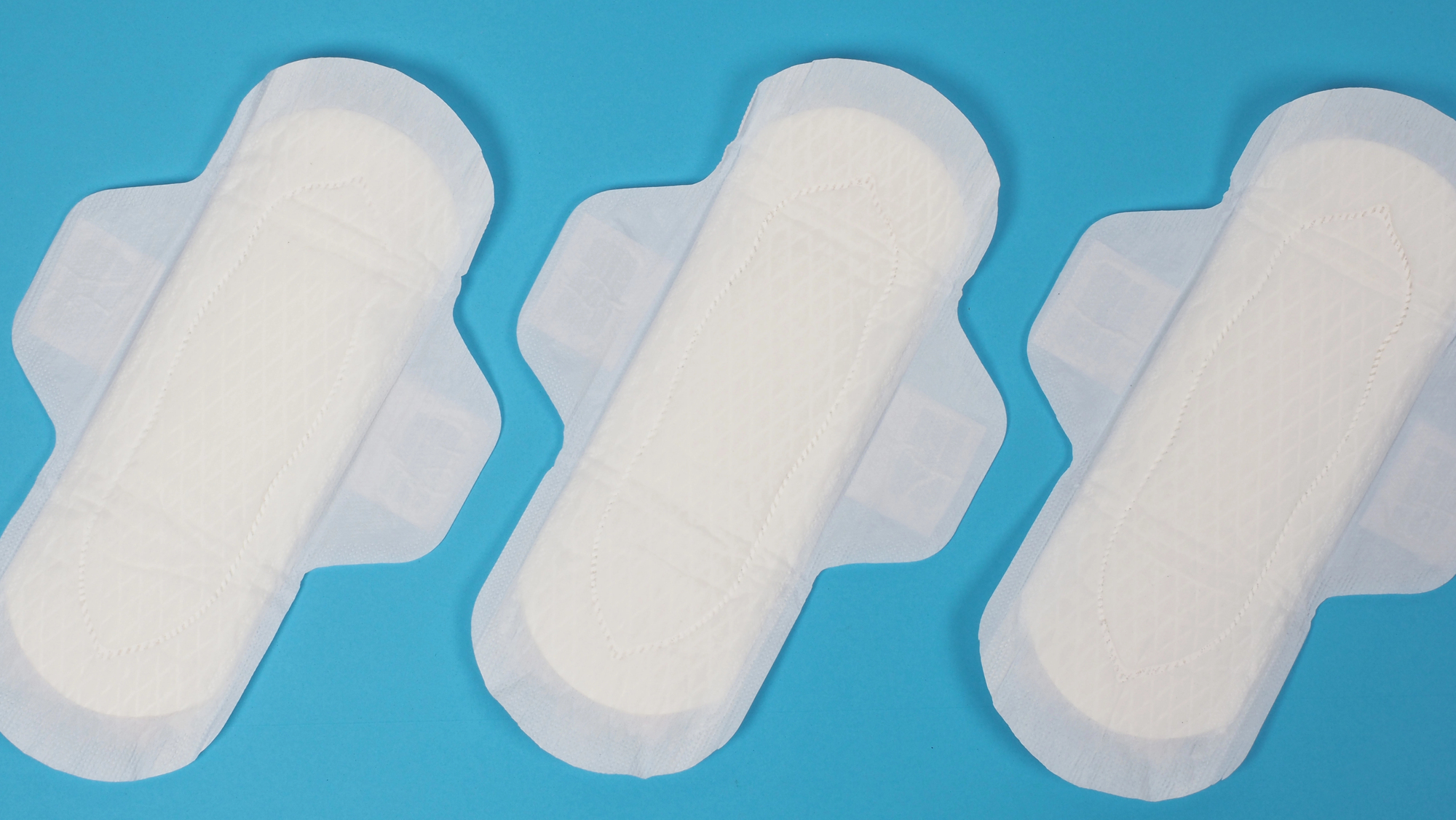
Two lawyers filed a court case. Thousands signed a petition. Pakistan just agreed to scrap its sales tax on period products.
Finance Minister Muhammad Aurangzeb announced the move this month, calling sanitary products “daily necessities that are indispensable for women’s health, dignity and full participation in social activities.” The decision follows a legal challenge filed last year by Mahnoor Omer, 25, and Ahsan Jehangir Khan, 29, who argued the charges were a discriminatory “pink tax” on women. Their petition gathered thousands of signatures and turned into a real public conversation online.
What the taxes cost in practice
Pakistan levies an 18 percent sales tax on locally made period products. Imported items face an additional 25 percent customs charge on top of that. Those rates have pushed commercial menstrual products out of reach for most women in the country. According to UNICEF research, only a minority use them. Most rely on cloth or homemade alternatives, which carry higher infection risks.
The real win may be cultural
Removing the sales tax won’t immediately change much of that. A price drop won’t reach women priced out by income, geography, or simply not having a nearby store. But there’s a different argument for why this matters.
Bushra Mahnoor, executive director of Mahwari Justice, a Pakistani period rights organization, told CNN the most valuable effect of the tax change may be what it says out loud: that menstruation is a health matter, not a private embarrassment.
“Menstrual justice also means access to clean water, sanitation facilities, accurate menstrual education and a society free from period stigma,” she said. “This moment is significant, but our work is far from over.”
UN Women called menstrual health a question of “health, dignity and equality, not a luxury,” and said the change would help women stay employed and girls stay in school.
What comes next
Omer welcomed the announcement and made clear the campaign would keep pushing on the remaining charges, including customs duties on imported products. The sales tax is one piece; she and her co-counsel are already working on the rest.
The government also announced it will scrap the 18 percent sales tax on contraceptives. Aurangzeb linked the move to population growth, calling family planning “a top priority” and noting Pakistan ranks fifth globally by population size.
The tax change is on the books. Getting it to translate into actual access for the women who need it most is the work that’s still ahead.
Did this solution stand out? Share it with a friend or support our mission by becoming an Emissary.