


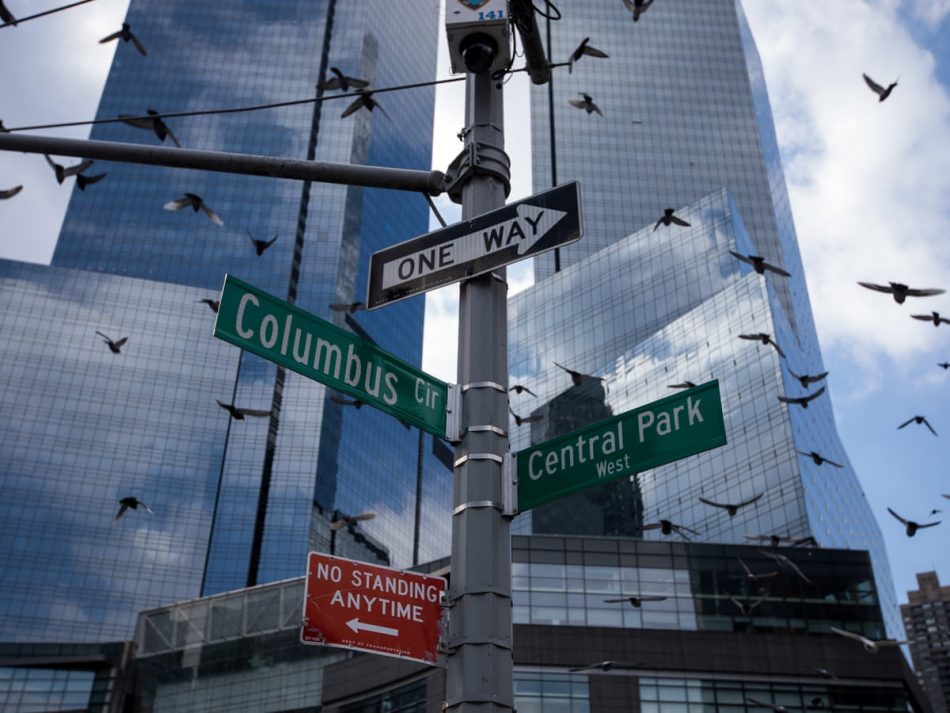
Birds, often migratory ones, are known to fly into the reflective facades of glass buildings. In fact, the Cornell Lab of Ornithology estimates almost one billion birds are killed annually from collisions with buildings in the US.
In order to protect birds from this fate, the US House of Representatives has passed the Bird-Safe Buildings Act. The bill calls for bird-friendly materials to be used for new federal buildings, which include local offices and government departments. It would also affect public structures being renovated when more than half of the facade is changed. Minimizing the amount of glass on lower levels and preventing transparent passageways and corners are among the bird-safe modifications in the legislation.
The bill will now be introduced in the Senate where it needs a two-thirds majority to become law. Last year, we saw a similar bill be passed in New York that changed the city’s building code by adding requirements to make new glass structures safer for migratory birds.
Last week, we shared a story about how shutdowns have saved millions of animals on US roadways. This is another great solution for saving vulnerable bird populations from human-created dangers.






