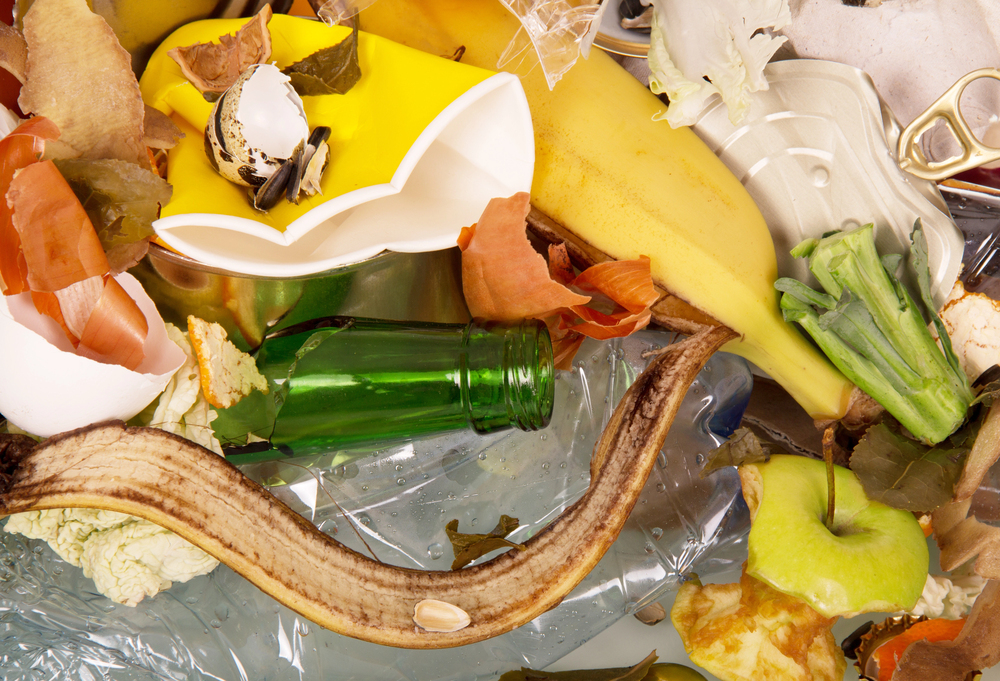
According to estimates, the state of New York is responsible for about 7.8 billion pounds of food waste every year. That’s equivalent in weight to over 17,000 Statues of Liberty. In a bid to curb the humongous amount of organic waste that ends up in landfills, the state has recently joined the likes of California, Connecticut, Massachusetts, Rhode Island, and Vermont, to require its largest generators of food waste to donate excess food or recycle food waste.
The new law, dubbed the Food Donation and Food Scraps Recycling Law, took effect as of January 1st. It requires businesses and institutions that generate an average of two tons of food waste per week to donate edible food and recycle any food scraps, given that they are located 25 miles from a facility that can process the waste.
Such legislation, together with other prevention initiatives that follow the Environmental Protection Agency’s Food Recovery Hierarchy, can have multiple environmental, social, and economic benefits.
What is the Food Recovery Hierarchy?
The hierarchy prioritizes preventing food waste in the first place and donating excess food to those who need it. It then moves towards diverting food scraps to animal food, thus reducing environmental and economic costs of producing animal feed. Next, the focus shifts towards using food waste for fuel conversion or energy recovery, as well as composting. Finally, the least preferred option is to send the waste to landfills or incinerators.
A similar law in Vermont tripled food donations in the state from 2014 to 2017, painting a promising picture of the new legislation in New York. Additional food waste prevention and management laws are now also in progress in other states.