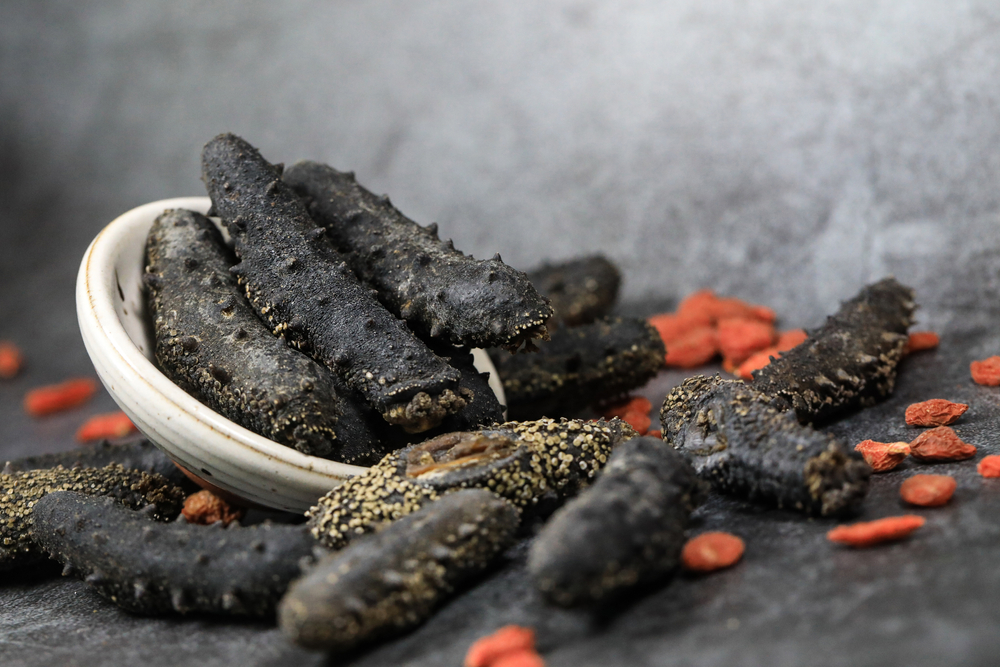
Inhabitants of Asian countries have long recognized the sea cucumber’s extraordinary health advantages. The medicinal benefits of these gelatinous underwater dwellers certainly sparked our interest. Now, researchers from the University of South Australia discovered that sea cucumbers may potentially prevent type 2 diabetes and mitigate its complications.
Sea cucumbers: More than slimy underwater creatures
Sea cucumbers are no longer perceived as insignificant organisms beneath the sea. On top of their role in keeping coral reefs healthy (which we wrote about here), these squishy delights have an extended range of health benefits, including blood thinning and blood pressure reduction, as well as anti-inflammatory, antioxidant, anti-cancer, and wound-healing capabilities.
The researchers focused on glycation to examine the active compounds in sea cucumbers that could treat type 2 diabetes. Glycation is an infamous process in which proteins and lipids interact with glucose, resulting in the creation of damaging advanced glycation end products (AGEs). AGE buildup has been related to a variety of ailments, including heart disease, kidney failure, and Alzheimer’s. Diabetes patients are especially vulnerable to an excess of AGEs.
Superpowers unleashed
The researchers resorted to Holothuria scabra, also known as the sandfish sea cucumber, in their search for answers. They used three procedures to prepare the sea cucumbers: sun-drying without salt, sun-drying with salt, and sun-drying followed by smoking. The sea cucumbers were then powdered, and collagen was removed and added to each concoction.
The sun-dried, salted sea cucumber mixed with collagen inhibited AGEs the most effectively. The study discovered that the preparation procedure is critical in unlocking the therapeutic qualities of sea cucumbers.
A diabetes-resistant delight
According to lead researcher Permal Deo, “processed dried sea cucumber with salt extracts and collagen can significantly inhibit AGEs, lowering sugar-related metabolites and reducing the risk of diabetes.” These findings provide persuasive evidence that sea cucumbers could be transformed into functional food products to aid in the prevention and treatment of diabetes and its consequences.
According to Diabetes Australia, maintaining a healthy weight, remaining physically active, and eating a nutritious diet can prevent or delay up to 58 percent of type 2 diabetes diagnoses. According to the researchers, Holothuria scabra could be a promising natural source of antioxidant and antiglycation chemicals, providing a delightful way to prevent the onset of type 2 diabetes.
So, plunge into the slimy depths and discover the potential of sea cucumbers as a slippery superfood, treating diabetes and providing a fresh spin on healthy living.
Source study: Institute of Food Science and Technology— Holothuria scalar Jaegar (Sandfish) extracts and collagens modulate protein-bound Nε-carboxymethyllysine, Nε-carboxyethyllysine and methylglyoxal-derived hydroimidazolone-1 levels