


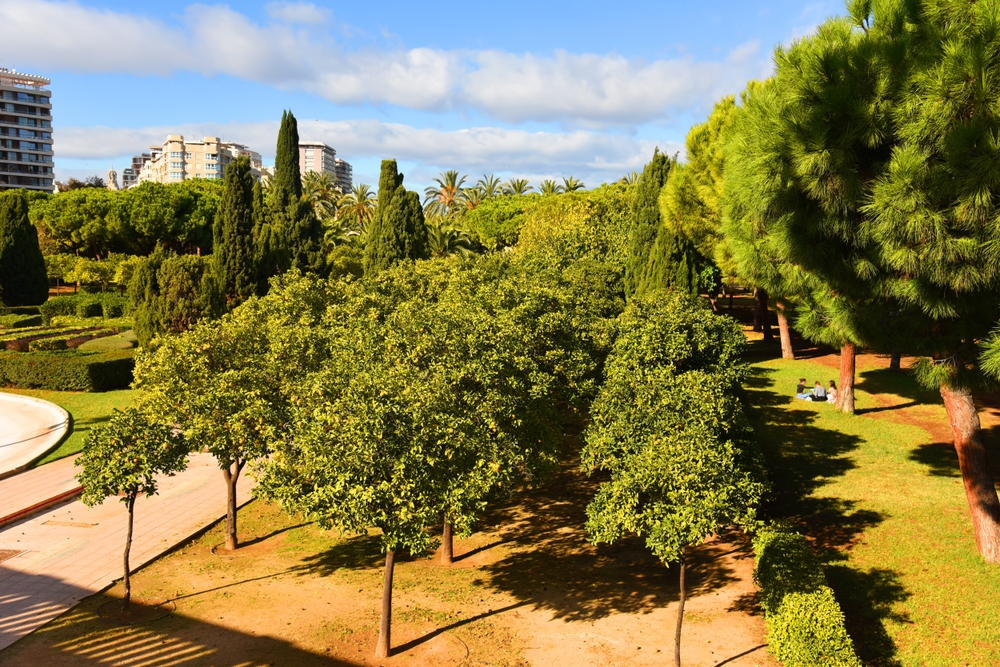
Secretary of Agriculture Tom Vilsack of the United States presented a game-changing plan to address record-breaking heatwaves and climate change. This effort, which will receive $1.13 billion in competitive funding, aims to plant trees in metropolitan areas across all 50 states, Washington, DC, and numerous U.S. Territories and Tribal Nations. These urban forests will not only give relief from intense heat, but will also provide other community advantages.
Cooling our cities: The importance of urban forests
Vilsack emphasizes the pressing issue in a statement, saying, “These investments arrive as cities across the country experience record-breaking heatwaves that have grave impacts on public health, energy consumption, and overall well-being.” This money, made possible by Inflation Reduction Act investments, is a crucial step toward increasing climate resilience and strengthening local economies.
Urban woods are critical in minimizing the negative effects of climate change. According to U.S. Environmental Protection Agency research, places with tree cover are 2.9 degrees Fahrenheit colder than treeless ones. The effort aims to prevent excessive heat events in cities by enhancing the urban tree canopy.
Secretary Vilsack sees a good outcome, saying, “We believe we can construct more resilient communities in terms of climate impacts… We believe we can reduce high heat incidents and events in many cities.” Exposure to trees has been associated to stress reduction, improved mood, lower blood pressure, greater physical activity, and improved immune system functioning, in addition to temperature management.
A holistic approach to climate resilience
While urban tree planting is an effective option, it is critical to appreciate its role within a larger climate strategy. Recent analyses warn against over-reliance on tree planting alone, emphasizing the necessity for complementing activities to effectively mitigate climate change.
The winning plans, on the other hand, constitute a big step forward, as they offer to improve green spaces and promote fair access to nature in urban areas. According to John Podesta, senior advisor to the president for clean energy innovation and implementation, “Today’s landmark funding from the U.S. Forest Service will increase urban access to nature, improve air quality, keep city streets cool during sweltering summers, tackle the climate crisis, and create safer, healthier communities in every corner of America.”
The $1.13 billion investment in urban tree planting initiatives indicates the government’s strong commitment to tackle the challenges posed by severe heat and climate change. These projects not only keep our cities cool, but they also provide other health, environmental, and community advantages.
While tree planting is a powerful solution, it must be integrated into a broader strategy to effectively prevent climate change. We take a huge step toward establishing healthier and more resilient communities across the country by leveraging nature’s cooling power and fostering fair access to green spaces.






