


BY THE OPTIMIST DAILY EDITORIAL TEAM
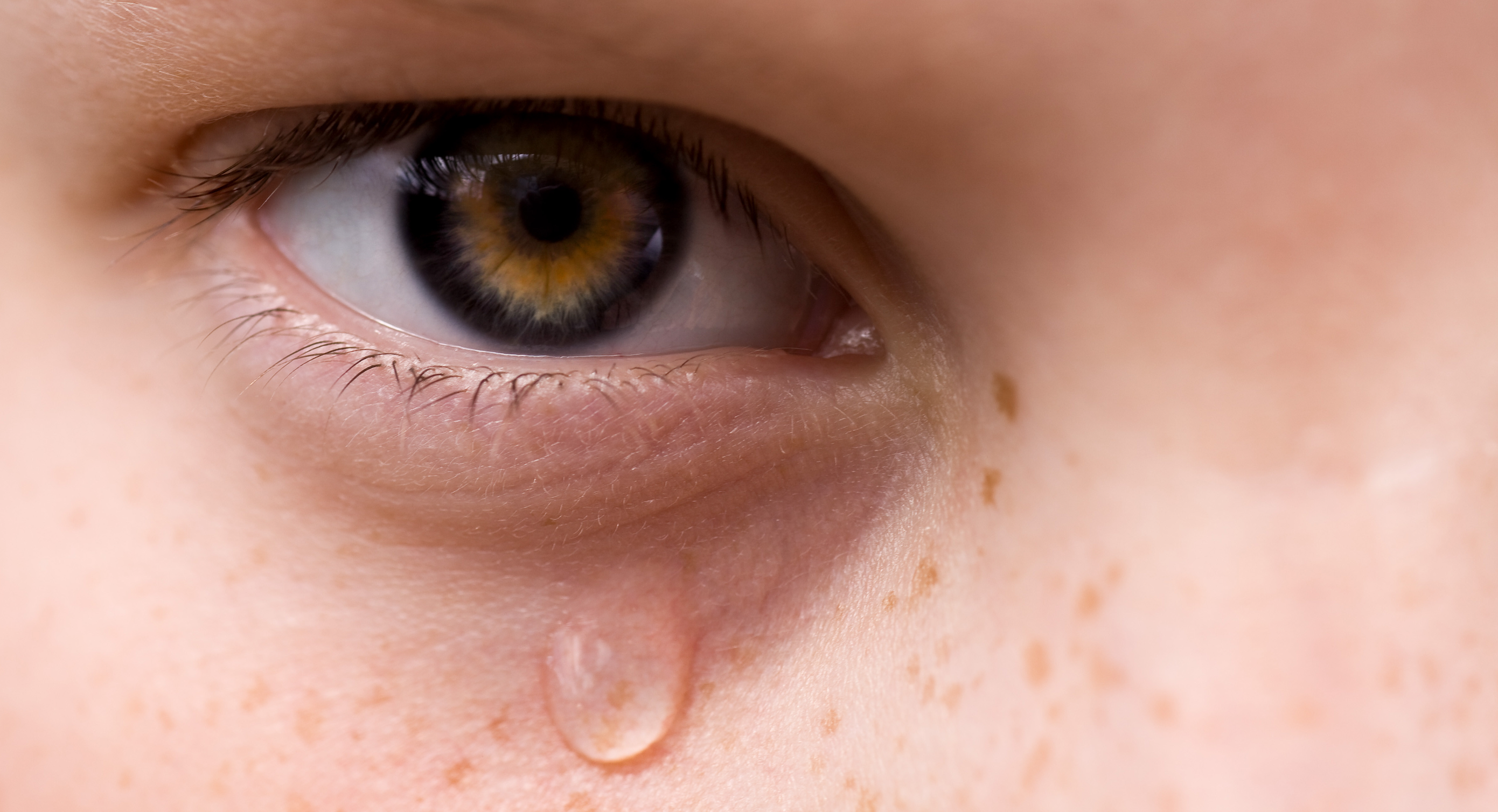
Tears, from infancy to adulthood, serve as a universal emotional language. According to licensed marriage and family therapist Naomi Levine, “Crying for babies is both self-soothing and it’s also a communicator to the people around them that there’s a need that’s not being met.”This fundamental activity endures throughout life, providing a means to express and process complicated emotions.
As we grow older, cultural conventions alter our attitudes toward crying, with considerable disparities between genders. While women cry emotional tears 30 to 64 times each year, men cry much less regularly, averaging 5 to 17 times. This mismatch reflects societal expectations and standards around emotional expressiveness.
The healing power of tears: what happens when we weep
As Dr. Sarah Bonza, M.D., a physician with 20 years of experience and founder of Bonza Health, puts it: “A good cry releases oxytocin and endorphins, promoting feelings of bonding and reducing emotional and physical pain.” Emotional tears activate the parasympathetic nervous system, causing a sensation of calm.
Crying is also a natural stress reliever, helping to regulate emotions and restore homeostasis. This emotional release can be especially helpful at times of high tension or hardship, allowing people to absorb and cope with difficult situations.
The chemistry of emotional release: examining the chemical composition of tears
Aside from their emotional value, tears include a complex mixture of electrolytes, enzymes, and hormones. Early study reveals that emotional tears may contain increased levels of proteins and minerals, such as manganese, that help regulate the body’s functioning.
While the specific mechanisms underpinning crying’s therapeutic effects are still being investigated, the existence of these biological components suggests that tears may have special healing capabilities.
Nurturing your well-being: how crying can soothe the soul
“Crying can decrease blood pressure, promote cardiovascular health, and boost the immune system,” says Dr. Bonza. This holistic approach to emotional release promotes balance and resilience in the face of stress and hardship.
Furthermore, crying promotes emotional connection and social bonding, especially when done with supportive people. Crying together, whether for joy or grief, can strengthen interpersonal relationships and increase empathy and compassion.
Embracing emotional release: leveraging the therapeutic potential of tears
While the frequency of crying varies by individual, it is an important coping tool for many people. According to Levine, “Crying is a sign of being in tune with yourself and your environment.” Individuals who embrace emotional discharge might develop better self-awareness and inner calm.
Recognizing the numerous benefits of crying emphasizes its significance as a natural and adaptive habit. Instead of hiding or stigmatizing tears, encouraging emotional expression can help people negotiate life’s challenges with resilience and authenticity.
The next time you feel the need to cry, remember that crying is more than just a biological reaction; it is also a potent instrument for emotional healing and well-being.
Did this solution stand out? Share it with a friend or support our mission by becoming an Emissary.






