BY THE OPTIMIST DAILY EDITORIAL TEAM
Eating fruits and vegetables regularly is a terrific way to nourish your body, but before you start, make sure to wash them properly. Fresh produce frequently carries more than simply dirt; it may also contain bacteria, fungi, and pesticide residue. Even while we often focus on the dangers of raw meat and seafood, fruits and vegetables can also cause food-borne illnesses if not properly cleansed.
Whether your produce comes from an outdoor garden or a greenhouse, washing it is essential for keeping your meals safe and wholesome. Washing fruits and vegetables not only removes visual dirt but also reduces the amount of hazardous germs, making them safer to eat.
Gentle and effective washing techniques
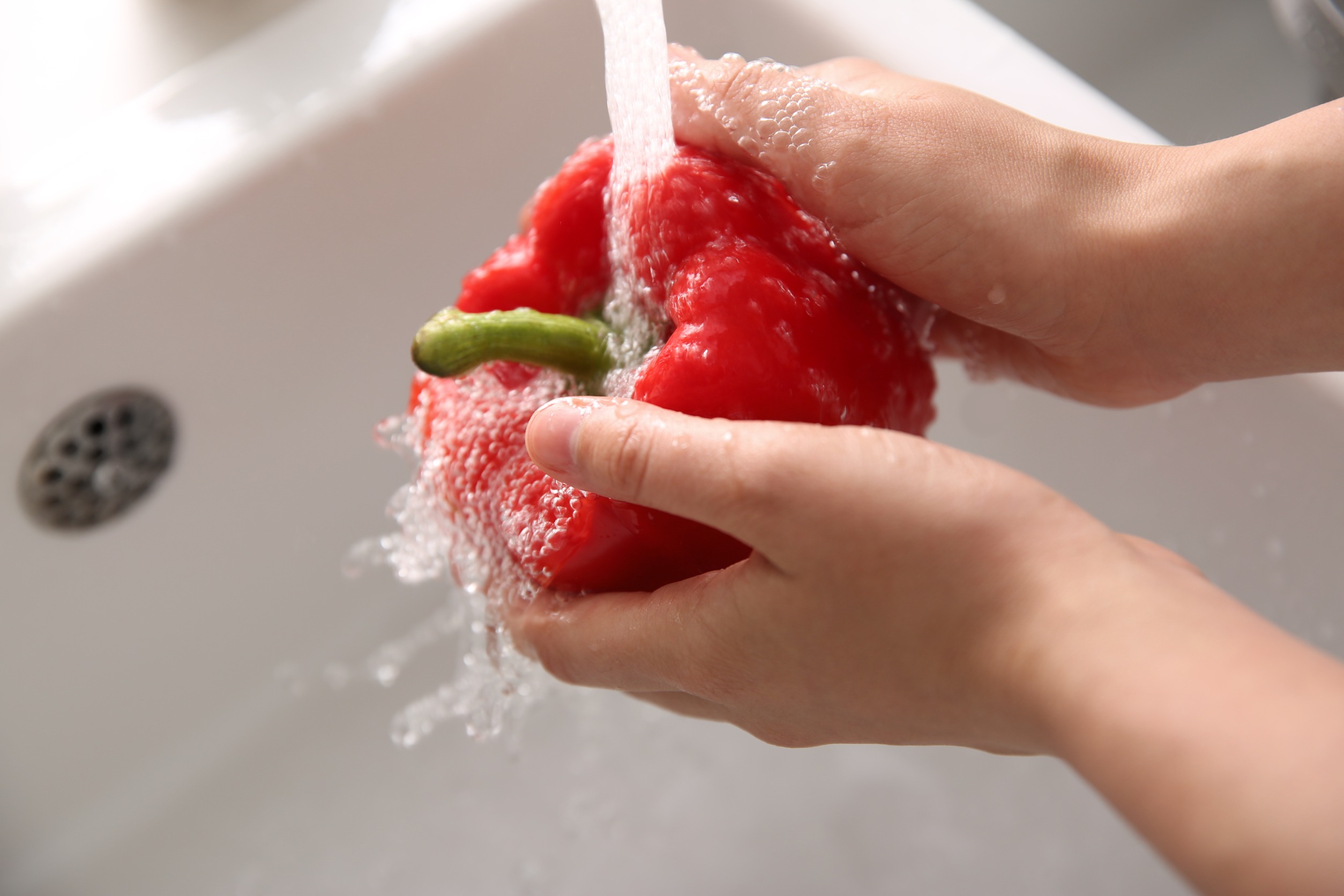
Rinsing your fruits and veggies with cold, running water is the simplest and most effective way to clean them. Start by washing your hands to avoid introducing germs to the food. Gently rub each item as you rinse to remove dirt, surface microorganisms, and pesticide residues. This procedure works with most varieties of produce and has no influence on their taste or texture.
If you would rather soak your food, use a clean bowl instead of the sink, which can be a breeding ground for bacteria. Remember to avoid using soap, detergent, or bleach, as some fruits and vegetables might absorb these chemicals and become dangerous to consume.
Using natural cleaners: vinegar and baking soda
While water alone is pretty effective, some people choose to use natural cleaners such as vinegar or baking soda for an extra level of cleanliness. A vinegar solution (half a cup vinegar to one cup water) will help decrease bacteria and pesticide residues. Soak your vegetables for two to three minutes, then thoroughly rinse with cold water to avoid affecting the flavor.
Baking soda is another gentle alternative. A teaspoon of baking soda per cup of water can help eliminate chemicals and microorganisms. Soak for approximately 15 minutes, stirring occasionally. This is especially effective for tougher fruits and vegetables, but be careful not to soak delicate foods for too long, since this can damage their texture.
Tailoring your approach
Because not all fruits and vegetables are the same, you must adjust your cleaning process to each one. A vegetable brush works effectively for removing dirt and pollutants from hard-skinned vegetables such as potatoes and squash. Softer produce, such as tomatoes or grapes, should be gently rinsed under running water and rubbed with your hands.
Before washing, separate leafy greens like lettuce, kale, and broccoli into individual leaves or florets. Rinse each piece with cold water, giving specific attention to areas where dirt and germs may hide. Because lettuce is frequently eaten raw, it’s a good idea to remove any damaged outer leaves that may harbor bacteria.
Washing fruits with a high water content, such as berries, is best done immediately before you’re about to eat them. This prevents mold formation and keeps them fresher for longer. After washing, dry your vegetables with a paper towel or a salad spinner to eliminate extra moisture, which will help it last longer.
How to store clean produce for freshness
Once your fruits and veggies are clean, appropriate storage is essential to keeping them fresh. Dry them thoroughly before storing them in a covered jar in the refrigerator. This slows the growth of germs and keeps your vegetables fresh and flavorful. To avoid cross-contamination while making food, clean your kitchen surfaces, utensils, and sinks regularly.
While washing your produce lessens the risk of foodborne disease, keep in mind that no method can entirely eliminate bacteria. To ensure extra safety, boil your fruits and veggies to at least 60 degrees Celsius (140 degrees Fahrenheit) to eliminate any leftover bacteria.