BY THE OPTIMIST DAILY EDITORIAL TEAM
According to a new study, young corals generated via IVF and put on several Caribbean reefs fared considerably better than older, naturally occurring corals during the region’s most recent marine heatwave. The study found that 90 percent of these young IVF-bred corals remained healthy, but older corals struggled, with just 25 percent avoiding bleaching during the heat wave.
Young IVF corals outlast older colonies
Scientists from Secore International, a reef conservation organization, conducted the investigation that yielded these revolutionary results. Dr. Margaret Miller, the study’s lead author and research director at Secore, explained the significance of the findings: “It was a horrible time [during the heatwave]. But I was impressed and surprised that the data came out with such an extreme pattern.”
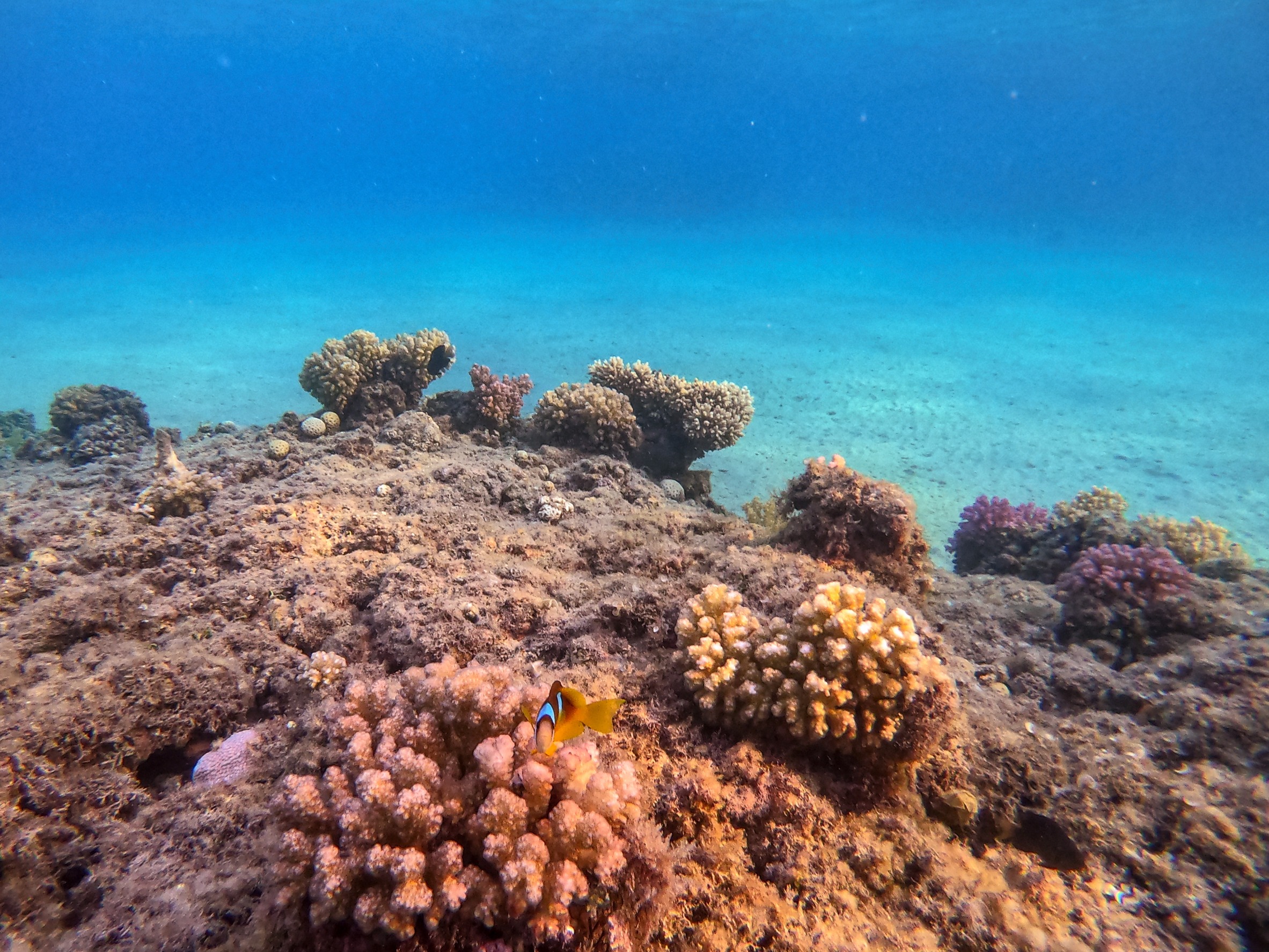
The study focused on elkhorn corals (Acropora palmata) in reefs off Mexico, the Dominican Republic, the United States Virgin Islands, and Dutch Caribbean territories like Bonaire and Curaçao. The juvenile corals, which were bred over the last five years, were able to retain the symbiotic algae that provide them with crucial nutrients, unlike older corals, which expelled their algae and became white—a process known as bleaching.
IVF: new hope for coral restoration
Traditional coral restoration approaches frequently entail fragmentation, which is the process of breaking corals into pieces and transplanting them to other locations. However, this strategy results in genetic clones and does little to increase the genetic variety required for coral resilience in warmer oceans. In contrast, Secore’s IVF promotes genetic variety. Divers collect coral spawn, which is then fertilized in a laboratory. The resulting juvenile corals are put into reefs and form new colonies.
“Natural selection back in the reef environment will choose the best ones,” Miller said, explaining how enhanced genetic variety provides these corals a better chance of survival and adaptation to rising temperatures.
Why are younger corals more resilient?
One of the fundamental questions that experts are investigating is why young IVF corals are more heat tolerant than their older relatives. One possibility is that juvenile corals have a better chance of acquiring heat-tolerant symbiotic algae. According to Miller, juvenile corals are “quite exploratory” in their early stages and may experiment with various varieties of algae, some of which are better able to endure heat stress.
While this flexibility provides promise, it is unknown if these corals will maintain their resilience as they age. Previous studies reveal that as corals age, they may become more susceptible to heat stress.
Heatwaves are the new normal
Coral bleaching episodes are becoming more frequent as a result of global climate change. For the past six years, Australia has had a big bleaching episode about every other year. Bleaching events in the Caribbean now occur every five years or so. As temperatures rise, corals, young and old, become increasingly vulnerable to these catastrophes.
The implications are grave. Even if corals survive a bleaching episode, their reproductive capabilities are sometimes impaired for years, restricting their capacity to recover and repopulate reefs.
A race against time
Dr. Miller noted that, while efforts such as IVF coral propagation are important, they are not a long-term answer in the absence of greater climate action. “So now that the intervals between these heat waves have become so short, coral propagation alone is unlikely to change the fate of these populations,” she pointed out. “We need to address the underlying causes of global climate change. But I think it’s important that we’re supplementing coral populations in the meantime because it might be able to buy us some time.”
This study provides a glimmer of hope for coral reefs, which are critical to marine ecosystems but are becoming increasingly endangered owing to climate change. Scientists are working to protect ecosystems for future generations by developing new solutions such as coral IVF and addressing global climate change