BY THE OPTIMIST DAILY EDITORIAL TEAM
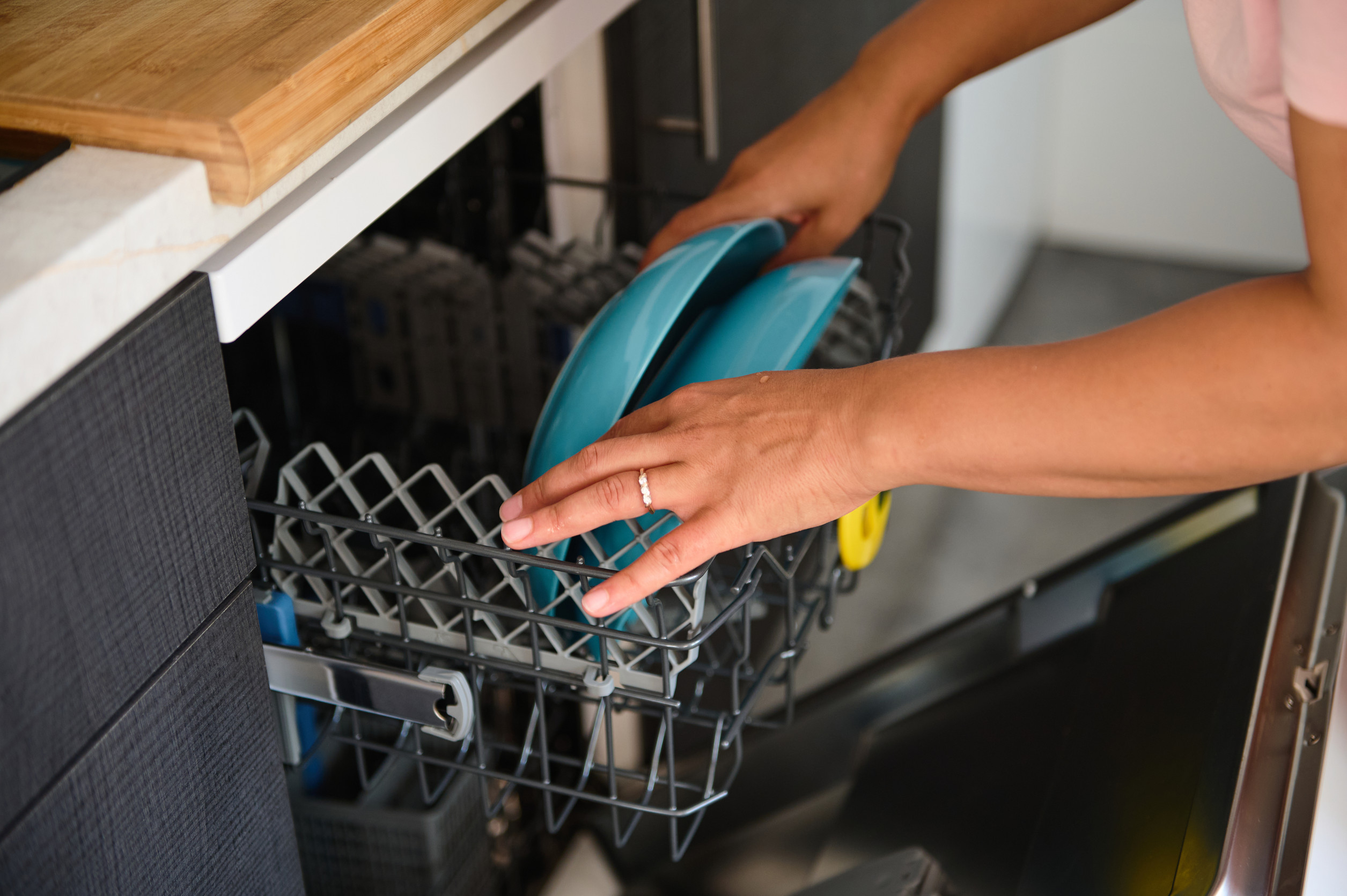
Doing your part for the environment often feels like more work — biking instead of driving, composting scraps, giving up fast fashion. But what if we told you that one of the easiest ways to go green… is to do less? Enter: the dishwasher.
Yes, that unglamorous appliance humming in your kitchen might just be the eco-hero we’ve all been ignoring. Using a dishwasher isn’t just about convenience — it’s actually better for the planet and your peace of mind. Here’s the science.
Dishwashers vs. hand washing: a not-so-close contest
Let’s get one thing straight: dishwashers are, in most cases, way more energy and water-efficient than hand washing. Research out of the University of Michigan and published in Environmental Research Communications found that dishwashers used less than half the water and created less than half the greenhouse gas emissions compared to typical hand washing.
Sure, the study was done in partnership with Whirlpool (dishwasher manufacturers), but plenty of independent studies have backed up the claim: dishwashers win.
Here’s why: dishwashers recycle water throughout the cycle. They spray, drain, and refill — usually about three rounds. Meanwhile, most people washing by hand leave the hot tap running, which guzzles water and energy like it’s going out of style.
The researchers made a few recommendations for maximizing efficiency:
- Skip the rinse — seriously. Dishwashers have a rinse cycle for a reason.
- Scrape food into the trash instead of rinsing.
- Only run the dishwasher when it’s full.
- Turn off the heated dry cycle.
The worst way to hand wash (and how to fix it)
We’ve all done it: dishes under a steady stream of hot water, scrubbing and rinsing endlessly. According to the Michigan study, that classic method — lovingly called the “running tap” approach — is the least efficient dishwashing method tested.
Want to do better than your dishwasher? It’s possible, but only with a little strategy. A German study on global dishwashing habits recommends what’s called the double-sink method:
- No pre-rinsing.
- One sink (or basin) with hot soapy water for washing.
- A second basin with cold water for rinsing.
- No running water. Ever.
If you can pull that off without reaching for the faucet or gagging at grimy rinse water, congratulations — you’ve beaten the machine.
Germaphobes, rejoice: dishwashers are cleaner, too
Aside from saving water and energy, dishwashers also clean better. And by better, we mean they leave significantly fewer bacteria behind.
This has been known since a massive 1947 survey of 1,000 restaurants found machine-washed dishes had far less bacteria than hand-washed ones — especially in places where towels were used to dry the dishes. (Spoiler alert: towels are germy.)
Why? Because dishwashers crank the heat up way beyond what human hands can handle. That high-temp water is a germ-slaying powerhouse, making your forks and plates a lot more sterile than anything you’d wash in the sink.
Final verdict: push the button
If you care about the planet and your time, it’s time to let go of the guilt and embrace the dishwasher. It’s faster, greener, and cleaner — and it even lets you skip a few steps.
So the next time someone tries to praise hand-washing as more wholesome, remind them: saving the world doesn’t always require extra effort. Sometimes, it’s as easy as pressing “start.”