BY THE OPTIMIST DAILY EDITORIAL TEAM
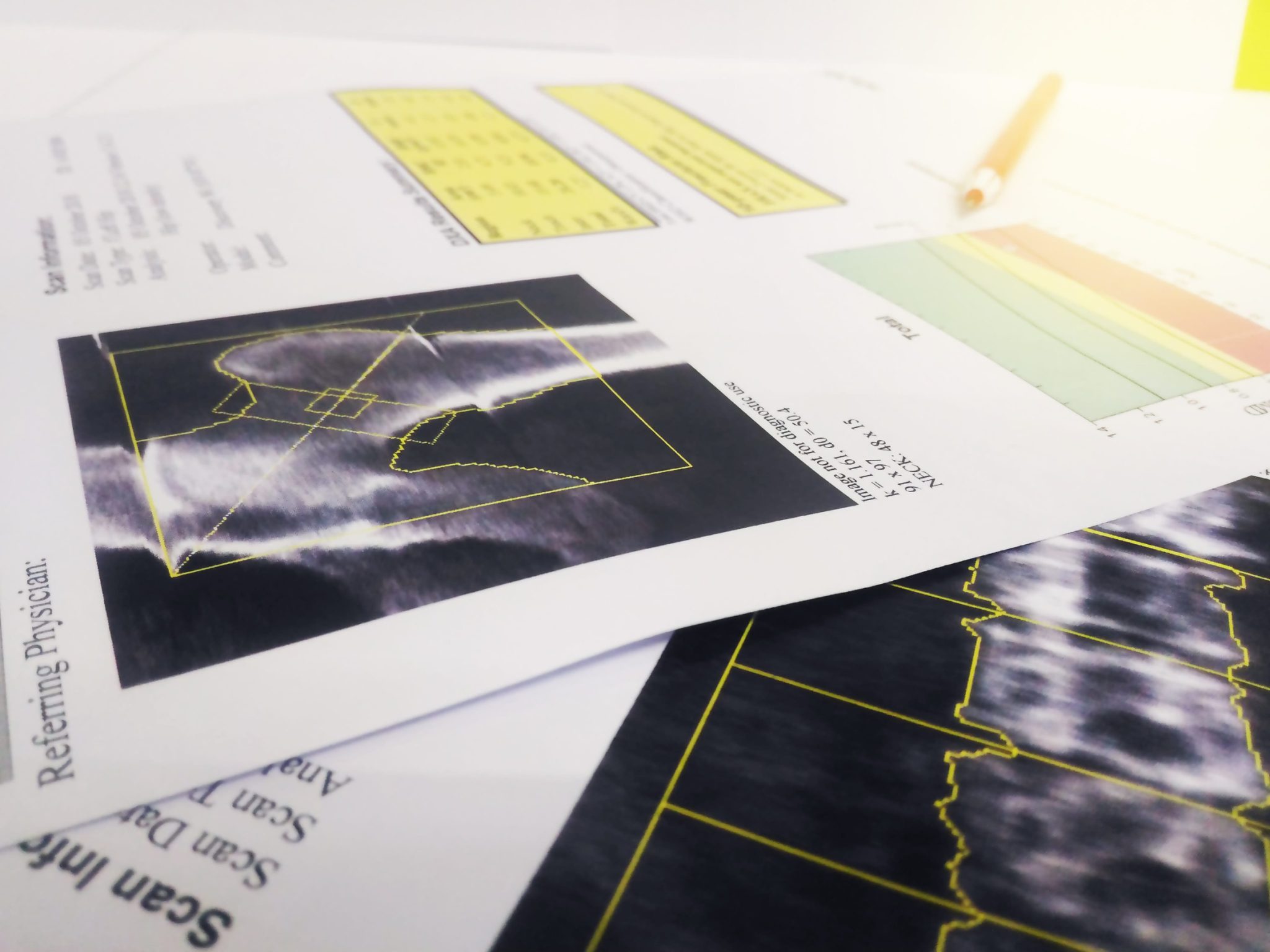
A study presented at the 2026 American Academy of Orthopaedic Surgeons annual meeting found that among nearly 147,000 adults with type 2 diabetes and obesity, GLP-1 use was associated with higher rates of osteoporosis, osteomalacia, and gout. The finding attracted a lot of attention, but the fine print matters here.
The study had not yet been peer reviewed. It was observational, meaning it identified a correlation between GLP-1 use and these conditions, not a causal link. It did not account for factors known to affect bone health, including exercise habits, nutrition, endocrine conditions, alcohol use, or family history. It also assumed that everyone listed as being prescribed a GLP-1 in their medical records was actually taking it, which is often not the case, given cost and supply barriers.
“While well-conducted observational studies can reveal a potential relationship between a medication and a clinical outcome, they cannot determine whether a medication directly causes that clinical outcome,” said Dr. Marci Laudenslager, an obesity medicine physician with The Johns Hopkins Healthful Eating, Activity and Weight Program. Exercise physiologist Kelyssa Hall of Hospital for Special Surgery added that the study “highlights the need for more research on these topics.”
Why weight loss, not the drug, is the likely driver
There is no sound scientific evidence, as of now, that GLP-1s directly cause bone loss. What the research does support is that significant, rapid weight loss, regardless of how it happens, can reduce bone density over time.
Bones respond to the load placed on them: when the skeleton carries more weight, bone formation increases. When weight drops quickly, that load decreases, and bone density can follow. “When you take GLP-1s, there can be rapid weight loss which means there is less load being carried around on the skeleton,” Hall said. “Bone formation or strengthening is improved with load to the skeletal system, so losing weight decreases the regular load on the bones overall.”
This applies equally to any method of major weight loss. Dr. Laudenslager noted that weight loss through lifestyle change, medications, or surgery all affect bone metabolism in similar ways. Changes seen in people taking GLP-1s appear to be “driven primarily by magnitude of weight loss rather than a direct, negative consequence of the medications themselves.”
What actually helps
For people currently taking GLP-1s, or weighing the option, several practical steps support bone health throughout the process.
Focus on strength
Strength training is the most evidence-backed approach. Resistance exercise has been shown to improve bone density and help guard against the muscle loss that often accompanies rapid weight loss. “Retaining muscle mass is important for strength and stability,” Hall said. Starting with two to three sessions per week, with at least a day of recovery between each, gives the body time to adapt without overdoing it.
Don’t skimp on protein
Protein intake plays a direct role in building and maintaining bone mass. The standard dietary recommendation for adults is 0.8 grams of protein per kilogram of body weight per day (approximately 0.36 grams per pound). Dr. Laudenslager suggests slightly higher amounts for older adults and postmenopausal women, who carry a greater risk of bone loss, and less for people with kidney disease.
Protein should form part of a balanced diet rather than displace other nutrients; fiber, healthy fats, and essential vitamins and minerals all remain important.
Slow and steady weight loss
Aiming for gradual weight loss also reduces stress on bone metabolism. A general target is losing five to ten percent of total body weight over roughly six months, which works out to around 0.5 to 2 pounds per week, depending on starting weight. If a GLP-1 is producing faster loss, a prescribing doctor can review and adjust dosing accordingly.
Eat enough
It is also worth making sure overall calorie intake is sufficient. The appetite suppression that GLP-1s can cause sometimes leads people to eat far too little. “Hunger is an essential hormonal cue we all need in order to sustain health,” Dr. Laudenslager said. A registered dietitian can help calibrate intake to what the body actually needs.
Bone loss is not an overnight process. “This means there are a wealth of opportunities throughout a person’s weight loss journey to prevent and treat bone loss early on if it’s detected through surveillance,” Dr. Laudenslager said. Anyone with bone health concerns while on a GLP-1 should raise them with their doctor. For this kind of nuanced management, Dr. Laudenslager recommends seeking out a board-certified obesity medicine physician; both the American Board of Obesity Medicine and the Obesity Action Coalition maintain directories for finding one.
Did this solution stand out? Share it with a friend or support our mission by becoming an Emissary.