BY THE OPTIMIST DAILY EDITORIAL TEAM
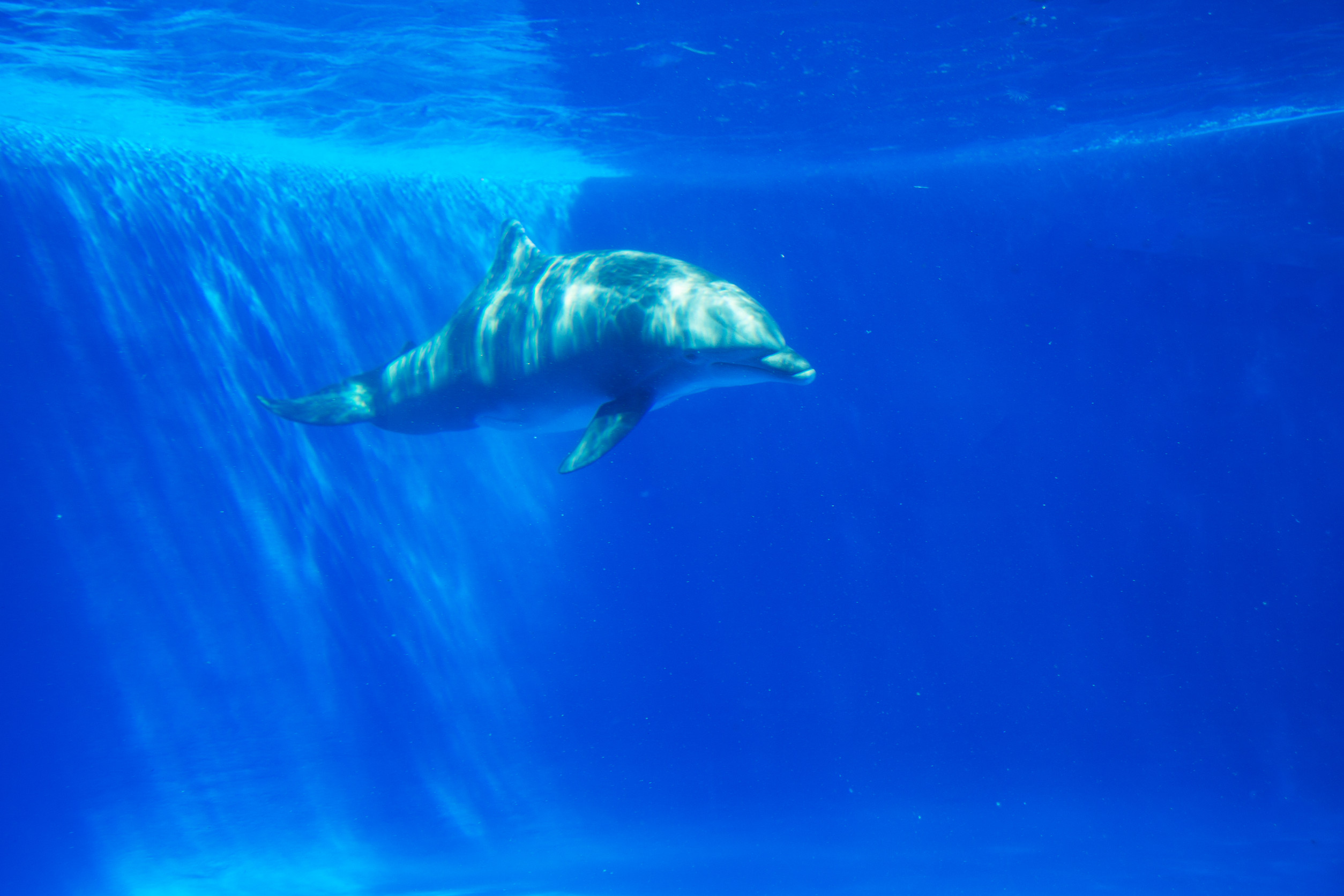
In a landmark move for animal welfare, the Mexican Senate voted unanimously to ban dolphin and other marine mammal shows across the country. The decision, passed 99 to 0 on June 23, marks the culmination of a years-long campaign led by activists, researchers, and concerned citizens to end the exploitation of marine mammals in entertainment.
The updated legislation amends Mexico’s General Wildlife Law to outlaw all “extractive exploitation” of marine mammals, with the exception of scientific research that has been reviewed and approved by the Secretariat of Environment and Natural Resources (Semarnat).
The vote follows the 2022 modification of the same law, which first targeted dolphinariums and marine shows, but was met with heavy resistance from industry operators. Now, after renewed scrutiny and growing public demand for reform, the full ban has finally taken effect.
What inspired the law
Public outrage reached new heights earlier this year following the resurfacing of a 2020 video showing Mincho, a dolphin performing at Barceló Maya Grand Resort in Quintana Roo, suffering a traumatic injury after landing on concrete during a jump. The footage, combined with subsequent reports of two other dolphin deaths at the same facility, galvanized national calls for change.
Nicknamed the “Mincho Law,” the new amendment also bans captive breeding of marine mammals, except in cases involving reintroduction into the wild. Mincho, who survived the incident, now lives with impaired vision—60 percent in one eye, zero in the other—but has been relocated to a different facility where he continues to receive care.
Stronger enforcement takes hold
Mexico’s Federal Attorney for Environmental Protection (Profepa) has stepped up its oversight, pledging to inspect all dolphinariums to ensure humane conditions. The crackdown began earlier this year, with Profepa suspending operations at the Barceló Maya location and ultimately issuing a fine of over 7.5 million pesos (roughly 395,000 USD).
This shift toward accountability reflects a broader change in public attitudes. As President Claudia Sheinbaum put it, “Animal abuse in particular is a reflection of what could later escalate in terms of violence.” By tackling this issue head-on, the government aims to set a precedent for compassionate care across all sectors.
What happens next for the dolphins
The law not only bans new shows but also mandates long-term humane care for the estimated 350 dolphins currently held in captivity across roughly 30 facilities in Mexico. Most are located in popular tourist destinations like Quintana Roo, with others in Guerrero, Veracruz, Baja California Sur, Nayarit, and Mexico City.
Environment officials have affirmed their commitment to monitoring all marine wildlife permits and maintaining pressure on dolphinariums to comply with ethical treatment standards. Groups like Empty the Tanks, which advocates for the end of marine mammal captivity, have applauded the legislation as a major victory.
While the road ahead involves continued enforcement and ongoing care for animals already in captivity, Mexico’s decision sends a clear message: marine life belongs in the ocean, not on a stage.