BY THE OPTIMIST DAILY EDITORIAL TEAM
If you ask a seasoned herbalist for a tea recommendation, chances are they won’t hand you a supermarket tea bag. While tea bags are convenient and widely available, many herbalists prefer loose-leaf tea. So the question remains: what is it truly better? With insights from clinical herbalist and author William Siff, LAc, let’s steep in the pros and cons of both.
The case for tea bags
Tea bags are a grocery store staple, prized for their simplicity. You’ll find everything from classic green tea to cozy vanilla chai, and blends that claim to support everything from sleep to digestion.
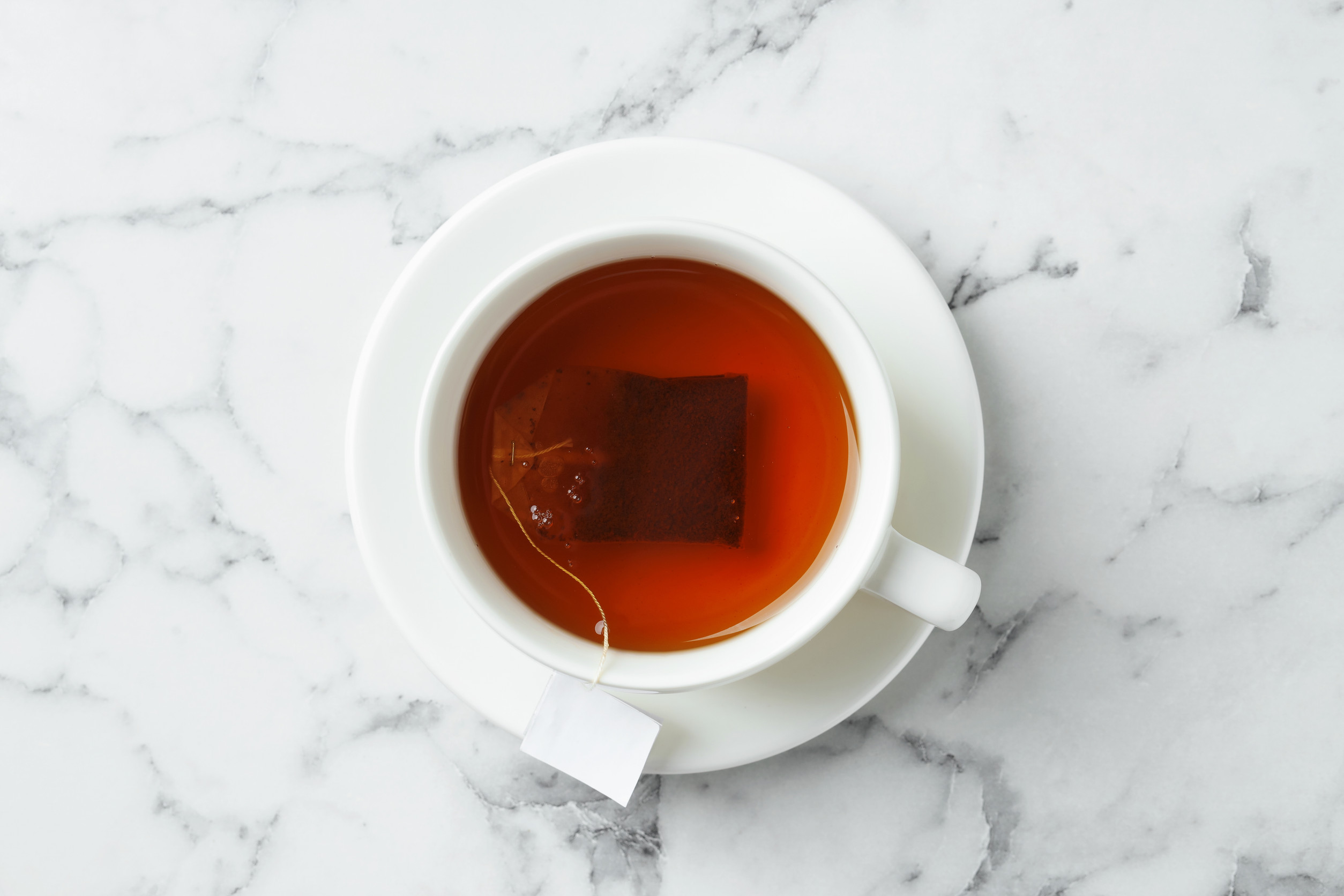
According to Siff, each bag usually contains 1.5 to 3 grams of herbs, sealed up with glue, staples, and sometimes a cheerful quote on a tag. While not fancy, they do get the job done, especially when you’re in a hurry.
Pros
- Convenient and portable: “Loose-leaf tea doesn’t travel as well, and the convenience of tea bags means that you can make a quicker cup,” Siff notes. This is a clear win for busy schedules and travel.
- Pre-blended and beginner-friendly: Commercial blends take the guesswork out of tea making, offering a simple option for those who don’t want to become overnight herbalists.
Cons
- Packaging waste: From cardboard boxes to individually wrapped bags, tea bags often come with a hefty environmental footprint. Some even contain microplastics.
- Lower herb dosage: Siff says one bag is fine for a light brew, but if you want a stronger, more therapeutic cup, multiple bags and a longer steeping time will do the trick.
The power of loose-leaf tea
Switching to loose-leaf can feel like stepping into a new world. From steep times to sourcing herbs there’s certainly more to learn, but the rewards are steep (pun intended).
Pros
- Richer flavor and freshness: “Taste comes with freshness,” Siff explains. Loose-leaf herbs are often less processed than tea bag contents, which are cut into tiny pieces that lose potency over time.
- More sustainable and affordable: Buying in bulk cuts packaging waste and can save money long term.
- Customizable: Want more flavor or benefits? With loose-leaf, you control the herb combinations and amounts.
- A meaningful hobby: Learning about herbs can become a calming, inspiring practice. Siff points out that herbalism offers mental health benefits and a sense of connection to nature.
Cons
- Storage space required: Airtight jars and dedicated shelf space are helpful for keeping herbs fresh.
- Harder to find: Not everyone lives near an apothecary. That said, reputable online sources make loose-leaf herbs more accessible than ever.
Which is better? It depends on your goals
If you want convenience and simplicity, tea bags may suit your needs perfectly. Just look for biodegradable bags and consider doubling up for stronger effects.
If flavor, freshness, and health benefits are what you’re after, loose-leaf tea is the way to go.
As Siff puts it, loose-leaf offers more medicinal potential: “If you’re looking for a more medicinal dosage, I recommend that you use two, three, or four bags,” he notes. With loose-leaf, that potency comes more naturally.
3 easy tips to start your loose-leaf journey
Thinking of making the switch? Here’s how to start:
- Choose ethical sources: Siff recommends fair trade options for both quality and sustainability. His go-to sources include Mountain Rose Herbs, Pacific Botanicals, and Starwest Botanicals.
- Invest in accessories: A travel mug with a built-in infuser or a simple tea strainer can make a big difference.
- Blend with purpose: Consider making general blends for systems you want to support regularly, like digestion or relaxation. You can learn through books, online courses, or herbalist consultations.
Loose-leaf tea offers a richer, more personalized experience—but tea bags win on convenience. Choose what fits your lifestyle, and feel free to do both. A cup of tea should bring comfort, not stress.