BY THE OPTIMIST DAILY EDITORIAL TEAM
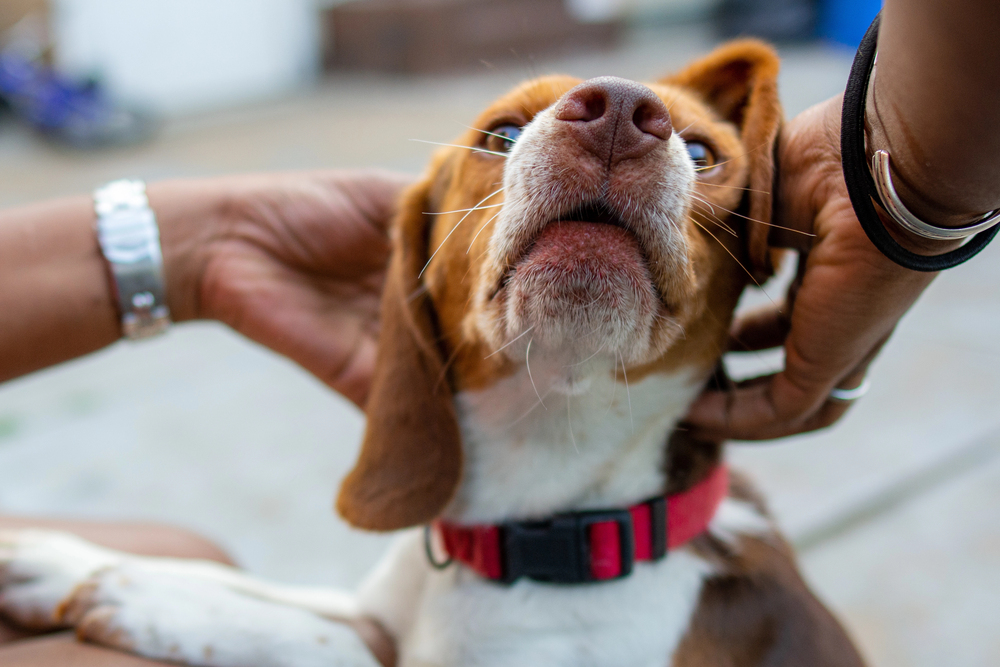
In the wake of a 2023 chemical train derailment in East Palestine, Ohio, residents were exposed to cancer-linked toxins. But as doctors monitor the long-term effects on humans, researchers are also turning their attention to another group: the town’s dogs. Because canine cancers progress more quickly, these four-legged companions could offer early clues about long-term health risks.
Researchers have long known that dogs share not only our homes and habits, but also our cancer risks. Now, new genetic and clinical studies are revealing that the similarities between canine and human cancers run even deeper. From similar mutation patterns to shared responses to therapies, dogs are proving to be a vital and heartwarming part of the future of oncology.
“Man’s best friend is man’s best biomedical friend,” said Matthew Breen, a geneticist at North Carolina State University. “It’s like having a mobile biosentinel organism that can help inform us about our own medical prospects over the next 25 years.”
From shared treatments to shared science
The overlap isn’t new. Drugs first tested in dogs have informed human therapies, and vice versa. For example, limb-sparing treatments for osteosarcoma were pioneered in veterinary medicine. But researchers are now going beyond one-off collaborations, using canine cancers as robust models for understanding human disease.
Unlike lab mice, dogs naturally develop cancer through complex biological processes. Over time, their cells accumulate mutations that mirror those in humans, including changes in tumor-suppressor genes like PTEN and regulators like NRAS. In a large genetic study, Elinor Karlsson of UMass Chan Medical School and her team analyzed more than 15,000 human tumors and over 400 canine tumors. The result: near-identical patterns of mutation in key cancer-driving genes, often in the same regions.
“Genetically, in terms of what’s driving cancers, it’s basically the same genes in dogs and humans,” Karlsson said.
That insight is already transforming cancer care. California-based company FidoCure analyzed more than 1,000 canine cancer cases and found that dogs with specific genetic mutations survived longer when treated with targeted human drugs. It’s a win for the dogs and a roadmap for improving therapies for people.
Speeding up discoveries
One big advantage? Time. Cancer progresses more rapidly in dogs, so clinical trials deliver answers in months or years instead of decades. Douglas Thamm, a veterinary oncologist at Colorado State University, said that’s what made it feasible to test a preventive cancer vaccine in dogs, something that would be prohibitively long and expensive in humans.
Thamm and his colleagues completed data collection on more than 800 dogs. Results are expected by the end of 2025.
Similar innovations are happening in cancer detection. Golden retrievers are especially prone to hemangiosarcoma, a blood vessel cancer. Researchers are exploring liquid biopsies to detect relapse early using simple blood tests. The hope, said Cheryl London of Tufts University, is that early detection will allow vets to adjust treatments sooner, something still out of reach for many human patients.
Guardians of the home environment
Dogs aren’t just models for disease. They’re also environmental sentinels. Sharing our air, water, and even chemically treated lawns, dogs may reveal hidden cancer risks in our daily environments.
Breen and colleagues tested this idea using a silicone tag worn by dogs like a collar. After five days, tags worn by dogs with a known cancer-related mutation showed higher levels of 25 environmental chemicals, including plasticizers and flame retardants. These were the same types of chemicals found in the owners’ homes and even on silicone wristbands worn by the humans.
In East Palestine, Karlsson and her team are now using similar tags to track possible carcinogen exposure in dogs after the train derailment. Blood tests from these dogs may help assess risk for both the animals and their owners.
Helping dogs while helping science
Far from being test subjects in the traditional sense, dogs enrolled in cancer research often receive advanced care that benefits them directly. “We’re not experimenting on these animals to their detriment,” said Thamm. “We’re trying to help those individuals.”
In the process, they’re also helping thousands of other pets and their people. As science continues to blur the lines between human and veterinary oncology, each new discovery holds the promise of more birthdays, more tail wags, and more time together.