BY THE OPTIMIST DAILY EDITORIAL TEAM
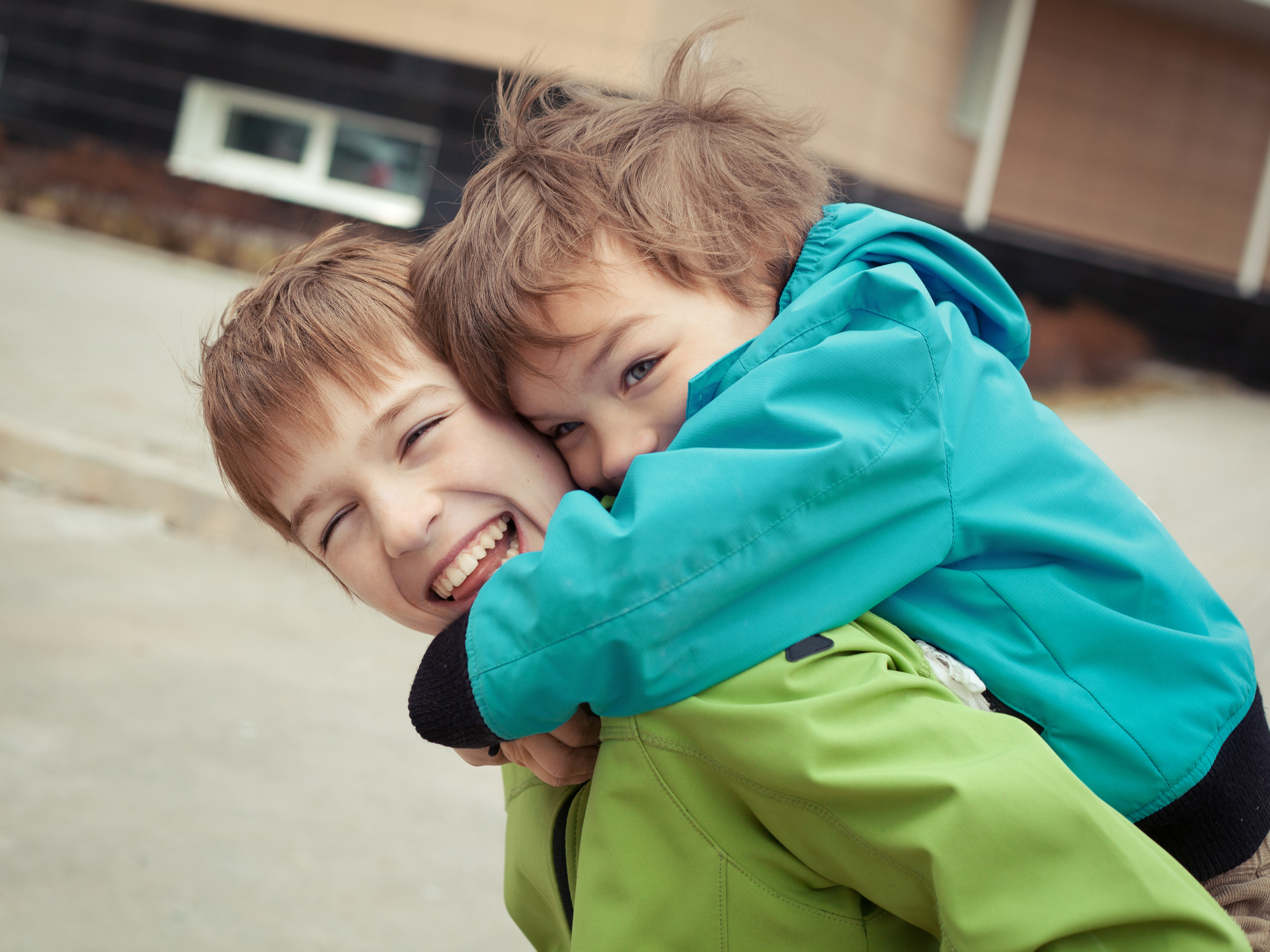
Fighting between brothers and sisters is normal. And even though it may drive you and the rest of the family crazy, in reality it’s not always a bad thing. Squabbles can sharpen negotiation skills, build resilience, and even prepare kids for real-world conflict resolution. But the ultimate goal is bigger than bickering: fostering a lifelong sibling bond built on affection, empathy, and support.
Dr. Stefanie Mazer, Psy.D., a licensed psychologist and founder of Mindwise Inc., explains that “a strong sibling bond is linked to numerous evidence-based psychological and developmental benefits.” Warm sibling ties, she notes, enhance emotional regulation, social competence, and empathy while also reducing risks of anxiety, depression, and behavioral problems.
Here are eight research-backed strategies to help siblings grow closer, even when they clash.
1. Model healthy conflict
Children learn by watching. When parents argue respectfully by resolving differences without insults or slammed doors, they show kids what emotional regulation looks like. “Teach emotion regulation and conflict resolution skills through modeling,” says Dr. Mazer. If children see not only the disagreement but also the resolution, they learn that love and conflict can coexist.
2. Let them work it out
Not every skirmish needs a referee. Unless a fight risks serious harm or bullying dynamics, giving siblings space to resolve disagreements themselves fosters independence and negotiation skills. As Dr. Mazer explains, these moments are “valuable opportunities for growth.” Stepping in too quickly can fuel rivalry and dependence on parental arbitration.
3. Try restorative circles when needed
Sometimes, children need guidance to navigate heated arguments. That is where restorative circles, a structured approach designed to promote fairness and mutual understanding, come in. In practice, this means sitting everyone down (once the shouting has calmed) and letting each child share their side without interruption. A parent might ask, “What do you want your brother to know?” The sibling then repeats what they heard, ensuring understanding before moving forward. Each child continues until they feel heard, and together they brainstorm solutions.
Dr. Mazer explains that restorative circles help children see conflict as a problem to solve together rather than a battle to win. “This strategy promotes equity and avoids the pitfalls that come from being the sole arbiter of justice,” she notes. It won’t be practical for every spat, but used selectively, it can defuse tension and encourage empathy.
4. Create opportunities for teamwork
Joint activities encourage siblings to see one another as partners rather than competitors. Dr. Mazer emphasizes the value of “cooperative activities that require teamwork, fostering mutual reliance and shared goals.” Whether through shared toys, weekend projects, or supporting each other’s recitals and games, these experiences cultivate trust. She also recommends creating family rituals and traditions that strengthen emotional connections over time.
5. Encourage affection
“Affection isn’t just warm, it’s deeply beneficial,” says Dr. Mazer. Even small gestures like saying “I’m glad you’re here with me” communicate belonging and strengthen resilience. Research on affection exchange theory confirms that expressions of care boost relational well-being and reduce stress.
6. Focus on fairness
Children are acutely aware of fairness. Unequal treatment can breed resentment, so Dr. Mazer advises encouraging siblings to reflect on how they each contribute. Shared responsibilities, whether chores, planning play, or decision-making, help “practice justice and mutual respect” while restoring balance in perceived equity.
7. Celebrate individuality
Family systems theory suggests that each member of a household takes on roles that shape relationships. Perhaps your children each take on the role of protector, peacemakers, and adventurer. Recognizing and supporting those unique roles reduces rivalry. “When you notice and support what makes each child stand out, it lowers the need to compete,” says Dr. Mazer.
8. Frame siblings as allies
Siblings can be powerful emotional scaffolds. Encouraging children to see each other as sources of comfort strengthens empathy and cooperation. “Helping children see each other as allies instead of rivals opens the door to empathy, emotional understanding, and self-regulation,” Dr. Mazer explains. These bonds often carry into adulthood, offering enduring support through life’s transitions.
Sibling relationships are unlike any other: they mirror peer friendships, but with the depth, loyalty, and honesty that come from family. As Dr. Mazer highlights, strong sibling ties can buffer against stress, enhance emotional skills, and provide a lasting source of support. Parents cannot control every skirmish, but they can nurture the conditions for siblings to grow into lifelong allies.