


BY THE OPTIMIST DAILY EDITORIAL TEAM
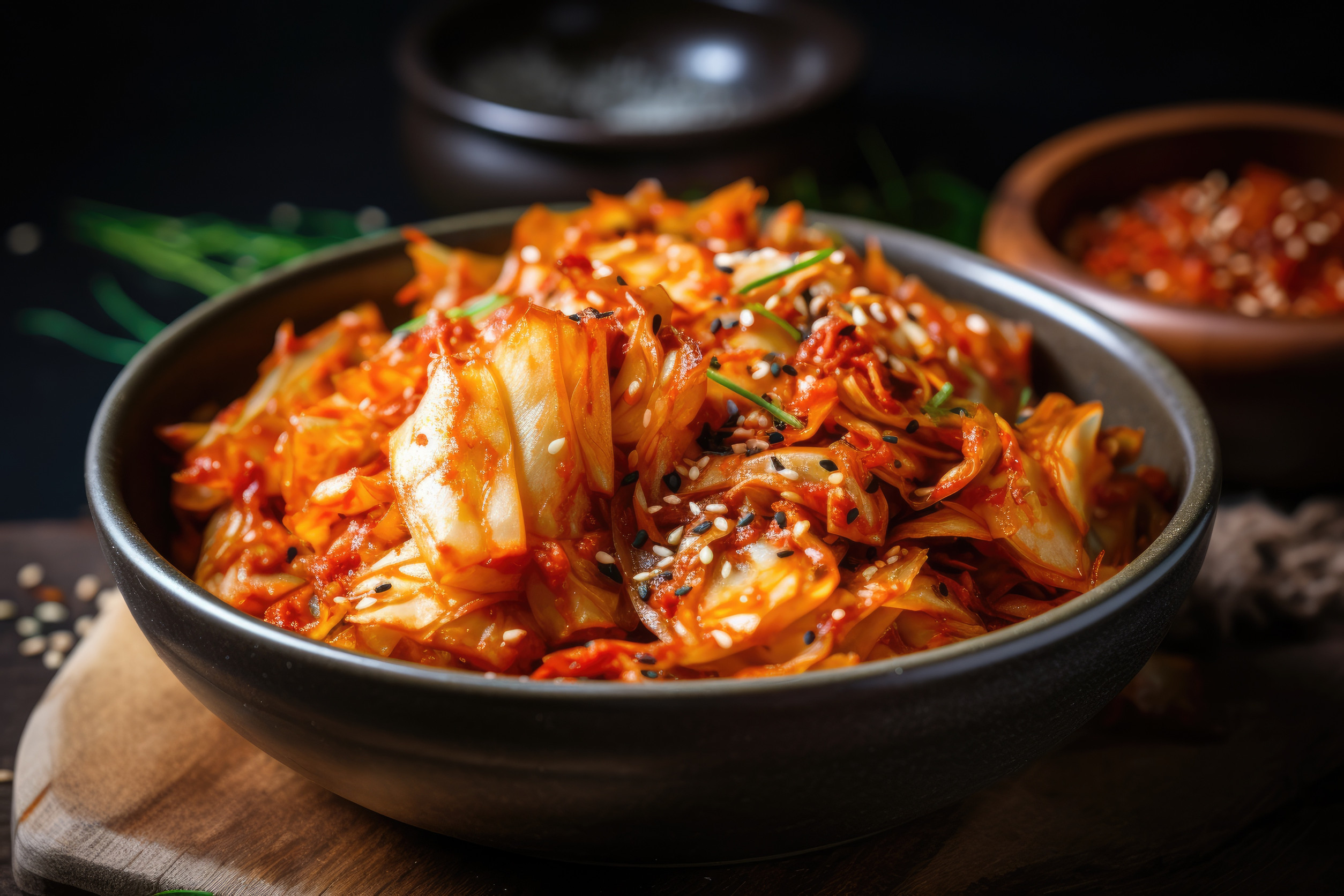
Kimchi may look like a simple side dish of cabbage, chili, garlic, and ginger, but researchers are discovering it packs a powerful punch for health. Once a survival food that helped ancient Koreans endure long winters, kimchi has grown into a global symbol of flavor and wellness, and now science is showing why it deserves that spotlight.
What studies reveal about kimchi
A team from the University of Connecticut’s College of Agriculture, Health and Natural Resources recently reviewed nine studies published between 2011 and 2023. Together, the evidence suggests that kimchi can improve several important health markers. People who ate it regularly were found to have lower fasting glucose, reduced triglycerides, and modest yet meaningful drops in both systolic and diastolic blood pressure.
“These are promising numbers,” said Ock Chun, a professor of nutritional sciences at UConn. Even small reductions in blood pressure can have an impact on long-term health, she noted. Achieving those results through food rather than medication highlights kimchi’s potential as a practical lifestyle tool.
Why it works
Kimchi’s nutritional benefits stem from more than its vegetables. Researchers believe its high potassium levels help counteract sodium, while the lactic acid bacteria created during fermentation aid the body in flushing out excess salt. As lead researcher Seoeun Ahn explained, these good bacteria may “offset the hypertensive effect of sodium.”
Beyond cardiovascular benefits, kimchi has earned a reputation as a gut-friendly food. Fermentation produces probiotics that can balance the microbiome, support digestion, ease bloating, and may even improve symptoms of irritable bowel syndrome (IBS).
A closer look at the numbers
Large-scale studies back up these findings. In 2024, data from more than 115,000 Korean adults aged 40 to 69 revealed that those eating one to three servings of kimchi daily had stronger metabolic health profiles. Men who consumed cabbage-based kimchi (baechu) were less likely to be obese, while both men and women who ate radish-based kimchi (kkakdugi) had less abdominal fat.
Still, researchers caution that most of this work has been conducted in Korea. Ahn noted that new studies in countries like the United States could help determine whether these results apply to more diverse populations.
Tradition meets global trend
There are now more than 200 types of kimchi in Korea, each with its own character. Unlike the pickled versions found in China or Japan, Korean kimchi is fully fermented, giving it distinctive probiotic qualities.
The dish’s recent global rise is tied to the “Hallyu” wave, which refers to the surge of Korean culture through K-pop, dramas, films, and cuisine. Supermarket shelves worldwide now carry jars of kimchi, and the U.S. market alone is projected to grow to $8.6 billion by 2035.
Adding kimchi to your plate
For anyone looking to improve heart health, support digestion, or simply enjoy bold flavors, kimchi offers an easy and culturally rich option. It’s a reminder that foods rooted in tradition can also be solutions for modern health challenges.
Source study: Nutrition Reviews—Effects of fermented kimchi consumption on anthropometric and blood cardiometabolic indicators: a systematic review and meta-analysis of intervention studies and prospective cohort studies






