BY THE OPTIMIST DAIDLY EDITORIAL TEAM
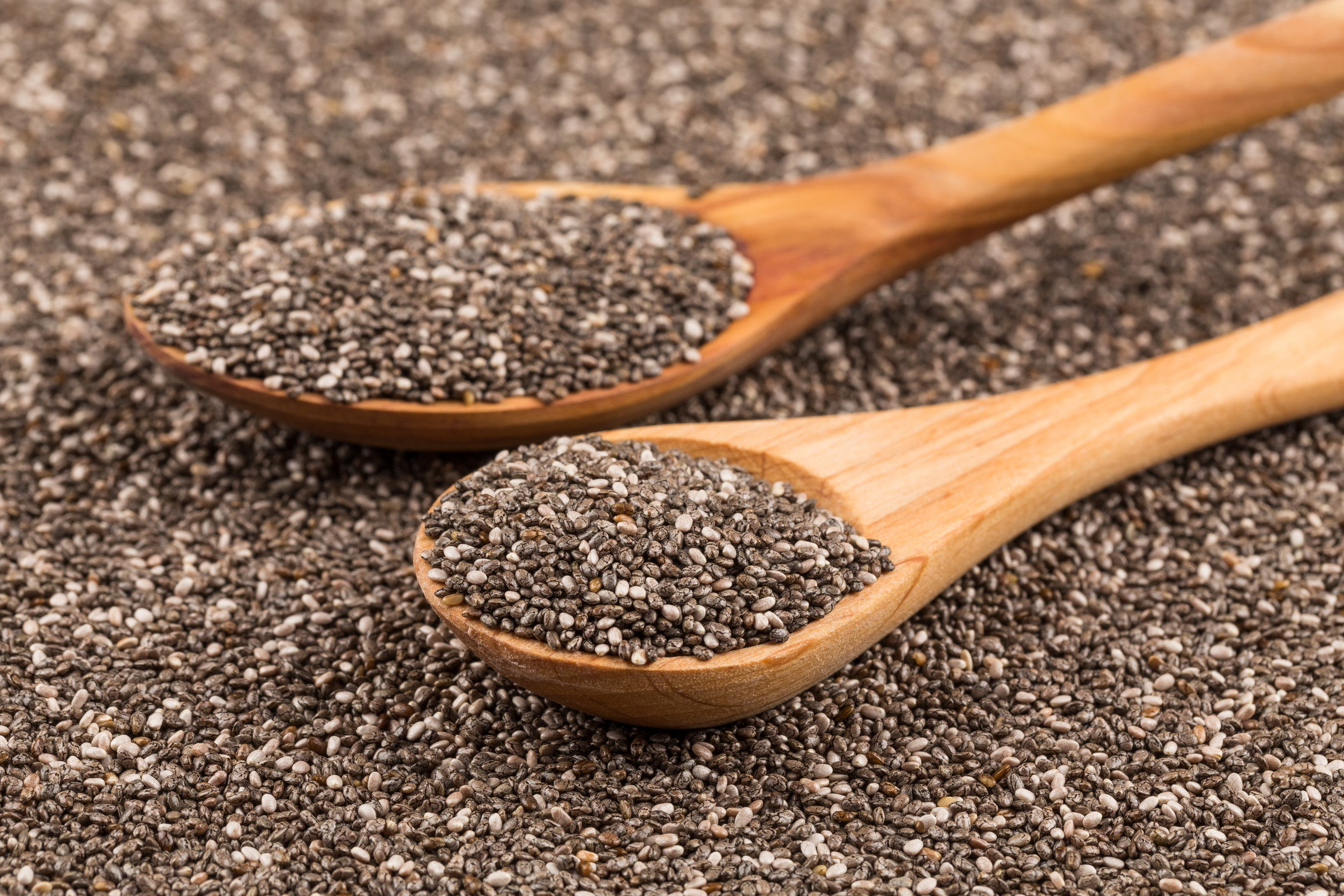
There’s a reason chia seeds continue to dominate social media and breakfast bowls. These tiny superfoods are nutritional powerhouses. “They have so many nutritional benefits,” says Jane Leverich, MS, RDN, a registered dietitian nutritionist in Denver. “They’re packed with fiber, protein, omega-3 fatty acids—some of the most important nutrients that a lot of people struggle to get from their diet.”
Chia seeds are also rich in iron, calcium, potassium, and magnesium. Their fiber content can support digestion and blood sugar control, while the blend of protein, fiber, and healthy fats helps you feel full. “They’re a triple threat of nutrients,” adds Nicole Ibarra, RD, a registered dietitian in Phoenix.
Water vs. yogurt: which is better for chia seeds?
You can sprinkle chia seeds onto oatmeal or avocado toast for some crunch, but nutritionists say they’re most effective when soaked. When mixed with water or yogurt, the seeds swell into a gel-like consistency that helps hydrate and nourish your body.
Chia water, affectionately nicknamed “tadpole water,” offers hydration benefits that last. “When those gelatinous chia seeds are digested, it takes a longer time for the water to be released into your body, so it leads to longer-term hydration,” says Leverich. She calls it a “hydration upgrade.”
But chia yogurt takes the nutritional edge. “Chia seeds in yogurt are superior to chia water because of the fiber you’re getting and the additional benefit of the yogurt having probiotics in it,” says Ibarra. “Those two together can support your gut health.”
Greek yogurt or Icelandic skyr is best since they’re low in sugar and high in protein. Topped with berries, hemp seeds, or a drizzle of honey, chia yogurt makes for a satisfying, nutrient-packed snack. “It supports your gut health and satiety,” says Leverich.
Want to enjoy both? Here’s how to do it right
Not a fan of the chia gel texture in yogurt? Water-based options can still be refreshing. Spice up your chia water with a splash of citrus, a few mint leaves, or fresh ginger. “Chia water is great for hydration, but I wouldn’t recommend it as a meal replacement,” says Leverich.
You can also experiment with chia tea by mixing the seeds into your favorite herbal blends.
How often should you eat chia seeds?
Chia seeds are generally safe to eat daily, but ease in slowly if you’re not used to high-fiber foods. Start with a small serving and increase gradually. “If you have a lot of dietary fiber, it can contribute to constipation if you’re not adequately hydrated,” says Ibarra.
Leverich recommends one or two glasses of chia water a day, but it shouldn’t replace your usual hydration habits. If you’re on blood pressure medications or have digestive conditions like IBS or Crohn’s, talk to your doctor before adding chia to your routine.
Chia seeds are a versatile, plant-based addition to your diet, offering key nutrients in a small package. Whether you go for a spoon or a sip, both yogurt and water are solid ways to reap the benefits.
“You’re getting a lot in a very small package,” says Ibarra.