BY THE OPTIMIST DAILY EDITORIAL TEAM
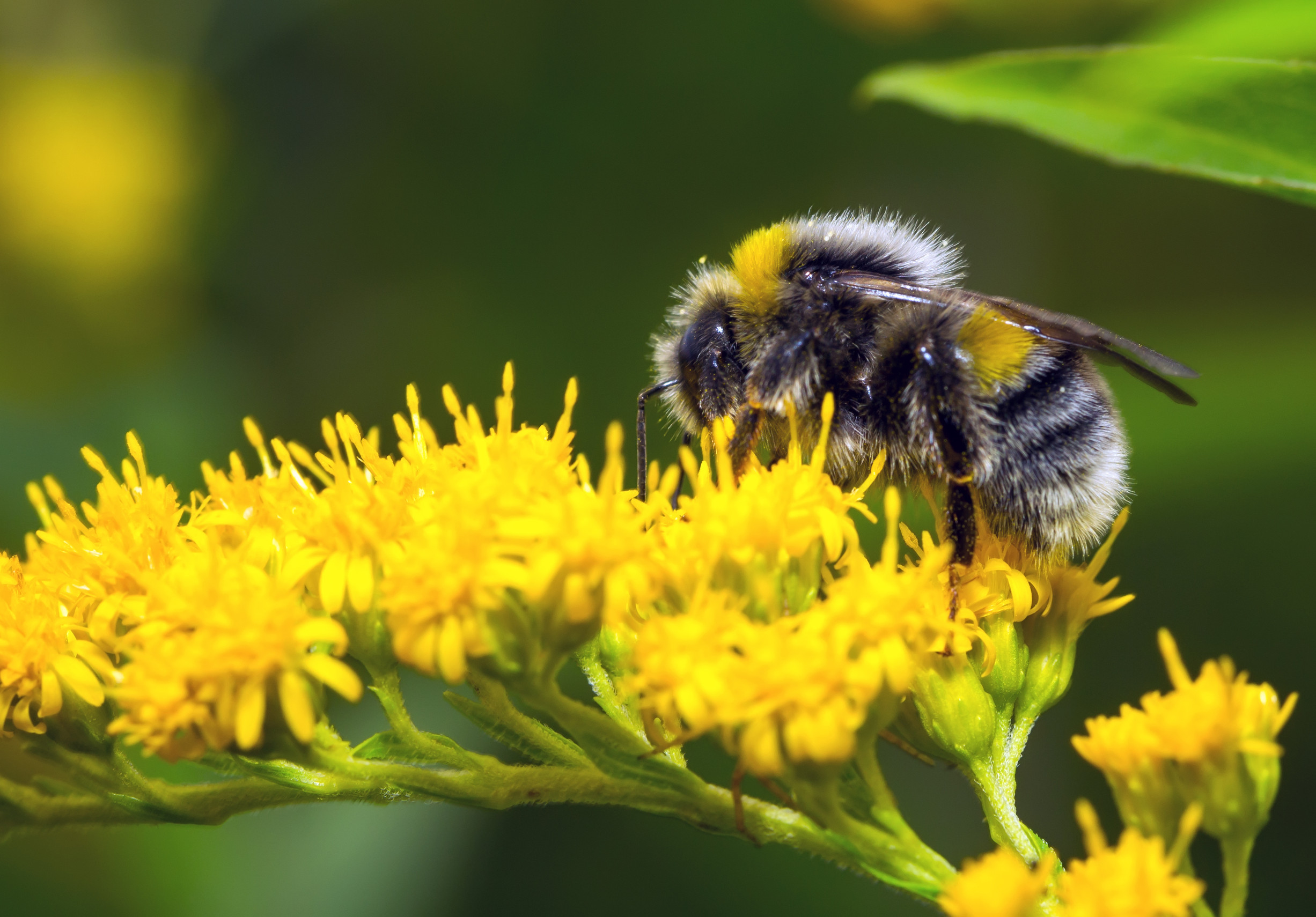
If you’ve ever watched a bumblebee clumsily bumble from flower to flower, you’ve probably smiled. But it turns out, bees might be sharing that good mood with each other, too, literally.
A new study suggests that when one bee experiences a positive moment, that emotional high doesn’t stay personal. Instead, it spreads, influencing other bees in ways that look a lot like optimism.
And no, this isn’t just feel-good fluff. The research, published in Science, is a window into the social and emotional complexity of bees, those wobbly little pollinators we thought we had all figured out.
One sweet moment, one unexpected shift
Imagine this: a bee gets a tiny taste of sugar, then spends just 30 seconds interacting with another bee in the nest. That’s all it takes.
After this brief encounter, the second bee, who got no sugar herself, starts acting as she did. Specifically, she approaches ambiguous tasks with a newfound confidence, as if she’s expecting good things.
“The moment that surprised us most was when we first saw evidence of contagion after just a brief, 30-second social interaction,” said Dr. Fei Peng, corresponding author of the study from Southern Medical University in Guangzhou. “The observer bees hadn’t received any reward themselves, yet their later judgments shifted in the same direction as the rewarded demonstrators.”
This is more than just behavioral mimicry. The study used what’s known as a judgment-bias test, a clever way to measure whether animals expect good or bad outcomes. Optimistic bees approached new challenges quickly; cautious bees hesitated.
After interacting with a sugar-happy peer, the observer bees consistently responded more like the optimists.
The optimism is in the eyes
Interestingly, it wasn’t smell or touch that made the mood catch on. When the same interaction happened in total darkness, the effect disappeared.
Sight was key. The observers needed to see their sugar-lucky friend move and respond. Visual cues, not scent or contact, turned out to be the social spark that lit the emotional flame.
“These behaviours are hallmarks of an affective shift, not arousal or social copying,” Peng shared with New Atlas. That means something in the observer bee’s internal state, possibly emotion-like, actually changed.
A peek inside the bee brain
So what’s happening under the hood? While researchers didn’t measure brain chemicals directly, they have a strong hypothesis: dopamine.
“In our study we did not measure neurotransmitters directly,” Peng explained, “but the behavioural pattern we observed in the observers… resembles the effects seen when dopamine levels are experimentally elevated.”
In other words, the moment of interaction may have triggered a reward-related shift in the brain. And that’s a pretty big deal when it comes to understanding how tiny creatures experience and share internal states.
Happiness is catching (even in a hive)
This study joins a growing body of work showing that bees aren’t just little pollen-collecting robots. They have moods. They remember experiences. And, as this research shows, they influence one another in subtle emotional ways.
What’s more, if positive feelings can ripple through a colony, negative ones might, too.
“If we assume positive affective states can spread, then negative ones such as stress from disturbance may also spread among bees,” Peng pointed out.
That has significant implications, not just for science, but for how we care for pollinators in agriculture and conservation. Creating low-stress environments could matter more than we realize.
A bigger buzz about bee emotions
At this point, it’s tempting to call it happiness, but the researchers stop just short of using that term. Still, the conclusion is hard to ignore: bees are affected by each other’s internal states, and those states can shift from one individual to another in a matter of seconds.
And if a moment of shared joy can leave a lasting trace in a bee’s brain, maybe it’s time to rethink what we expect from “small” minds. Even among insects, life is not just instinct; it’s interaction.
This research is a reminder that emotions aren’t always loud, dramatic things. Sometimes, they’re a quiet moment between two beings, changing the course of the day in ways we might never see.
And sometimes, that moment only lasts 30 seconds, but for a bee, it’s enough.
Source study: Science— Positive affective contagion in bumble bees