BY THE OPTIMIST DAILY EDITORIAL TEAM
In a major triumph for marine conservation, more than 185 countries agreed to bolster protections for 70 species of endangered sharks and rays. The announcement came during the 20th conference of the Convention on International Trade in Endangered Species of Wild Fauna and Flora (CITES), held in Samarkand, Uzbekistan. The new regulations target the unsustainable fishing industry that is driving population declines, and are set to take effect within the next three to 18 months.
The expanded protections mark a significant step toward reversing decades of neglect. Unlike whales and turtles, which gained international safeguards over 40 years ago, sharks and rays have only recently begun receiving the same level of attention. As a result, many species have seen steep drops thanks to overfishing and the global demand for their fins, liver oil, and gill plates.
The threats behind the decline
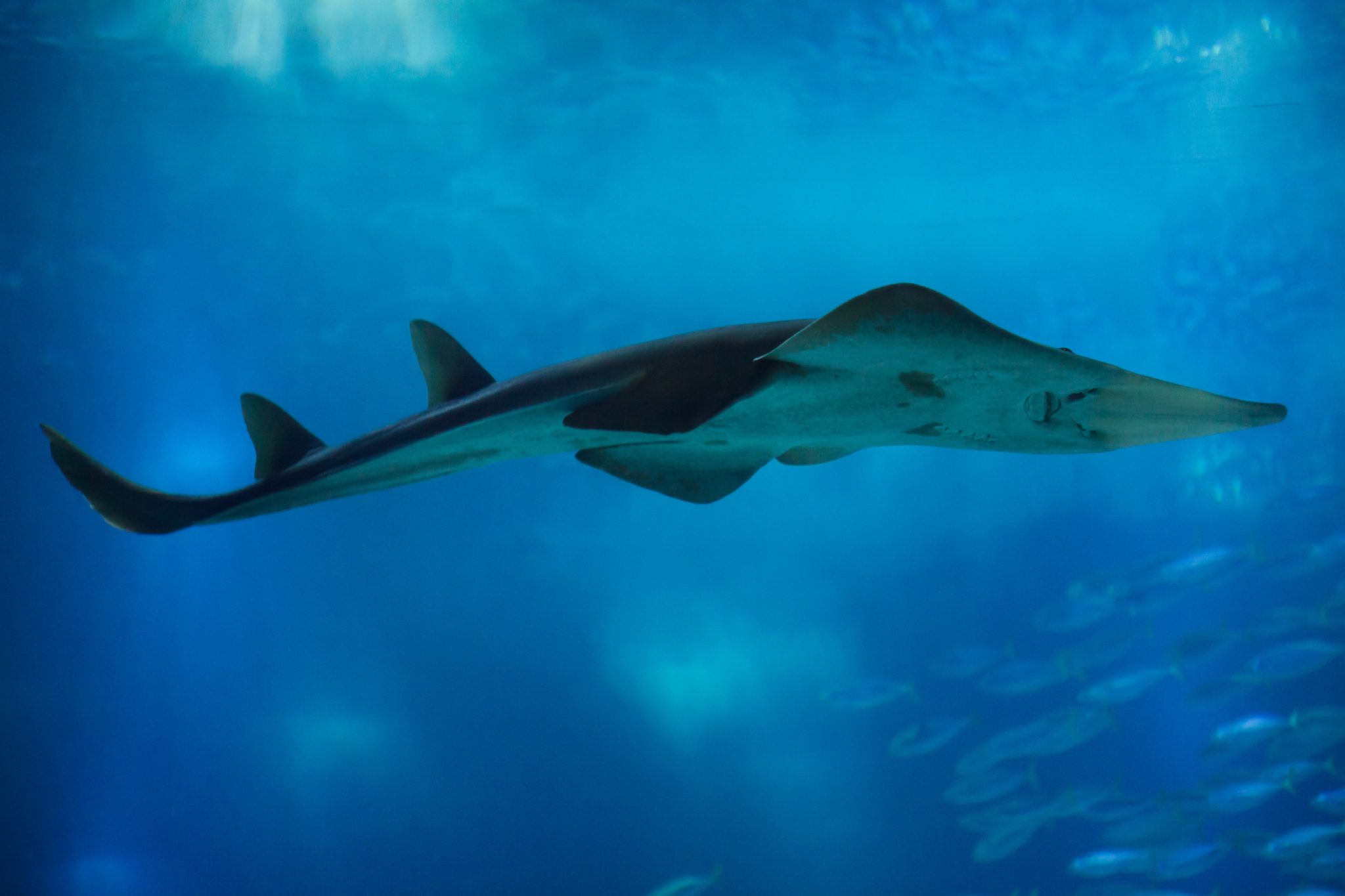
Each of the 70 species added or reclassified under CITES has been targeted for specific reasons. Wedgefish and similar guitarfish are commonly harvested for shark fin soup, a delicacy that continues to drive illegal and unsustainable fishing. Gulper sharks are hunted for their liver oil, a substance used in moisturizers and antioxidant supplements. Rays are also under pressure, as their gill plates are used in traditional medicine across parts of Asia.
Experts emphasize that these species are particularly vulnerable due to biological traits such as slow growth rates and late maturity, which make population recovery even more difficult.
What the new CITES protections mean
Rather than banning all trade, the CITES treaty focuses on strengthening regulations to ensure that international trade in shark and ray products is both legal and sustainable. Species are categorized under different levels of protection through a tiered system of appendices:
- Appendix I includes species that are endangered and bans all commercial international trade. Recent additions to this category include whale sharks, oceanic white tip sharks, and manta rays.
- Appendix II includes species that are not necessarily endangered but are at risk if trade is not regulated. This now covers gulper sharks, smooth-hound sharks, and guitarfish.
The updated listings require countries to verify the origin of traded products and prove they come from populations that are not being harmed by commercial exploitation.
A pivotal moment for ocean health
Conservationists and scientists view the decision as a watershed moment for ocean conservation. Sharks and rays are keystone species; they help maintain balance in marine ecosystems by regulating prey populations and supporting biodiversity. Their decline can set off chain reactions throughout ocean food webs, with long-term consequences for fisheries and coastal communities alike.
Although challenges such as such as monitoring and tracking trade routes remain in enforcing the new regulations, marine experts say this agreement is a major leap forward. The hope is that with global cooperation and improved transparency, some of the world’s most threatened marine animals will have a better chance at survival.
Did this solution stand out? Share it with a friend or support our mission by becoming an Emissary.