BY THE OPTIMIST DAILY EDITORIAL TEAM
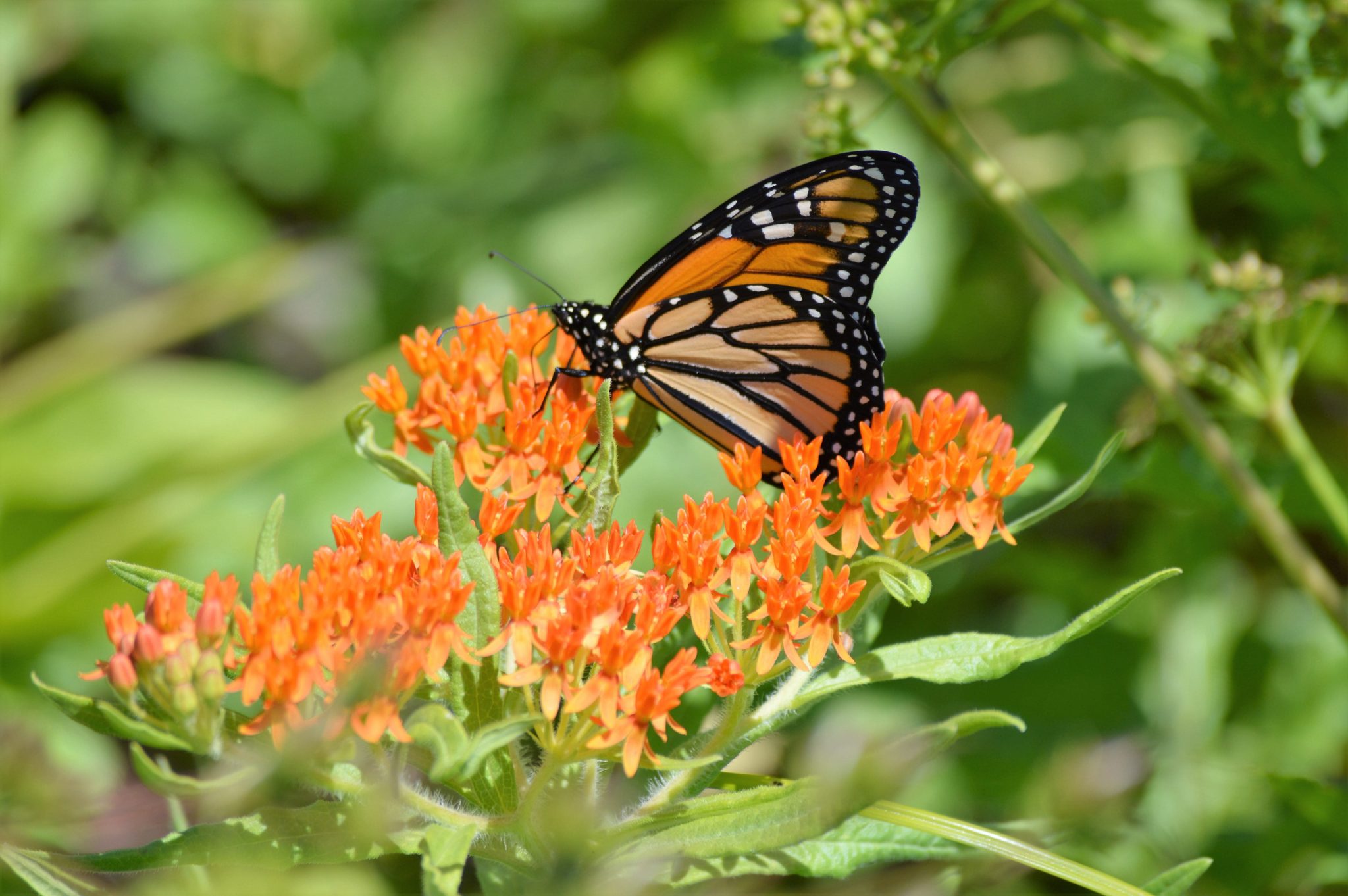
Every fall, tens of millions of monarch butterflies travel nearly 3,000 miles from Canada, through the United States, and into the forests of western Mexico. They arrive like a living orange blanket, covering entire trees. This winter, there were noticeably more of them.
New figures released by WWF Mexico show that the area occupied by monarchs expanded to 7.24 acres (2.93 hectares) of forest, up from 4.42 acres (1.79 hectares) the previous winter, a 64 percent increase and the most extensive coverage since 2018.
“The monarch butterfly is the symbol of the trilateral relationship between Mexico, the United States and Canada,” said Alicia Bárcena Ibarra, Mexico’s environment minister, at a recent news conference. “Its conservation is a collective commitment we must maintain for the future.” This commitment has been tested from multiple directions.
What’s working: logging nearly gone from the core zone
The good news starts with the forests themselves. For decades, illegal logging in the monarch’s core habitat in Mexico’s Michoacán state had been one of the primary threats to the species. Organized crime groups linked to the state’s lucrative avocado trade drove deforestation, sometimes violently. In 2020, Homero Gómez González, one of Mexico’s best-known monarch conservators, was found dead, with his family suspecting he was killed by groups intent on clearing butterfly habitat.
Yet sustained conservation pressure has paid off. From a peak of nearly 1,235 acres (500 hectares) of logged forest in 2003 and 2004, just 6.3 acres (2.55 hectares) were affected between February 2024 and February 2025.
“One of the greatest achievements of this work is that illegal logging in the core zone of the Monarch Butterfly Biosphere Reserve has been virtually eradicated since 2008,” said María José Villanueva, WWF Mexico’s director. “This means that the forests that represent the fundamental habitat for the monarch butterfly’s hibernation are being protected and conserved.”
The numbers that put this recovery in context
The 64 percent increase is real, and it matters. But the numbers that define what’s at stake are harder to celebrate.
At their peak in the winter of 1995, monarchs covered nearly 45 acres (18.21 hectares) of forest in Mexico. Scientists say the species needs at least 15 acres (6.07 hectares) to survive long-term. This winter’s 7.24 acres is less than half of that survival threshold.
The threats driving the long-term decline stretch well beyond Mexico’s borders. In the United States, herbicides like glyphosate and dicamba have caused a dramatic drop in milkweed, the only plant monarch caterpillars can eat, which has pushed butterfly populations down alongside it. The Biden administration proposed listing the monarch as a threatened species under the Endangered Species Act at the end of 2024. Trump administration officials have since delayed the decision indefinitely.
In February, two environmental groups filed a lawsuit to compel the administration to set a timeline for federal protections. “It would be unforgivable for its epic migrations to collapse because of political cowardice on enacting range-wide protections,” said Tierra Curry, endangered species co-director at the Center for Biological Diversity.
A single season of hope in a longer story
What this winter’s numbers make plain is that targeted, sustained conservation can move things in the right direction. Mexico’s near-elimination of logging in the core reserve took two decades of sustained pressure against organized crime, and it worked. The monarchs responded.
But a single-season rebound does not resolve the broader picture. The butterflies need milkweed across North America, federal protections in the United States, and continued forest stewardship in Mexico. Any one of those failing is enough to undo the rest.
This winter’s numbers offer real encouragement. But what they mostly show is what becomes possible when conservation work holds over decades: the forests stay standing, and the butterflies return. Whether that continues depends on decisions being made right now in Washington, and on the farms and roadsides across the American Midwest where milkweed once grew in abundance.
Did this solution stand out? Share it with a friend or support our mission by becoming an Emissary.