BY THE OPTIMIST DAILY EDITORIAL TEAM
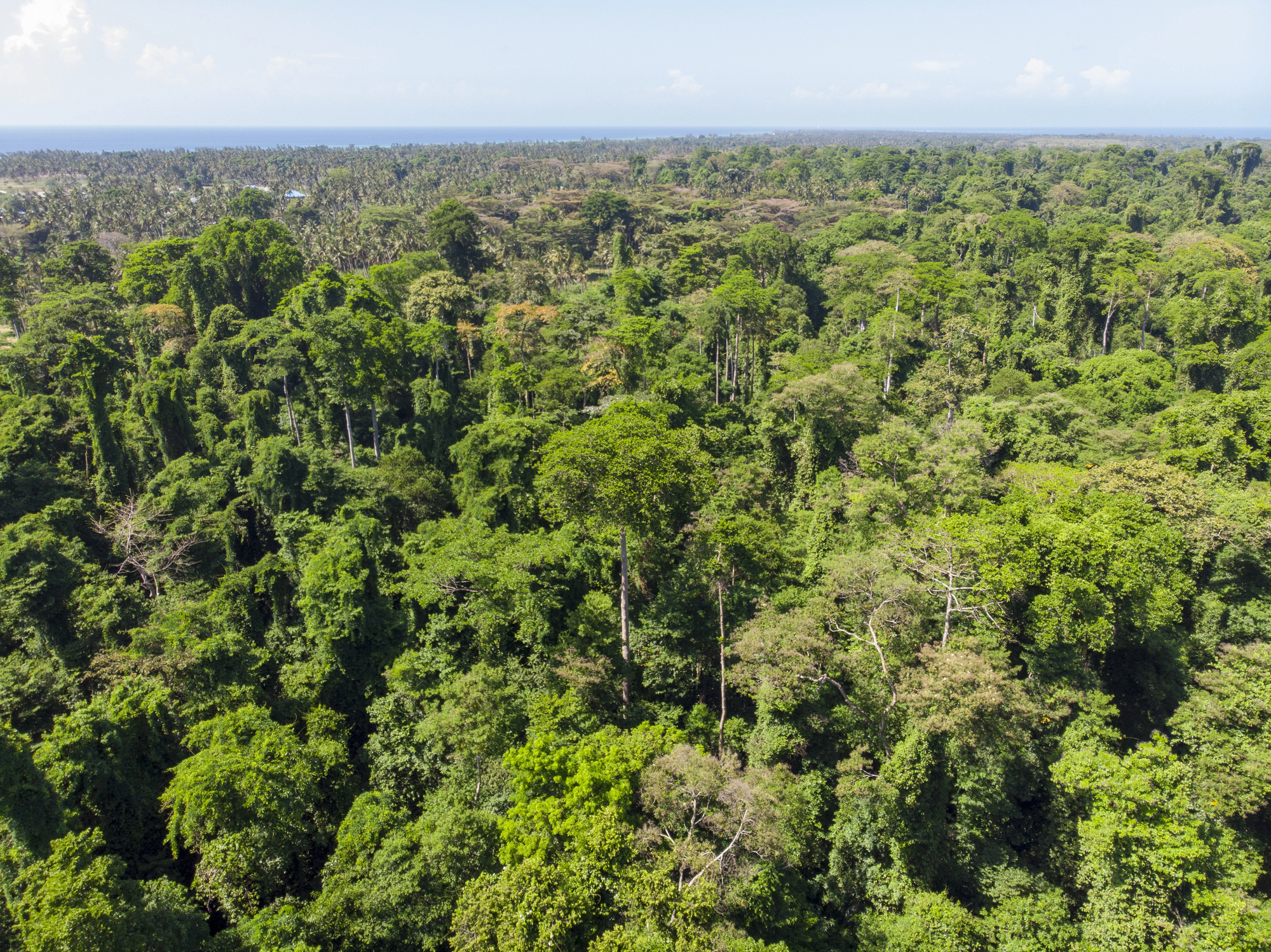
By August 2025, fires had consumed nearly one million hectares (roughly 2.47 million acres) across Spain, the worst toll in three decades. Six regions, including Castilla y León, Galicia, and Andalusia, were declared disaster zones. The causes are familiar: decades of rural depopulation, the abandonment of traditional grazing, and a climate that delivers hotter, drier summers than the landscape was built for.
Those decades of agricultural mechanization did something specific: they removed the animals that had been clearing scrub for centuries. Donkeys and other grazers were replaced by machinery that tended crops and left the hills to fill in. The dry vegetation that accumulated in their absence became the fuel that feeds today’s fires.
One solution has been sitting in plain sight. It has four legs and has kept a major national park fire-free for nine years.
The Doñana experiment
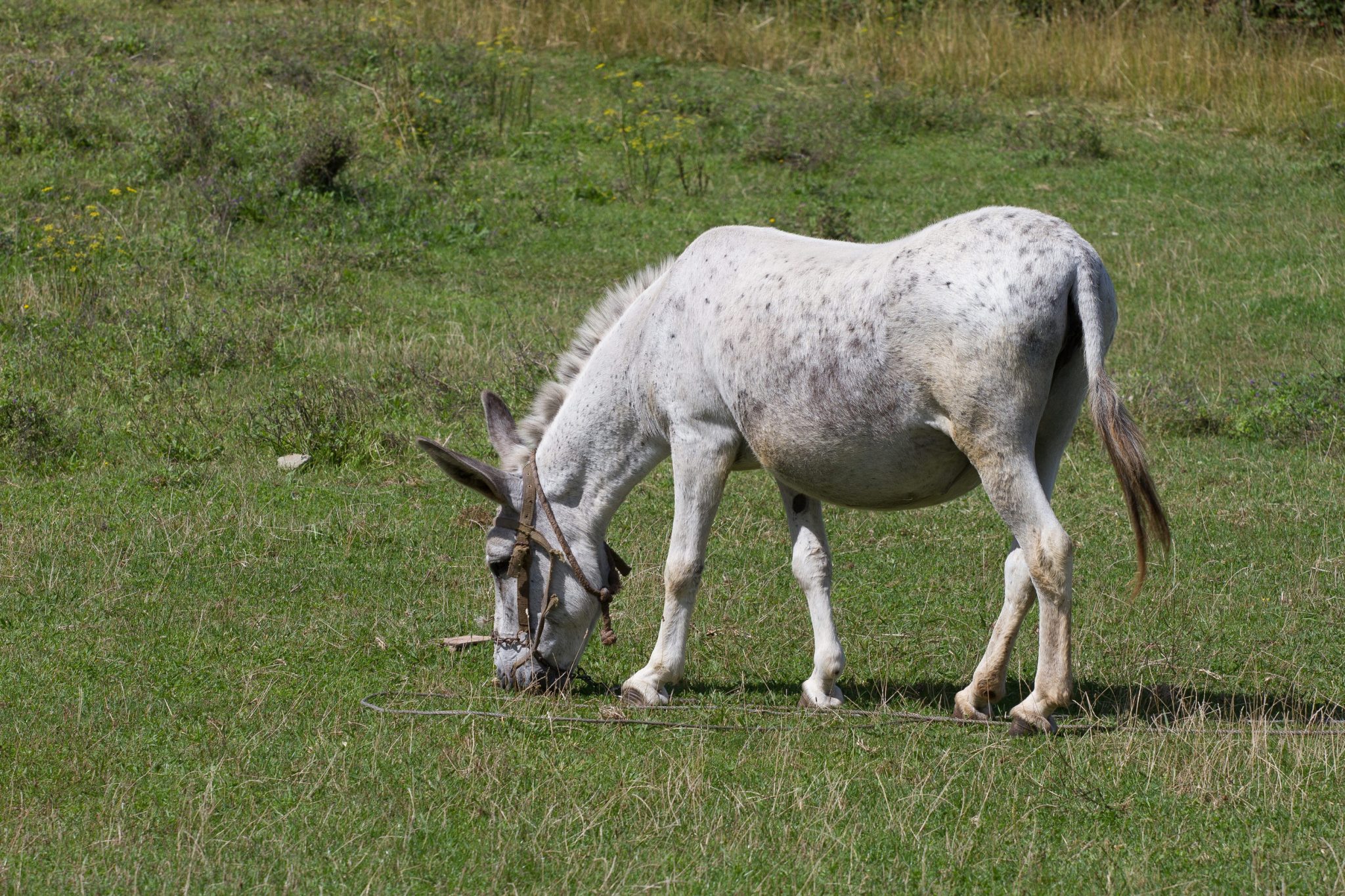
Since 2014, 18 donkeys from the association El Burrito Feliz have been working the outskirts of Doñana National Park, one of Europe’s most important wetland ecosystems. The animals were rescued from abandonment. Their president, Luis Manuel Bejarano, calls them “herbivorous firefighters.”
The work is unglamorous and relentless. Between March and November, donkeys named Mortadelo, Magallanes, Leonor, and Ainoa graze strips of roughly 40 by 15 metres (about 131 by 49 feet) every day. They eat the dry, rough vegetation that other livestock typically pass over. Cows and sheep feed on tender grass; donkeys work through the dense scrub that accumulates along roadsides and forest edges, keeping the fuel load down.
Doñana has not recorded a forest fire since the project began. The Military Emergency Unit took notice: their personnel visited the park and symbolically adopted one of the animals. Volunteers from the group Mujeres por Doñana bring water to the donkeys and supervise their work in terrain where vehicles cannot go.
What the science says
Rosa María Canals, professor of ecology at the Public University of Navarre, explains that donkey grazing reduces vegetation density in landscapes that have grown increasingly thick and dry. Unlike mechanical clearing, which requires equipment, fuel, and road access, grazing happens continuously and reaches precisely the terrain where machines cannot.
The advantage comes from the animal’s appetite. Donkeys evolved to survive on poor, dry forage, which means they eat what other livestock ignore. That dietary range makes them effective at clearing the scrub species, dry grasses and low shrubs, that carry fire across the landscape.
From Doñana to Catalonia and beyond
The model has spread. In Tivissa, Tarragona, the Burros Bomberos project launched in 2020 with three animals and has grown to around 40 donkeys, clearing close to 400 hectares (about 988 acres). No fires have occurred in the area since. In Allariz, Orense, the Andrea Association uses GPS-equipped donkeys to maintain nearly 1,000 hectares (roughly 2,471 acres) within a biosphere reserve. The animals cover up to 19 kilometres (about 12 miles) a day as they work through the scrub.
Similar programs have spread to Catalonia, Galicia, and the Basque Country. They combine fire prevention with rural regeneration and give rescued animals a second purpose. Fire risk drops at a fraction of the cost of mechanical clearing.
The people running these programs are consistent on one point: donkeys are not a complete answer. Forest planning, land management, and reducing flammable monocultures like pine and eucalyptus plantations all remain part of the equation. The donkeys work best as one component of a broader strategy, not a standalone fix.
Nine years of a fire-free Doñana is hard to argue with. Spain’s landscape was shaped over millennia by grazing animals. Bringing them back may be one of the more effective tools available for protecting it.
Did this solution stand out? Share it with a friend or support our mission by becoming an Emissary.