BY THE OPTIMIST DAILY EDITORIAL TEAM
There’s a specific kind of health advice that asks a lot of you: meal prep, supplements with confusing ingredient lists, routines that cost more than they should. Blueberries aren’t that. They can be inexpensive, they need almost no preparation, and the research keeps giving you more reasons to eat them. Nutrition researchers tend to use a cup a day as the benchmark. Here’s what that cup will bring you.
What’s in a cup
A single cup of blueberries has vitamin C, vitamin K, manganese, and about 3.5 grams of fiber, roughly 14 percent of the daily recommendation for adult women. That fiber matters on its own; most people in the US don’t hit their daily targets, and blueberries are one of the easier ways to close that gap.
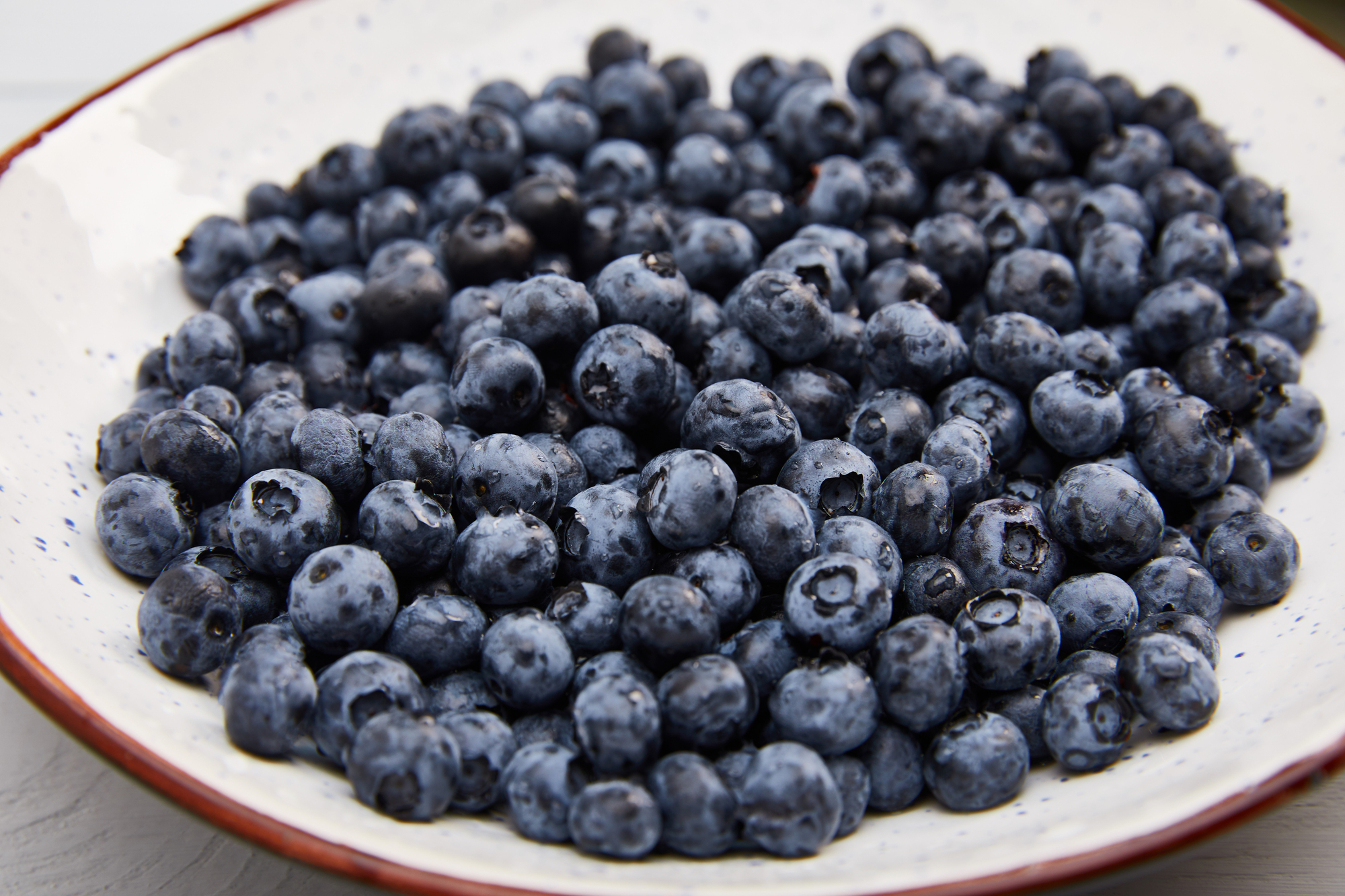
What makes blueberries stand out is anthocyanins, the dark red and purple pigments responsible for the color. Anthocyanins have anti-inflammatory properties that protect blood vessels, and research has linked them to reduced risk of high blood pressure, heart attacks, and cognitive decline. They also interact with gut bacteria to support gut health and immune function.
“Blueberries have long been associated with supporting health and protecting against disease,” says Anne VanBeber, PhD, RD, a nutritional sciences professor at Texas Christian University. “Specifically, blueberries have been shown to protect against cardiovascular diseases and diabetes, promote brain health and cognition, promote gut health, and aid in exercise recovery.”
On exercise recovery
For anyone who works out regularly, the inflammation angle is worth paying attention to. When you push your muscles hard, inflammation is a natural part of the response. Blueberries’ anti-inflammatory properties may take some of the edge off. “Because blueberry intake is associated with reduced inflammation, they may have a positive effect for athletes in recovery after exercise,” VanBeber says.
They won’t replace your actual recovery routine. But as an everyday food that also happens to do this, it’s a pretty easy addition.
Fresh or frozen (and why frozen might win)
Fresh blueberries are good. Frozen are also good, and they’re worth keeping around since they’re cheaper, longer-lasting, and fine in anything cooked or blended.
Wild blueberries specifically are smaller than cultivated ones and contain more anthocyanins per serving. The frozen bag of wild blueberries at the back of the grocery freezer may actually be more nutritious than the fresh cultivated berries out front. That’s not an obvious conclusion, but it’s what the numbers suggest.
How to build the blueberry habit
Blueberries go well with foods most people already eat: yogurt, oatmeal, smoothies, chia pudding. They can go into salads, blended into hummus or vinaigrette, or stirred into a sauce. Washing takes thirty seconds. Thawing frozen berries takes a few minutes.
Most health habits ask you to change what you eat or learn something new. This one mostly just asks you to add something you probably already enjoy!
Did this solution stand out? Share it with a friend or support our mission by becoming an Emissary.