BY THE OPTIMIST DAILY EDITORIAL TEAM
Most artificial reef structures are built from concrete. Concrete is smooth, and smooth surfaces give young coral little to grip. A team of students at National Taiwan Normal University built their version from something else entirely: ground oyster shells and coral gravel, both of which are typically thrown away.
The project is called Reefvive. The waste materials are processed into a compound that goes through a 3D printer. What comes out is a modular base with rough, textured surfaces that young coral can settle on. In open-water trials with National Taiwan Ocean University, 28 coral fragments were attached to the structures. All 28 made it, and fish, hermit crabs, algae, and octopuses had moved in by the time testing wrapped.
The material choice and the surface design reinforce each other
Before landing on a final design, the students studied brain corals and the winding, symmetrical ridges on their surface. That pattern became the starting point for the structure’s shape, iterated through several prototypes until the team landed on a design with three large openings that allow units to be stacked underwater.
Folded ridges along the sides give grip against currents. Three legs lift each base off sandy seafloors and cut down on wave-driven movement. The units click together without any clips or fasteners, so a small set can grow into a larger reef framework as more are added.
Two waste streams, one material
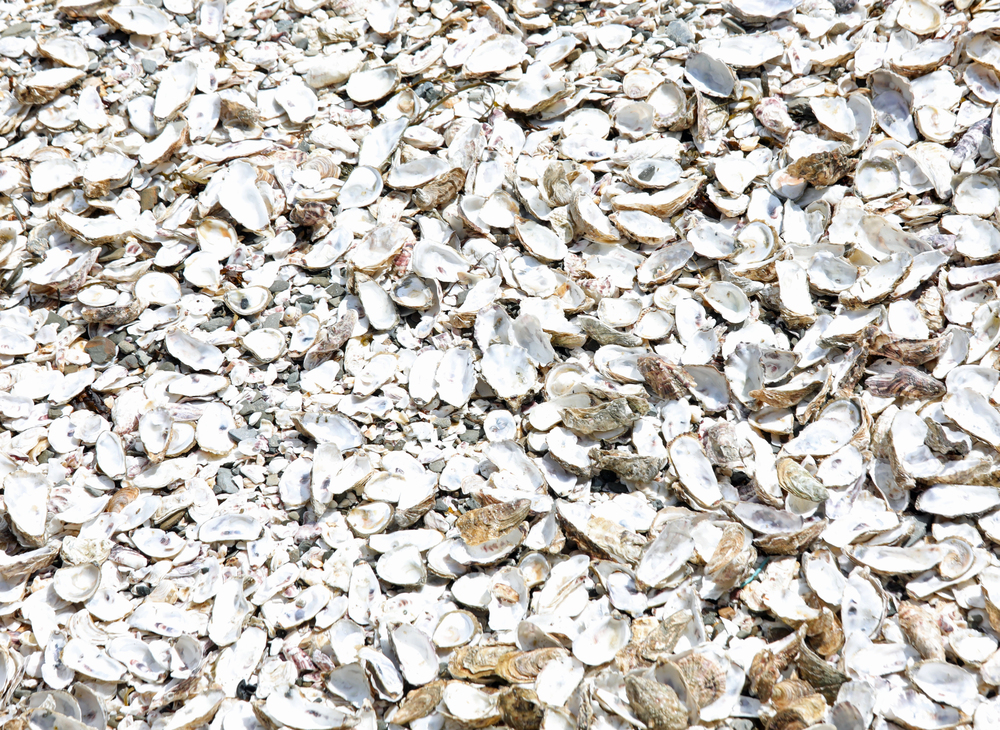
Oyster aquaculture generates large volumes of discarded shell. Coral gravel accumulates at restoration sites when dead reef is cleared. Both usually end up in disposal. Reefvive processes them into a printable material and puts them back in the water in a form coral can grow on.
The James Dyson Award named Reefvive National Runner-Up in the Taiwan region. The award entry described the design goal as twofold: give coral a foothold and provide shelter for fish and invertebrates that build up around a healthy reef.
From prototype to open water
The team plans to expand testing to more restoration sites and refine the design for larger-scale production. The stated aim is to bring the cost and complexity of coral restoration down far enough that it can be done in more places.
Reefvive was also entered for the 2026 Young Pin Design Awards. A 100 percent survival rate across 28 test coral fragments is a better first result than most reef restoration projects produce. The structures are not yet in commercial use, but the ocean trial gave the team something more useful than a design award: proof that the material works.
Did this solution stand out? Share it with a friend or support our mission by becoming an Emissary.