


BY THE OPTIMIST DAILY EDITORIAL TEAM
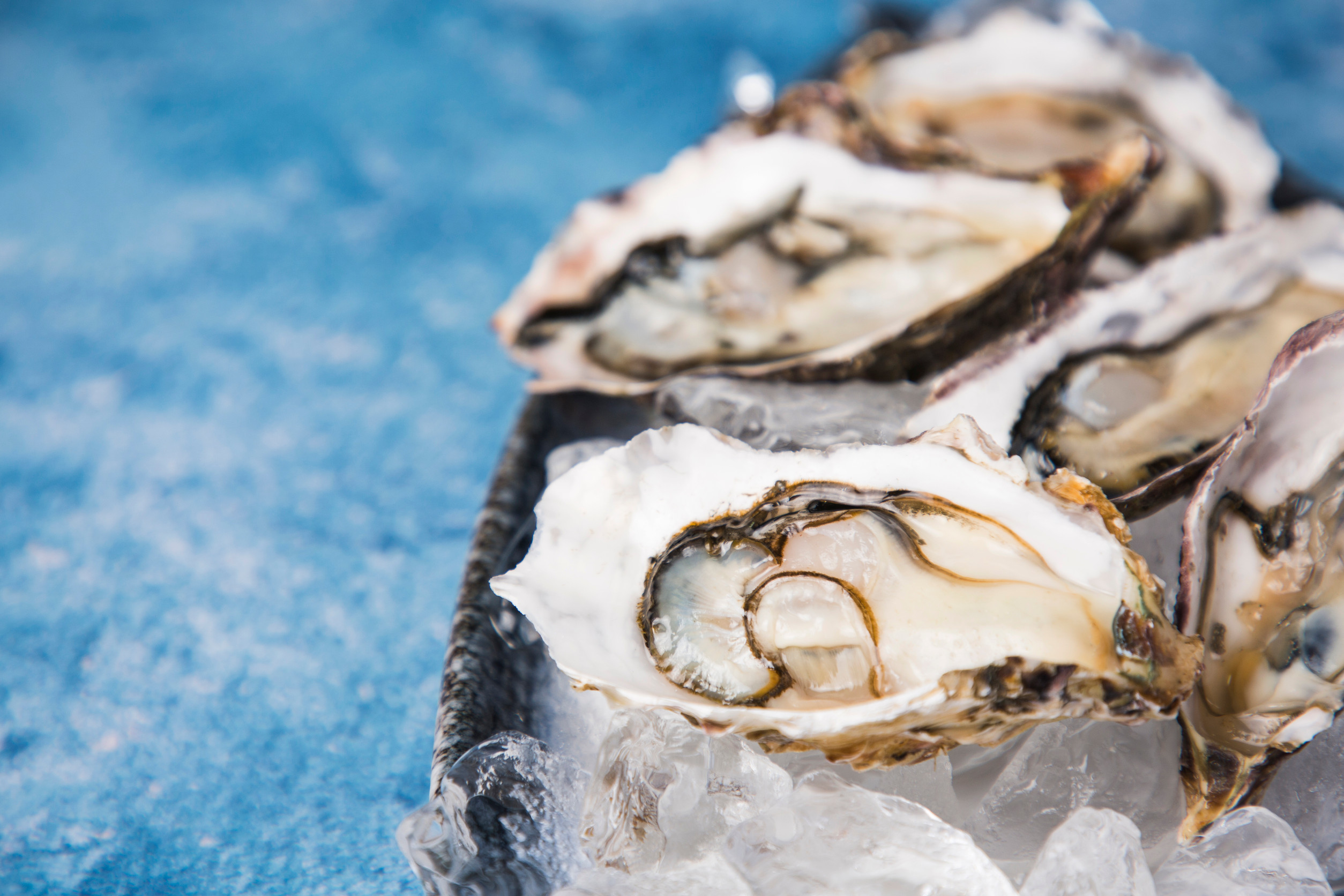
If you love seafood but worry about mercury, overfishing, or the environmental impact of your meal, there’s good news: Shellfish—especially bivalves like oysters, clams, mussels, and scallops—are both a nutritional powerhouse and an environmental success story.
Whether you’re shopping at the fish counter or browsing a restaurant menu, these simple, savory mollusks offer impressive health benefits and are one of the most sustainable seafood choices available today.
Shellfish are nutrient-dense and low in contaminants
When it comes to healthy animal protein, few options are as nutrient-packed as bivalves. Christopher Golden, an expert in planetary health and aquatic foods at the Harvard T.H. Chan School of Public Health, places mussels at the very top of the list.
“A single serving holds all the vitamin B12 you need for a day,” Golden said. Mussels also deliver healthy doses of omega-3 fatty acids, zinc, and iron—all critical nutrients for energy, immunity, and brain health. Oysters, clams, and scallops also make the list, just slightly behind mussels in overall nutrient density.
Bivalves are low in fat, high in protein, and unlike many other types of seafood, they are generally free of worrisome contaminants like mercury. That’s because they’re filter feeders at the bottom of the food chain and tend to have short lifespans, reducing their risk of accumulating harmful substances.
That said, raw oysters can carry bacteria, and rare contamination events—such as algal blooms or sewage releases—can affect shellfish safety. But these are closely monitored in the United States, said Konstantine Rountos, a marine ecologist at St. Joseph’s University in New York. “Eastern oysters, for example, are particularly picky eaters,” he noted, meaning they may simply expel harmful microplastics instead of ingesting them.
What about shellfish allergies?
Shellfish allergies are something to be aware of, particularly among adults, with about three percent affected. Although bivalves are not closely related to crustaceans like shrimp or lobster, they do contain similar allergens, including the protein tropomyosin, which can trigger reactions in sensitive individuals.
Bivalves are a sustainability win
Beyond their health benefits, bivalves shine in terms of environmental impact. According to Dr. Golden, “shellfish are the most sustainably produced type of seafood” on a global scale. Around 90 percent of oysters, clams, and other bivalves sold today are farmed rather than wild-caught, which reduces reliance on more destructive fishing practices.
These filter-feeding mollusks require no fertilizers, pesticides, or supplemental feed. In fact, they improve the water they live in by filtering out excess nutrients and pollutants. Clams and oysters can even help reduce carbon in aquatic environments by pulling it from the water.
And it’s not just the shellfish doing good. Their farmers are often strong advocates for clean water, said Luke Gardner, an aquaculture expert with California Sea Grant. “You can’t farm in dirty water,” he explained. “Oyster farmers are environmentalists—at heart and for business.”
Tips for choosing and enjoying shellfish
When buying bivalves, a few simple rules can ensure a good experience. Dr. Gardner recommends choosing U.S.-sourced shellfish, as domestic aquaculture follows strict safety regulations. Fresh shellfish should be tightly closed before cooking—if they’re open, give them a tap. If they don’t close, skip them. And always use your nose. “If it smells bad, don’t eat it,” Gardner said. “Seafood should not smell bad.”
Storage matters, too. Make sure your shellfish have been kept cold. “If you’re getting it from a friend out of the back of his trunk, don’t eat it,” he added with a laugh.
For those who need shelf-stable options, canned shellfish can be a convenient choice. Dr. Rountos says they may be slightly lower in some nutrients but higher in others. The bigger concern is sourcing: it can be harder to trace the origin of canned products.
“Nothing beats fresh local seafood from areas with good water quality,” Rountos said.
Simple, delicious ways to enjoy more shellfish
Because bivalves are so nutrient-dense, you don’t need a lot to make a satisfying, healthy meal. Their rich, briny flavors also go a long way in classic dishes like linguine with clam sauce or clam chowder—both of which work well with fresh or canned clams.
Scallops are another delicious option. Slightly fattier and meatier than other bivalves, they have a flavor and texture reminiscent of prawns. Dr. Golden suggests swapping them into shrimp recipes to mix things up.
When it comes to cooking styles, experts have their personal preferences. Dr. Rountos enjoys hard clams casino-style, while Dr. Gardner and Dr. Golden prefer simpler preparations that let the natural flavor shine. For those new to raw oysters, Dr. Gardner has advice: “Don’t look at it! Just gulp it down and eat it.”
Whether you’re a seafood lover or just starting to explore the raw bar, shellfish are a smart, sustainable, and delicious choice for your plate—and the planet.






