The term ‘microbiome’ has been thrown around a lot over the past few years with many studies and health companies finding that a healthy gut balance can decrease your risk of cancer, clear up your skin, and improve mental health, just to name a few.
Memory and the microbiome
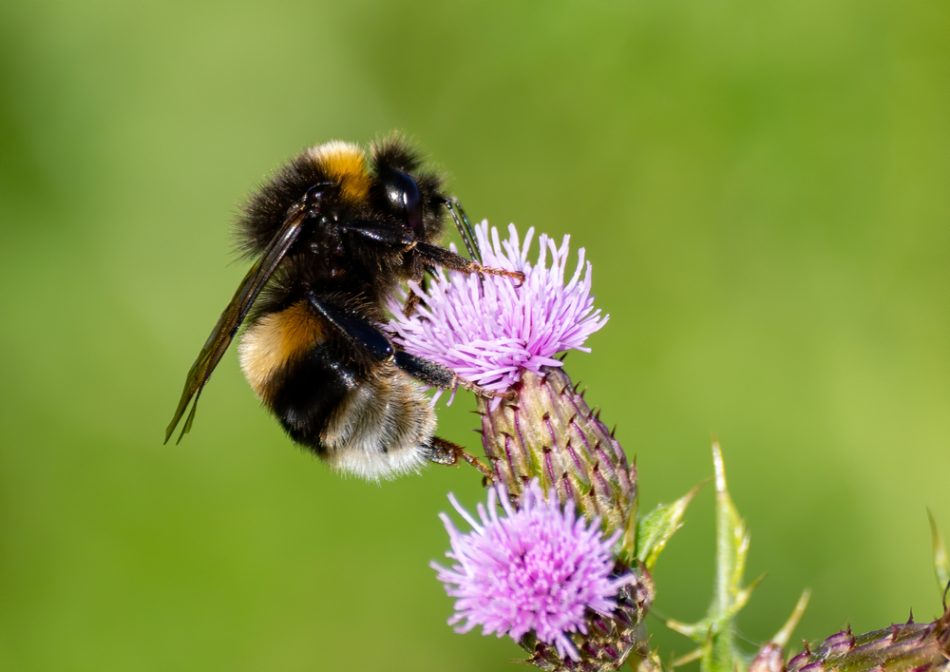
Recently, a study published in Nature Communications reinforced the link between the microbiome and memory. Three laboratories from across the globe, including scientists from Jiangnan University in China, Queen Mary University of London, and the University of Oulu in Finland, collaborated to combine their knowledge. The subject of the experiments was bumblebees. These fuzzy creatures were tested on their memory and learning abilities. The reason the trial was carried out in bees is the fact there are not that many types of bacteria present in their gut, making it easier to narrow down which are responsible for different functions.
Sweet or sour?
The bees were presented with 10 flowers; five of these had a sweet sucrose solution and were uniform in color, and five had a bitter-tasting solution and were all another color. The scientists noted down how fast the bees were able to learn which colors were associated with a favorable and unfavorable taste. After three days, the researchers carried out the same test in order to judge the bees’ memory capacity.
Which bacteria influenced memory?
Different groups of these bees ate different diets in the weeks previous to the study, ensuring a range of bacteria in their microbiomes. Through genetic sequencing of the animal’s guts, the types and quantities of certain bacteria present could be discerned between each individual. The data showed that Lactobacillus apis was the most present bacteria in bees with enhanced memories.
To confirm that bacterial species really did have an impact on memory, all the bees had this bacteria added to their diet. Their response to the task was measured again, and the results showed the same conclusion. Dr. Li Li, the lead author of the study based at Jiangnan University, stated: “Our results suggest not only that the natural variation in the amount of a specific gut bacterium affects memory, but also show a causal link — that by adding the same bacterial species to a bee’s diet can enhance their memories.”
Does this translate to humans?
Not only could this research possibly assist the conservation of threatened bumblebee populations, but it may even be relevant to humans. “This is a fascinating finding that could apply to humans as well as to bumblebees. Our findings add to growing evidence of the importance of gut-brain interactions in animals and provide insights into the cause of cognitive differences in natural bumblebee populations,” said co-author Professor Lars Chittka from the Queen Mary University of London.
Further research in humans needs to be carried out to see if it really translates, but is an exciting and promising start. Understanding more about the microbiome and cognitive ability may be able to help in deeper understanding, prevention, and cures of neurological diseases.
Source study: Nature Communications – Gut microbiome drives individual memory variation in bumblebee