


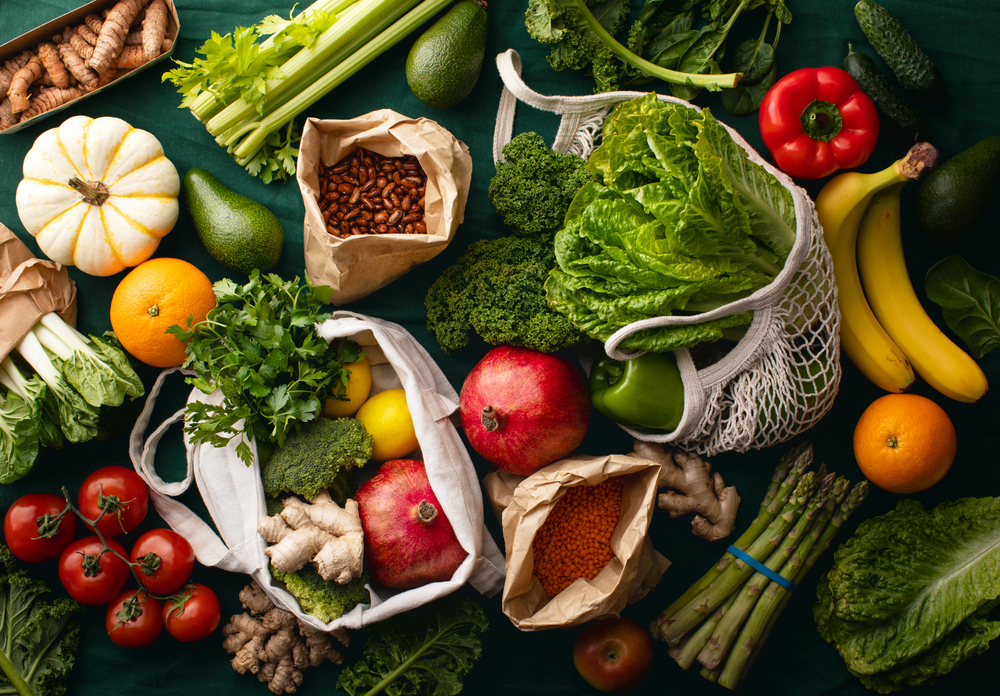
While the health benefits of a plant-based diet are well known, a recent pioneering study on identical twins has confirmed these advantages. Stanford University’s groundbreaking study, which included 22 sets of identical twins, highlighted the outstanding benefits of adopting a vegan diet over a traditional omnivore one.
Redefining dietary health through insightful twin research
Professor Christopher Gardner noted the study‘s uniqueness, noting the identical twins’ similarities in habits, appearance, and rapport. This eight-week trial systematically analyzed the impact of a healthy plant-based diet vs a healthy omnivorous diet, marking an important milestone in nutritional research.
Comparing dietary effects: vegan vs. omnivorous
For the first month, participants followed a controlled meal plan with tailored nutritionist-designed meals, followed by self-preparation in accordance with their specified diet directions. Throughout the trial, bloodwork and assessments showed fascinating findings. The vegan diet significantly lowered LDL cholesterol by 15.2 mg/dL more than the omnivore diet, demonstrating the significant cardiovascular advantages.
Furthermore, the vegan group experienced a surprising 20 percent decrease in fasting insulin and lost 4.2 lb (1.9 kg) more than the omnivore group, demonstrating the diet’s holistic influence.
The benefits of adopting a plant-based diet
The study underlined the programs’ dietary similarities, emphasizing vegetables, legumes, whole grains, and the avoidance of processed sugars and carbohydrates. The vegan diet, which excluded all animal products, resulted in remarkable health benefits, whereas the omnivorous diet included fish, chicken, eggs, and dairy.
The fact that 21 out of 22 individuals successfully adhered to the regimen demonstrated its accessibility and potential for widespread health benefits.
Beyond health: The effect of the vegan diet on aging
Excitingly, the study hinted at a promising element that went beyond health benefits. The vegans seemed to be biologically younger than their chronological age. Professor Gardner stressed the diet’s ability to reduce aging by improving gut bacteria and decreasing telomere loss—an attractive path for future research.
A well-balanced approach
Professor Gardner, who has been a “mostly vegan” for decades, emphasizes the importance of including plant-based foods into diets. He urges people to try other vegan cuisines, such as Indian masala and African lentil-based foods, highlighting the delight and variety that this dietary change provides.
While the study does not advocate for full veganism, it does emphasize the effectiveness of eating more plant-based foods to improve cardiovascular health. The findings highlight the importance of decreasing saturated fats, boosting dietary fiber, and maintaining a healthy weight—all of which contribute to overall well-being.
The study, which was published in JAMA Network, represents an important step in encouraging the adoption of plant-based diets for long-term health and vitality.
Source study: JAMA Network— Cardiometabolic effects of omnivorous vs vegan diets in identical twins






