


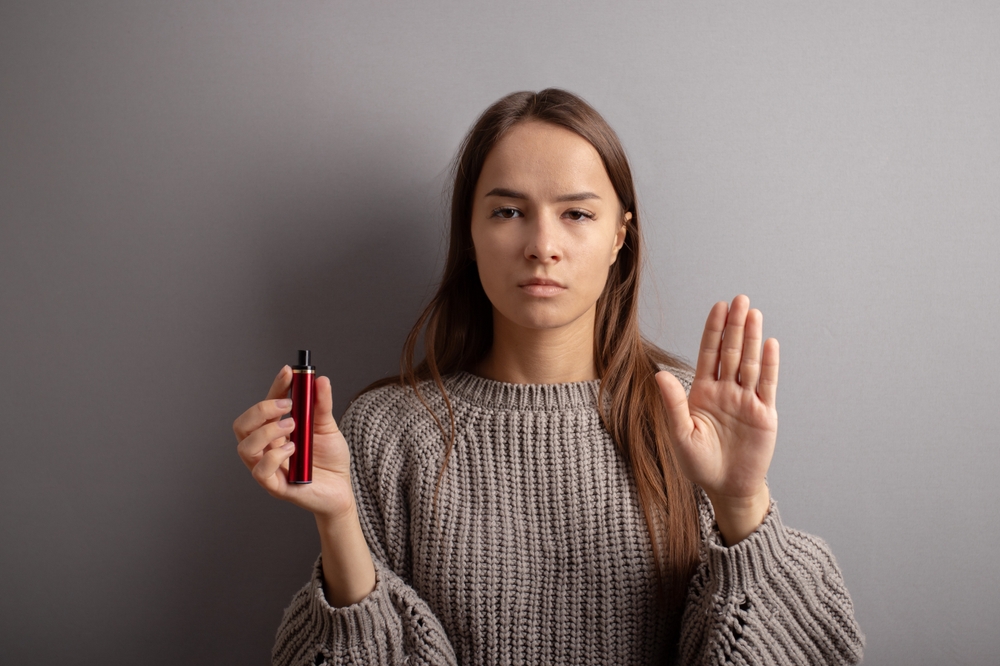
Vaping may have appeared like a better option than smoking at first, but it’s time to acknowledge the health consequences. Vaping can have serious repercussions, ranging from exacerbating asthma symptoms to causing shortness of breath and exhaustion. Volunteer spokesperson and board member for the American Lung Association Dr. Juanita Mora emphasizes that “they want to quit because vaping is making their lives worse.”
Mora’s thoughts represent a typical motive to quit vaping, emphasizing the urgent need for positive change.
Setting the stage for success: select a quit date
Setting a precise quit date is an effective approach to getting started on your quest to a vape-free life. Megan Jacobs of the Truth Initiative emphasizes the motivational value of having a deadline to work towards. This technique not only holds you accountable but also provides a real indicator of your success.
Jacobs goes on to say, “It gives people something to work towards, it keeps them accountable, and it gives them a date to hold on to in their mind.”
Brace yourself: navigating the challenges of quitting
Quitting vaping has several physical and mental obstacles. Recognizing nicotine withdrawal symptoms, such as irritability, sleep difficulties, and cravings, is vital. According to Dr. Mora, “Physical and mental cravings peak in the first week and are at their worst in the first 48 hours.”
The Centers for Disease Control and Prevention underline the importance of understanding that withdrawal symptoms are only transitory.
Analyzing your triggers: shake up your routine
Recognizing when and why you reach for your vape is critical to stopping the habit. Megan Jacobs suggests conducting a thorough review of your routines to form new associations. Engaging in new activities, connecting with friends, and becoming aware of your triggers can all help you quit successfully.
Jacobs underscores the importance of breaking addictive associations, stating, “You’re maybe not aware of the feelings, the people, the places, or different situations that are cueing your brain.”
Keep your hands and mind busy: distraction techniques
Painting, coloring, and knitting are examples of hands-on activities that can be useful distractions. Jacobs recommends grabbing for lozenges, lollipops, or simply messaging a friend when cravings occur. Distraction strategies have been found as effective tools in the quitting process.
Jacobs emphasizes the benefits of distraction, stating that people discover new hobbies by employing the time and resources they previously spent on vaping.
Exploring nicotine replacement methods
Nicotine replacement therapy, which is commonly connected with smoking cessation, is effective for those who want to quit vaping. The program director for the UCSF Addiction Psychiatry Fellowship Dr. Tauheed Zaman suggests using patches, gum, lozenges, nasal spray, or inhalers to treat withdrawal symptoms. Consultation with healthcare professionals ensures that the strategy is appropriate and adapted to the individual’s needs.
Dr. Zaman highlights the necessity of treating withdrawal and nicotine dependence and suggests using nicotine replacement therapy for at least three months after quitting.
Focus on the positive: mental and health benefits
As you embark on this difficult journey, remind yourself of the numerous blessings that await you. Improved breathing, increased attention, less weariness, better sleep, and a lower chance of long-term lung damage are all strong motivators.
Dr. Zaman emphasizes mental health benefits such as increased sleep, lower anxiety, and an overall improved mood, reinforcing the favorable impact of quitting vaping.
Do not despair: dealing with relapse
Relapse is a normal part of the quitting process; the key is not to give up. It is critical to learn from each attempt and experiment with new tactics. Dr. Zaman promotes resilience, saying, “Minimize your use as much as possible and start practicing the steps that helped you quit in the first place.”
Jacobs repeats the concept, noting that relapse is an opportunity to learn what works best for an individual’s specific circumstances.
Quitting vaping is difficult, but with a strategic strategy, support from your network, and a tough attitude, you can overcome the obstacles. Remember that every try yields significant information, and with persistence, living a vape-free life becomes a real possibility.






