


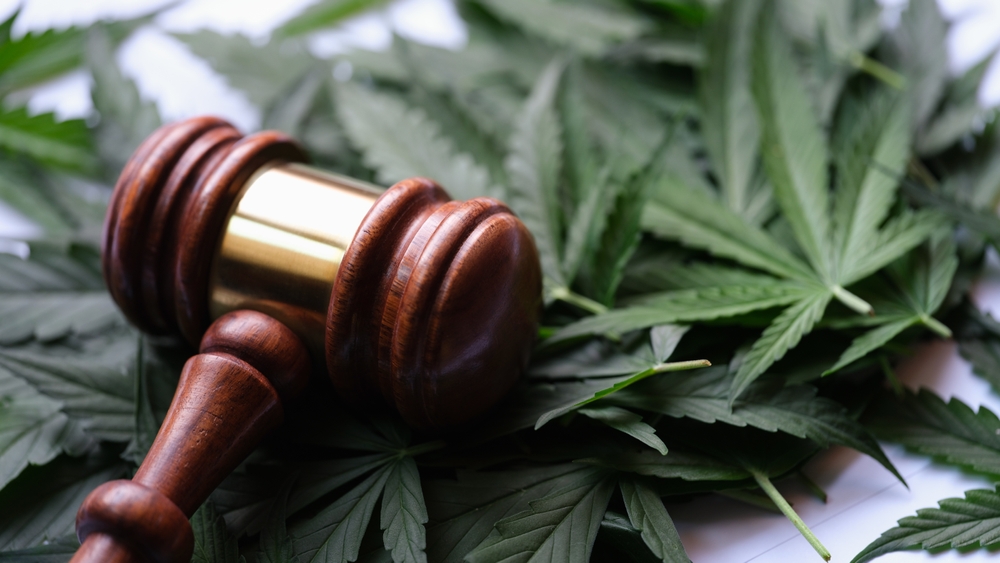
Germany’s parliament, backed by Chancellor Olaf Scholz’s coalition, enacted legislation legalizing cannabis for personal use. This judgment places Germany within a narrow group of countries that have adopted partial legalization, granting individuals and voluntary associations specific rights to cannabis cultivation and possession.
New rights, new limits: the legal landscape explained
The law, enacted following a spirited debate, allows individuals and voluntary organizations to grow up to three cannabis plants for personal use. It allows individuals to possess 50g of cannabis at home and 25g in public. Karl Lauterbach, the Health Minister, articulates the dual objectives, stating, “We have two goals: to crack down on the black market and improve protection for children and young people.”
Debates and divergent views: pros and cons
The parliamentary debate included strong arguments for and against the law. While supporters emphasized the need to combat the underground market and improve youth safety, others, notably Christian Democrat MP Tino Sorge, expressed concerns. Sorge remarked, “You are asserting in all seriousness that by legalizing more drugs we will contain drug use among young people … That is the most stupid thing I’ve ever heard.”
The Minister’s perspective: addressing modern challenges
Minister Lauterbach counters opposition claims, underlining the importance of recognizing the changing picture of drug usage. He cites the rise in cannabis use among young people, as well as the increased potency and impurity of street drugs, emphasizing the importance of taking a proactive approach. “Sticking our heads in the sand” is not an option, Lauterbach claims.
Balancing access and addiction risk
While nearly seven million Germans use cannabis regularly, doctors who are opposed to the legislation change have expressed concerns. They argue that increased accessibility could harm young people’s health, potentially leading to higher addiction rates. Striking a balance between access for medical purposes and public health protection is a critical concern.
Concrete implementation dates and details
The new law, which takes effect on April 1, permits adults to grow up to three plants and possess a limited amount of cannabis. Three months later, legal non-profit clubs will be formed to cultivate and distribute cannabis in a supervised and regulated atmosphere. However, cannabis consumption by anybody under the age of 18 would remain completely prohibited.
Police and state opposition
Germany’s 16 states, responsible for enforcing the law, have expressed worry, with the southern state of Bavaria requesting a rethink. Minister Lauterbach answers concerns about cannabis usage near schools and kindergartens by proposing legislation that would restrict smoking within 100 meters of educational facilities. Police officials anticipate difficulties in implementing the laws, but Lauterbach responds by emphasizing the difficulties in policing the underground market.
European impact: Germany joins the legalization wave
With this vote, Germany becomes the third European Union member to legalize cannabis for personal use, following Malta and Luxembourg. Advocates for medicinal cannabis usage are hoping for a beneficial domino effect, with Europe’s largest economy setting an important example for other countries.






