


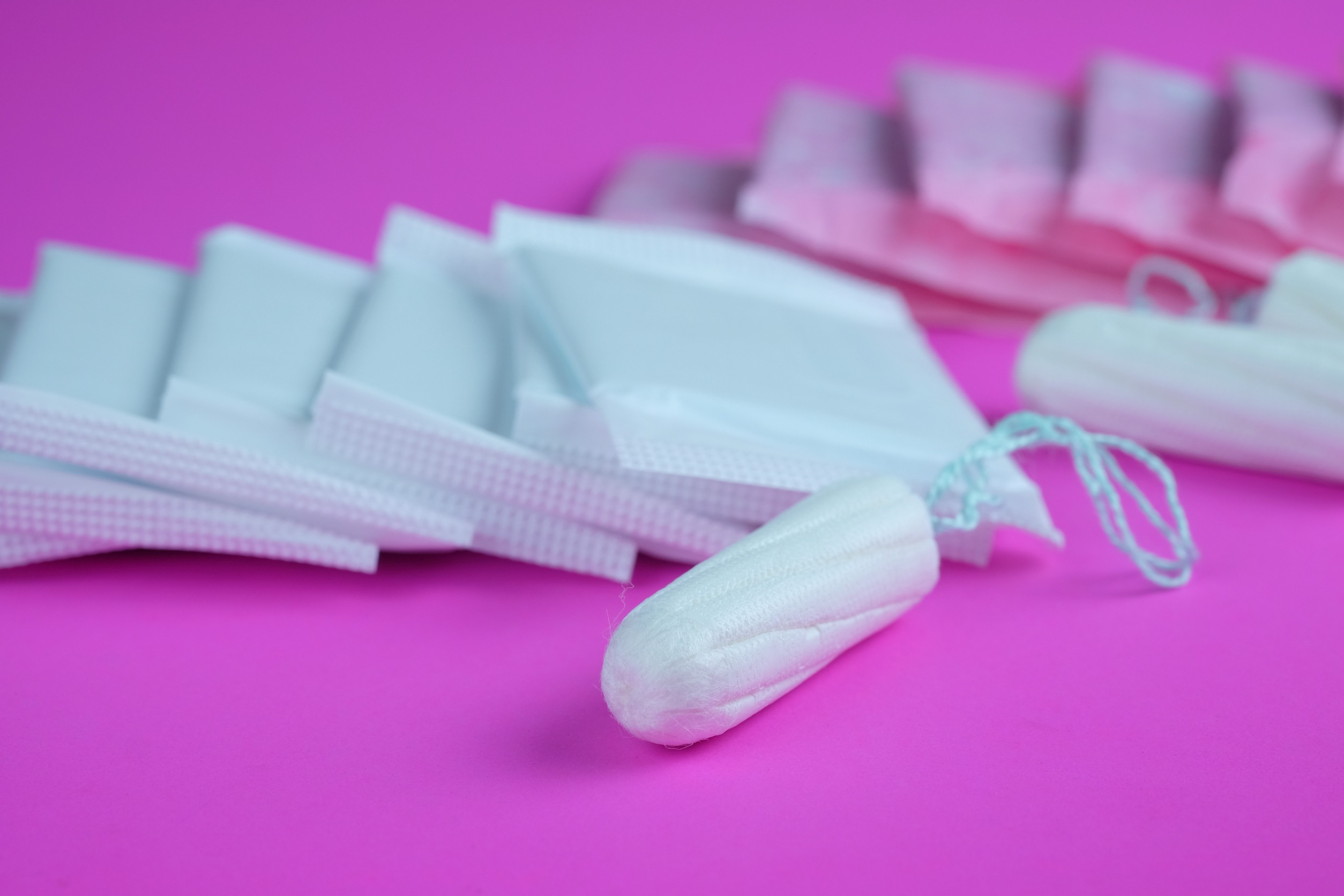
A new federal effort aims to reduce period poverty in Canada’s northern and remote Indigenous communities. According to recent polls, one in every five Canadians struggles to buy period supplies, and the problem is considerably more severe for Indigenous people living in remote locations. According to an Indigenous-led period equity group, 74 percent of Indigenous respondents have difficulty acquiring these critical items.
A right, not a luxury
“We should be making menstrual products as readily available as toilet paper,” asserts Nicole White, founder of Moon Time Connections, the only National Indigenous-led period equity organization in Canada. White, a Métis from Treaty 6 territory, believes that access to menstruation products is a fundamental right.
The federal menstrual equity fund pilot project, which has allocated roughly $18 million to Food Banks Canada, intends to provide free menstruation supplies to low-income people and increase awareness about period poverty. Moon Time Connections will get $2.4 million in financing to target rural and northern Indigenous communities expressly.
Meeting basic needs: the situation in Alberta
In Wood Buffalo, Alberta, 420 kilometers north of Edmonton, the local food bank has noticed a considerable increase in demand. “People are having a hard time supporting just their basic needs. Menstrual items are within that,” explains Michelle Hand, communications and development manager at the Wood Buffalo Food Bank. The food bank, which serves towns as far north as Fort Chipewyan, has seen demand rise from 600 to over 1,000 households every month in the last year.
Hand writes that, while clients can request whatever item they require, the procedure can be difficult, particularly for novices. “It can be a very scary situation that they’re coming into,” she says. “You’re just coming in with so much doubt and depression.”
Moon Time Connections allows people to request things using online forms, assuring discreet and direct service.
Expanding access in Yukon
In Yukon, attempts to enhance access to menstruation products are underway. Heather Sealey, who coordinates volunteers and community programs at the Whitehorse Food Bank, recalls how clients used to have to request sanitary goods. The food bank’s lobby now has a dedicated shelf filled with various menstruation products that are available whenever the lobby is open. “It’s really important for our clients to be able to have a choice to pick the things they want,” Sealey says.
The Council of Yukon First Nations (CYFN) has also been involved in this effort, working with all 14 Yukon First Nations since late 2022 to give free supplies. Shadelle Chambers, Executive Director of CYFN, expresses optimism about the new federal initiative: “We are excited to hear about this new initiative that could have period products be accessible by a lot more Yukon, First Nations, and Yukoners who need this.”
Since late 2022, CYFN has spent $1.2 million to provide menstruation supplies. Moon Time Connections reported a rise in demand, with fresh inquiries from 90 towns in 2024, more than doubling the previous two years. These results highlight the urgent need for more outreach and education.
Nicole White emphasizes the need for cultural teachings about menstruation to help de-stigmatize it, as well as practical education on how to use period products. Organizations such as Moon Time Connections and CYFN are taking a comprehensive approach to solving period poverty and guaranteeing equitable access to menstrual products for everyone.






