


BY THE OPTIMIST DAILY EDITORIAL TEAM
Crowded cabins, dry air, and high-touch surfaces. Does this sound familiar? According to infectious disease specialist Dr. Anthony Ognjan, airplanes make excellent “carriers of the common cold.” And that’s not just alarmist talk. As Dr. Kathleen Mueller from the American Academy of Family Physicians explains, flying means “a lot of people in close proximity for an extended period of time.” And proximity equals potential exposure.
Combine that with humidity levels often below 20 percent, much drier than your typical home environment, and your body’s natural defences start to struggle. “Low humidity can dry out mucus membranes in your nose and throat, creating a much more tolerant environment for germs,” Ognjan says.
But the good news? A few smart tweaks to your in-flight habits can go a long way.
Smart swaps for a healthier flight
Choose your seat strategically
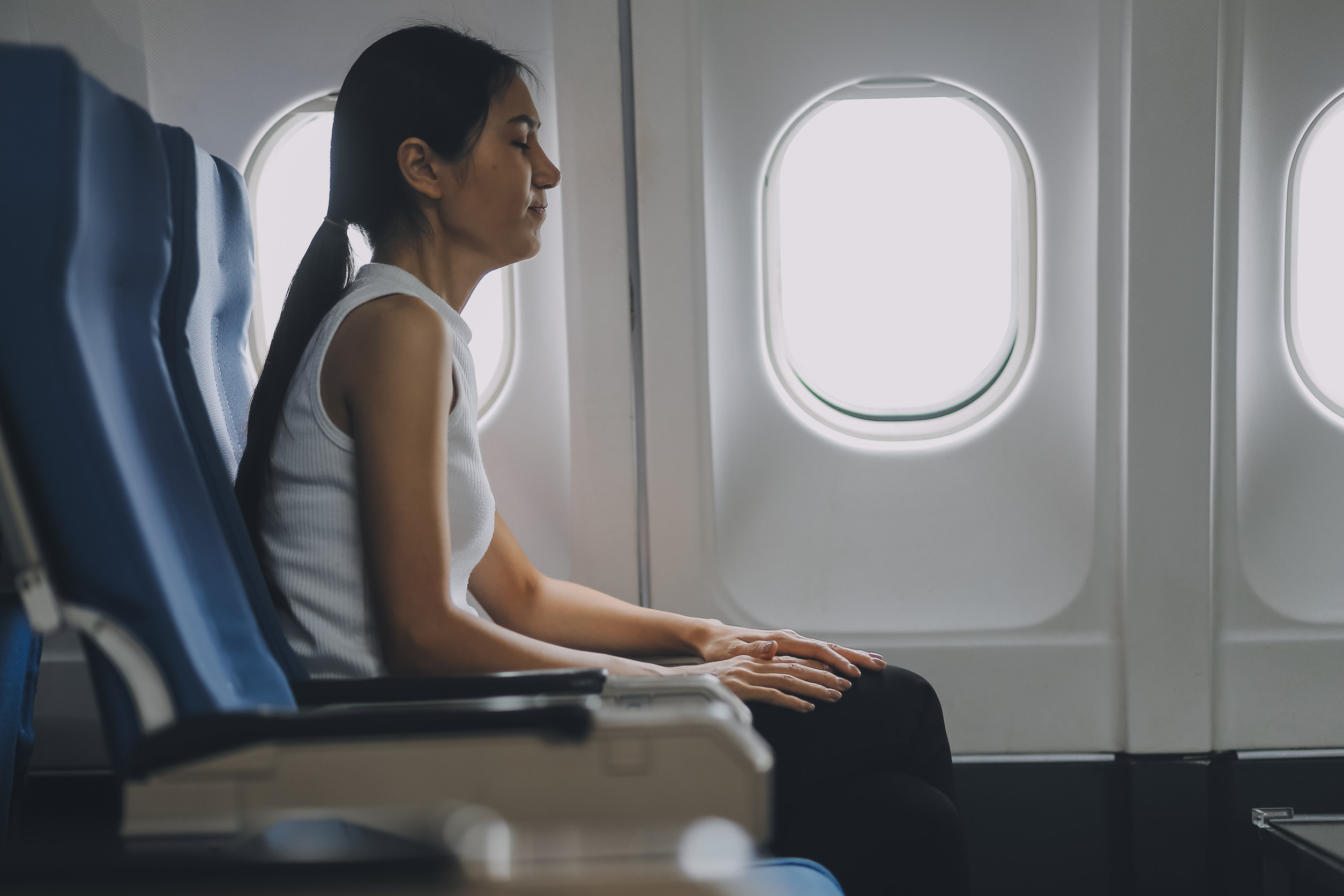
Middle and aisle seats tend to see more foot traffic, which means more people breathing or coughing nearby. “Generally speaking, a window seat will have less contact with other passengers,” Dr. Mueller says. And Dr. Ognjan notes that seats in the back row offer even more protection, as “they prevent you from being breathed or coughed on from behind.”
Pre-flight pit stop
Use the airport restroom before boarding so you can avoid using the plane’s compact lavatories. “They’re not cleaned mid-flight,” Dr. Ognjan points out, and you never know who (or what) came before you.
Wipe it down
Tray tables, armrests, and seatbelt buckles are some of the most-touched and least-cleaned spots on a plane. Dr. Ognjan recommends disinfecting your area with proper sanitizing wipes (not baby wipes). “Germs can survive for hours or days after the passenger who brought them on board has departed,” he warns.
Sanitize often
Carry a small bottle of hand sanitizer and use it regularly, especially before meals or after touching communal surfaces like overhead bins. “Not sanitizing your hands and then touching your eyes, nose, or mouth is one of the most likely ways to get sick while flying,” says Dr. Ognjan.
Hydrate wisely
Skip the coffee and cocktails, tempting though they may be. “Even though it can be tempting, I recommend passing on the caffeine or alcohol, which can dehydrate you in already-dry air,” Dr. Mueller advises. Stick with water to keep your system strong.
Consider masking up
Yes, airplanes have air filtration systems, but masks still offer solid protection, especially on longer flights or if you’re sitting near someone who’s clearly under the weather. “A mask can help protect you from airborne germs,” Dr. Ognjan says. Dr. Mueller adds it’s particularly smart if you’re immunocompromised.
Stay proactive, stay well
Staying healthy while flying isn’t a matter of luck. It’s about taking small, thoughtful steps. “It is possible to travel without getting sick, especially if you take the right precautions!” says Dr. Mueller. And if you’re the one with a cough or cold? A little courtesy goes a long way. Mask up, and aim for the elbow if you sneeze.
Whether you’re flying for business or vacation, a few mindful habits can help ensure you land feeling refreshed, not run-down.






