


BY THE OPTIMIST DAILY EDITORIAL TEAM
September is shaping up to be a month where the sky itself feels like a calendar of wonders. A total lunar eclipse, bright planets at their peak, and even a rare solar spectacle are just a few of the reasons to step outside after dark. Whether you’re an experienced stargazer or someone who simply loves the quiet awe of the night sky, this month offers ten celestial events worth circling on your calendar.
September 7: a blood moon and the corn moon
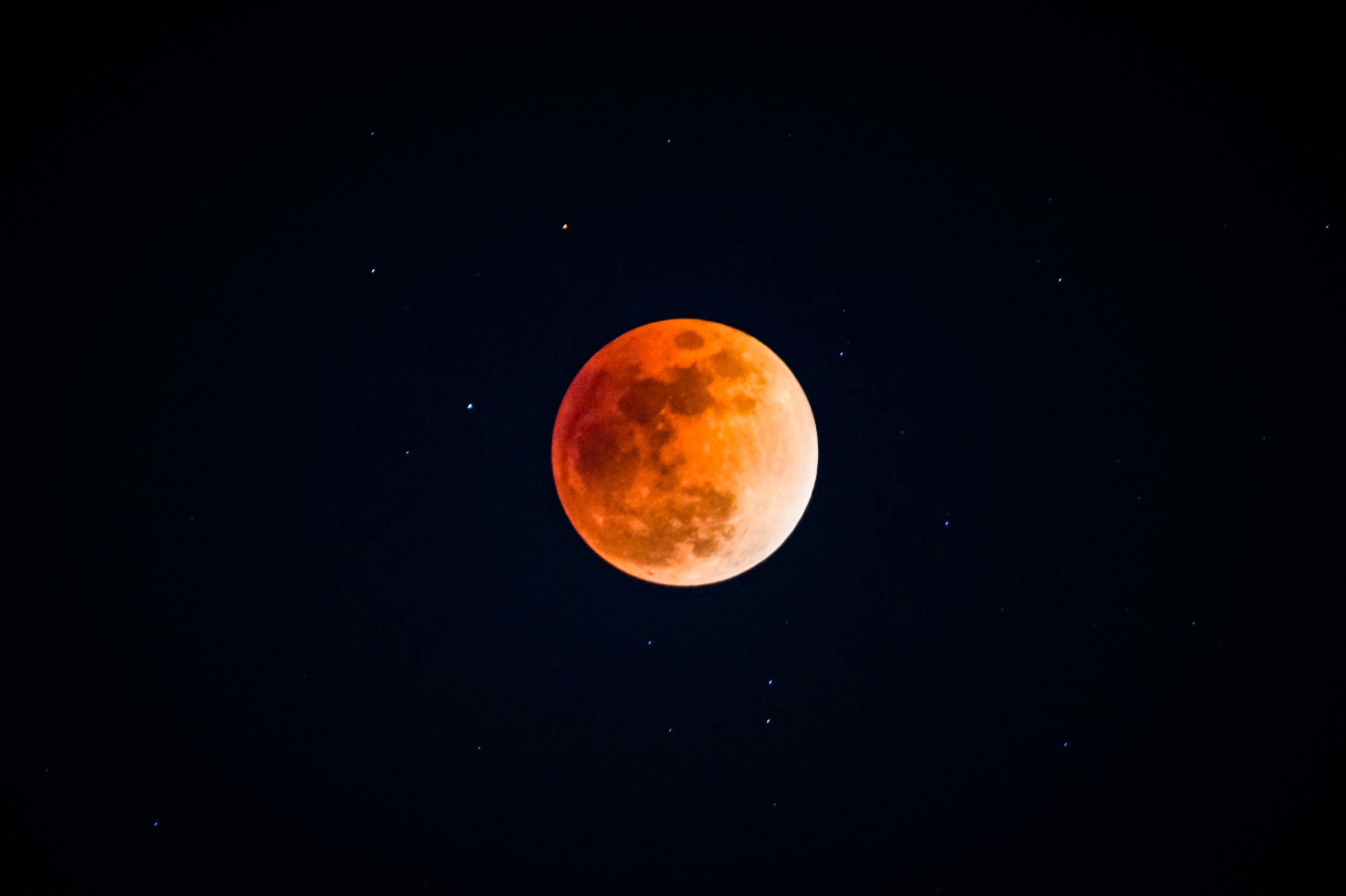
The month begins with drama: on September 7, the moon will slip into Earth’s shadow for a total lunar eclipse, glowing deep red for 82 minutes (17:30 to 18:53 UTC). Visible across much of Asia, the east coast of Africa, and western Australia, this “blood moon” eclipse is a reminder of just how dynamic the heavens can be.
Meanwhile, the rest of the world can enjoy September’s full “corn moon.” Rooted in North American Indigenous traditions, the name marks the harvest season, a fitting time to pause and take stock under a glowing sky.
September 8: a cosmic trio
On the following night, the moon joins Saturn and Neptune in a striking lineup. Saturn will be easy to spot with the naked eye, while Neptune requires binoculars or a telescope. The three will travel together across the sky, peaking in visibility just after midnight.
September 16: the moon meets Jupiter
Early on September 16, look east to see a waning crescent moon passing close to Jupiter. With binoculars or a telescope, you may glimpse Jupiter’s four largest moons, which appear as tiny points of light circling their giant host.
September 19: Venus slips behind the moon
Venus, the “morning star,” will tuck behind the moon in a celestial hide-and-seek known as an occultation. Visible across Europe, Greenland, Canada, and Africa, the rest of the world will still see Venus shining close to the moon in the predawn hours.
September 21: darkness brings the Milky Way
With the new moon on September 21, the night sky will be free of lunar light, perfect for deep-sky viewing. From the Northern Hemisphere, this is prime Milky Way season, with the galaxy’s glowing core visible to the naked eye. Saturn also reaches its brightest point that night—opposition—shining steadily from dusk to dawn.
September 22: a partial solar eclipse
In the South Pacific and parts of Antarctica, the sun will briefly dim as the moon covers up to 85 percent of its disk. For the 16.6 million people within view, it’s a reminder to keep eclipse glasses handy! You should never look at the sun without protection.
September 23: Neptune at opposition
The farthest planet in our solar system reaches its brightest point, though “bright” is relative; it remains invisible to the naked eye. Through a telescope, Neptune will appear as a faint dot against the dark sky. A slim crescent moon ensures minimal light interference.
September 24: pearls in the sky
In the Southern Hemisphere, skywatchers can seek out the “string of pearls” galaxy, or NGC 55. Its irregular glow will reach its highest point at midnight, rewarding telescope users with a view of a galaxy that defies tidy classification.
September 27: a glittering cluster
Closing the month is 47 Tucanae, the second-brightest globular cluster in the night sky. Best seen from the Southern Hemisphere, it appears as a fuzzy patch to the naked eye but reveals itself as a dense ball of hundreds of thousands of stars through binoculars or a telescope.
Why September is special
What makes this month remarkable isn’t just the lineup of events but the reminder that wonder is never far away. A full moon, a glimpse of Saturn’s rings, or a simple stretch of the Milky Way overhead can be enough to stop us in our tracks and look up.
So grab a blanket, a pair of binoculars if you have them, and a sense of curiosity. The sky has a full storybook waiting to be read this September.






