BY THE OPTIMIST DAILY EDITORIAL TEAM
Dementia research is evolving quickly, and the latest findings offer more actionable steps for prevention. A 2024 report in The Lancet has added two more items to the list of modifiable risk factors for dementia: untreated vision loss and high cholesterol after age 40.
This brings the total number of known modifiable risk factors to 14, which collectively account for nearly half (about 49 percent) of dementia cases worldwide, according to researchers from The Lancet Commission.
“It makes a lot of mechanistic sense,” said Dr. Arman Fesharaki-Zadeh, a behavioral neurologist and neuropsychiatrist at Yale Medicine. While not involved in the report, he underscored how vision loss and cholesterol levels are often linked with other health conditions that harm brain health, such as high blood pressure and diabetes.
The new additions: vision loss and high cholesterol
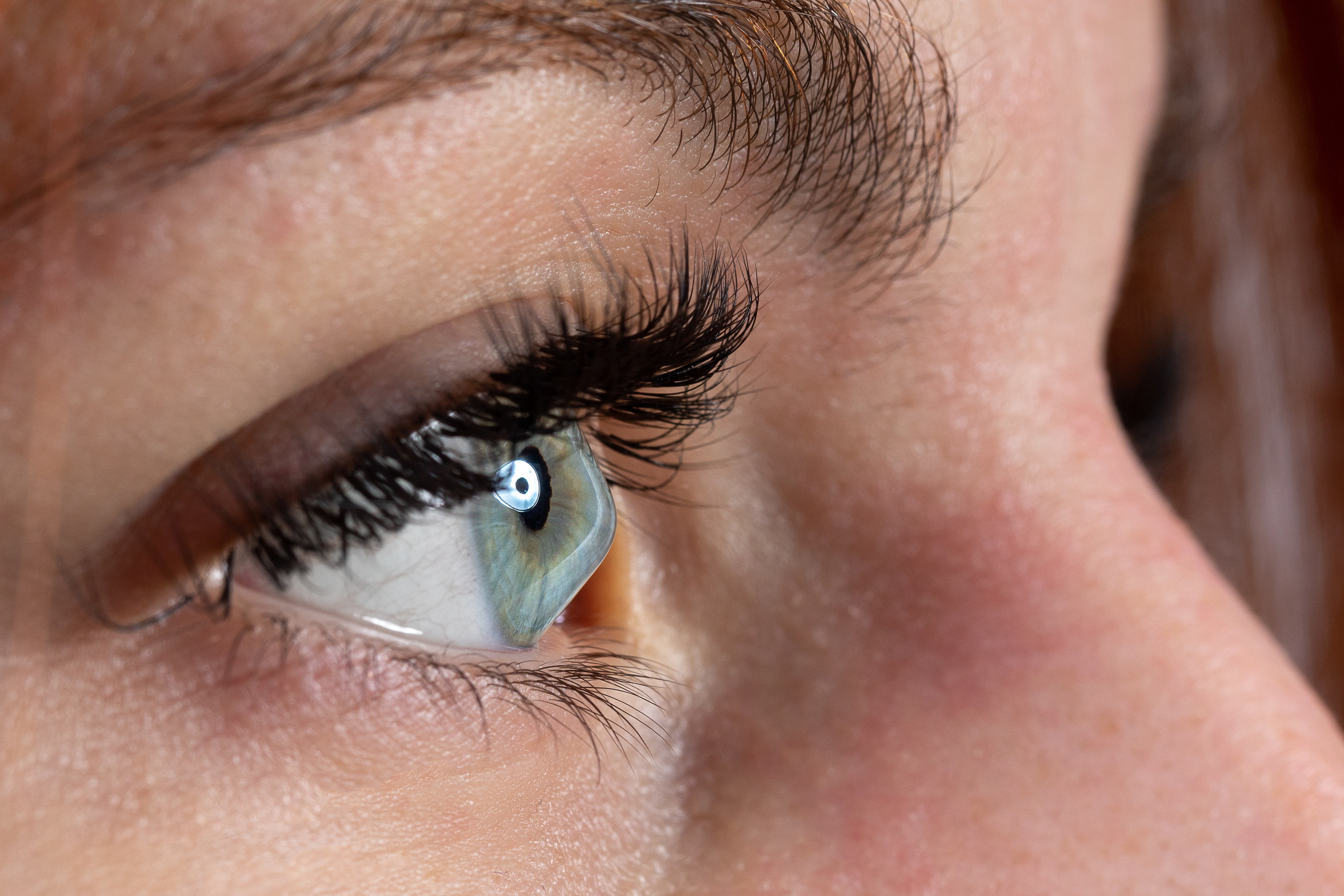
According to the researchers, vision loss doesn’t just affect eyesight. It can reduce the quality of life and lower participation in cognitively stimulating activities like reading, puzzles, and socializing. These are all activities known to strengthen brain resilience over time.
Meanwhile, high levels of LDL (“bad”) cholesterol can damage blood vessels in both the heart and brain, making it harder for oxygen to reach vulnerable areas of the brain. “Dementia is essentially an end product of neurons dying out,” explained Fesharaki-Zadeh. “It’s a neurodegenerative process.”
This damage can be compounded by related conditions like high blood pressure and uncontrolled diabetes, all of which harm the vascular system and accelerate cognitive decline. “What affects your heart will affect your brain, and we see that time and time again,” he added.
All 14 known modifiable dementia risk factors
Researchers now identify the following 14 risk factors as modifiable contributors to dementia:
- Physical inactivity
- Smoking
- Excessive alcohol consumption
- Air pollution
- Head injury
- Infrequent social contact
- Less education
- Obesity
- Hypertension
- Diabetes
- Depression
- Hearing impairment
- Untreated vision loss
- High cholesterol after age 40
These factors were established by analyzing recent meta-analyses: 14 studies on vision loss and 27 on cholesterol.
Start with your primary care provider
The good news is that you can take steps to reduce your risk, and you don’t have to do it alone. “I cannot highlight the importance of a collaborative model between primary care physicians and specialties,” said Fesharaki-Zadeh.
He encourages patients to have early and ongoing conversations with their doctors, especially in midlife. “The front line of medical care are primary care physicians,” he noted. Working with them can help you identify issues like high cholesterol or high blood pressure early, before they cause harm. Treatment options may include medication, lifestyle changes, or both.
Your doctor can also talk you through genetic testing or new tools that detect early signs of neurodegeneration. Even if you already have early-stage dementia, addressing risk factors can slow its progression.
“Up to 40 percent of dementias are potentially preventable,” Fesharaki-Zadeh said. “And if you’ve already been diagnosed, tackling metabolic risk factors may help slow things down.”
It’s never too late to support your brain
Whether you’re in your 40s or 90s, new habits can still help. “Our brains are highly malleable,” Fesharaki-Zadeh said. “So if you decide to make healthy lifestyle changes at any point, your brain will respond and be healthier for it.”
It might start with something as simple as a cholesterol test or an eye exam. Two small steps that could make a big difference.
Source study: The Lancet—Dementia prevention, intervention, and care: 2024 report of the Lancet standing Commission