BY THE OPTIMIST DAILY EDITORIAL TEAM
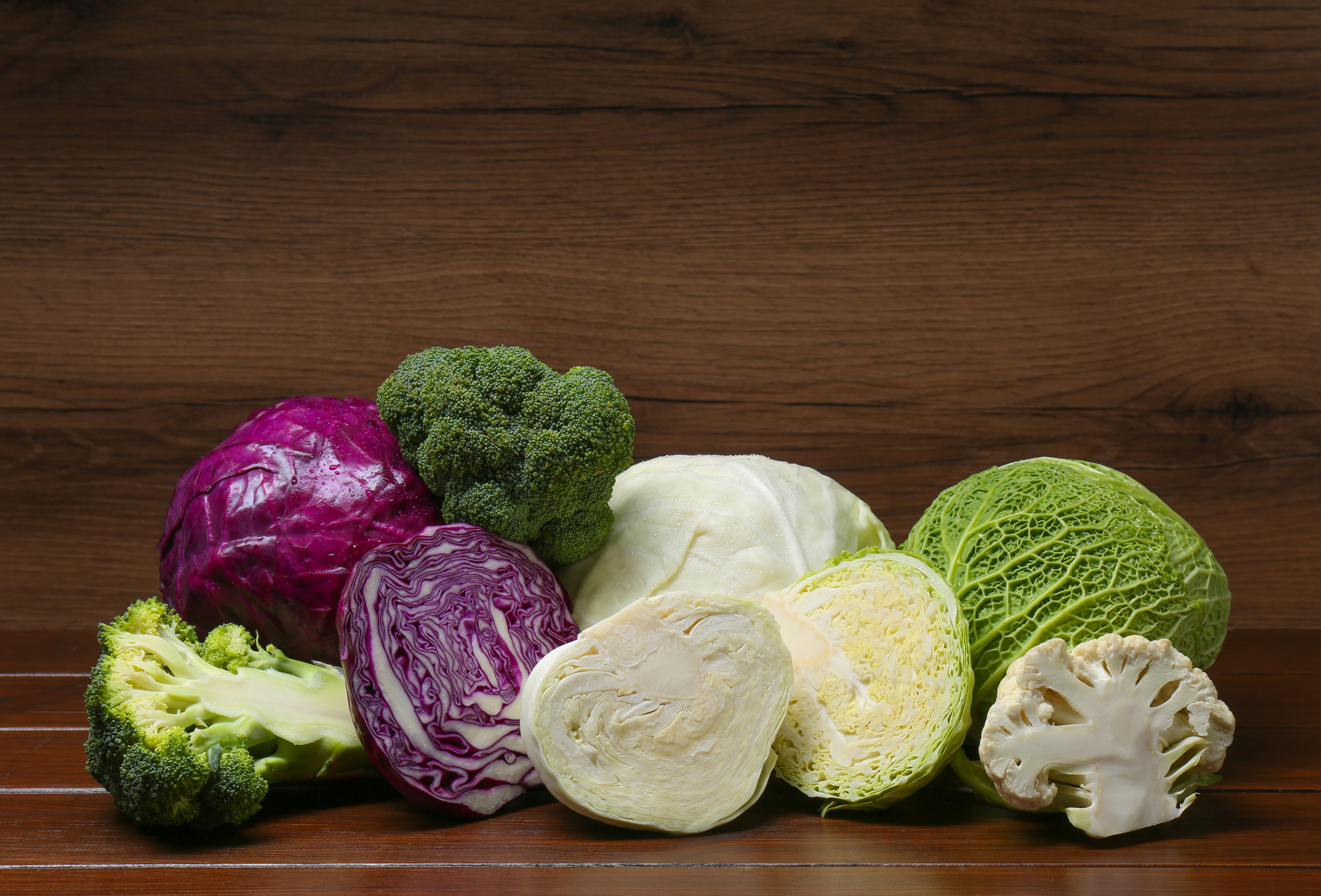
Cruciferous vegetables have long had a reputation for being the overachievers of the produce aisle. But new research from Australia’s Edith Cowan University (ECU) is giving them even more bragging rights, especially when it comes to blood sugar control.
In a small but closely monitored study, researchers found that eating just four servings of cruciferous veggies a day helped reduce blood sugar spikes and fluctuations in older adults. And the effect was not only immediate but impressive.
The science behind the crunch
“We found that, when participants consumed the cruciferous vegetables, they had less variable blood sugar levels compared to when they consumed the root and squash vegetables,” explained Emma Connolly, lead researcher at ECU. “We also noted that these participants had a smaller spike in sugar levels after the meals.”
The participants were all around 68 years old on average, and were equipped with continuous glucose monitors and rotated between diets rich in cruciferous vegetables (like broccoli, cauliflower, and kale) and those with starchy veggies (like potatoes and pumpkins) over two-week periods. The goal is to smooth out blood sugar highs and lows, a cornerstone of good health, especially for people with or at risk for type 2 diabetes.
“Stable blood sugar, with minimal peaks and less fluctuations, is associated with better overall health and wellbeing,” Connolly added.
Four cups a day keep the spikes away
Thankfully, it doesn’t take a truckload of vegetables to make a difference. Just four servings per day, which amounts to around 1.5 cups or 300 grams, were enough to see benefits. Cruciferous vegetables are also low in calories, high in fiber, and packed with nutrients, making them an easy addition to most meals.
Researchers aren’t entirely sure what causes the blood sugar-flattening effect, but natural compounds like sulforaphane are likely key players. More research is needed, but the early findings are promising.
More than just blood sugar benefits
This isn’t the only gold star cruciferous veggies have earned lately. In recent years, studies have shown:
- Eating just 20 to 40 grams of cruciferous vegetables per day may reduce colon cancer risk by 20 percent.
- A two-week cruciferous veggie plan significantly lowered systolic blood pressure in middle-aged and older adults.
“Even more concerning is that cruciferous vegetables are among the least consumed vegetables,” said nutritionist Lauren Blekkenhorst. That’s a big missed opportunity, considering their benefits.
But what about the, uh, side effects?
Yes, cruciferous veggies do have a bit of a reputation, mainly for causing gas. Blame it on raffinose and other complex sugars that don’t fully digest until they reach your gut microbes, who celebrate their arrival with a fermentation feast.
Fortunately, cooking and blending can make these veggies easier to digest. According to McGill researchers, heat helps break down indigestible carbohydrates, while blending (say, in a soup or smoothie) softens fiber and cell walls.
Don’t underestimate the power of plants
While the latest ECU findings are observational and based on a small group, they add to the growing body of evidence that cruciferous vegetables are nutritional powerhouses.
“Continued investigation will be crucial to determine how these vegetables can be effectively incorporated into dietary recommendations for improved blood sugar regulation and overall health management,” Connolly said.
But you don’t have to wait for the next scientific paper to get started. Adding a few florets of broccoli or handfuls of kale to your plate might just be the simplest, tastiest way to show your body some love.
Source study: Diabetes, Obesity and Metabolism—Cruciferous vegetables improve glycaemic control compared to root/squash vegetables in a randomized, controlled, crossover trial: The VEgetableS for vaScular hEaLth (VESSEL) study