


BY THE OPTIMIST DAILY EDITORIAL TEAM
If you’ve ever tried to become more disciplined by sheer force of will, you already know it’s exhausting. All of the habit trackers, early alarms, and self-help podcasts can be overwhelming. And, honestly, kind of joyless.
But what if there were a sneakier, more satisfying way to become that disciplined version of yourself… without having to micromanage your every move? Enter: hobbies.
Yes, hobbies. Those fun little side quests that light you up and—surprise!—actually help you grow in the background. “Self-improvement doesn’t always have to be a front-and-center project,” as Alice Boyes, Ph.D., author of The Anxiety Toolkit and The Healthy Mind Toolkit, points out. Sometimes the most powerful personal growth happens indirectly, while you’re just out there doing your thing.
Let’s explore five types of hobbies that quietly build self-discipline without making your life feel like boot camp.
What makes a hobby secretly productive?
Not all hobbies are created equal when it comes to building discipline. The ones that truly work their magic usually do one (or more) of the following:
- Crowd out unhelpful behaviors
- Create routines and structure
- Demand responsibility and safety
- Build resilience through exertion
- Help shape a more disciplined identity
The best part is that you don’t have to adopt a monastic lifestyle or wake up at 5 a.m. for this to work. These hobbies meet you where you are and gradually nudge you forward.
1. The kind that crowds out bad habits
One of the easiest ways a hobby helps you level up is by giving you a reason to say no to stuff that doesn’t serve you.
Let’s imagine a woman named Maya. Maya signs up for a Sunday morning pottery class she loves. Suddenly, her Saturday nights shift. Instead of staying up doomscrolling until 2 a.m., she’s in bed by 11 because she wants steady hands for the wheel. No “I should really sleep more” pep talks needed, she just ends up reprioritising things naturally.
Or consider someone who picks up an expensive but rewarding hobby such as photography or scuba diving. Suddenly, budgeting becomes less of a drag and more of a strategy to afford what really matters. You’re not forcing good behavior; your interests are reshaping your choices.
2. The kind that builds routines (sneakily)
Hobbies can also bring rhythm to your life, especially if they involve consistent times, places, or rituals.
Walking your dog every evening isn’t just good for the pup; it also gives your day an anchor. That kind of reliable structure can snowball into better sleep, healthier meals, or just a greater sense of calm. You didn’t try to be more disciplined; you simply had something to show up for.
3. The kind that demands responsibility
If your hobby involves risk (think rock climbing, motorcycling, flying), it comes with procedures that have to be followed. These aren’t optional; they’re how you stay safe.
This is where discipline starts to seep into other areas of life. When you’re used to checking gear, reviewing safety checklists, or leading a group, those habits of diligence and accountability don’t just switch off when you leave the activity. You start thinking more intentionally across the board.
4. The kind that builds a tolerance for effort
Hard hobbies, physically demanding ones especially, teach you how to sit with discomfort. That breathless moment on a long run. The burn of a final set. The tangle of frustration when you’re learning a new skill.
This kind of exertion trains your brain to differentiate between this is hard and this is bad. That’s huge for anyone (especially those with anxiety) who tend to avoid anything that feels even remotely uncomfortable.
And research backs this up: people who engage in regular physical activity tend to show more follow-through in other areas like household chores, budgeting, and schoolwork. Turns out, sweat pays dividends.
5. The kind that shifts how you see yourself
Here’s where things get really interesting. Hobbies can very sneakily reshape your identity.
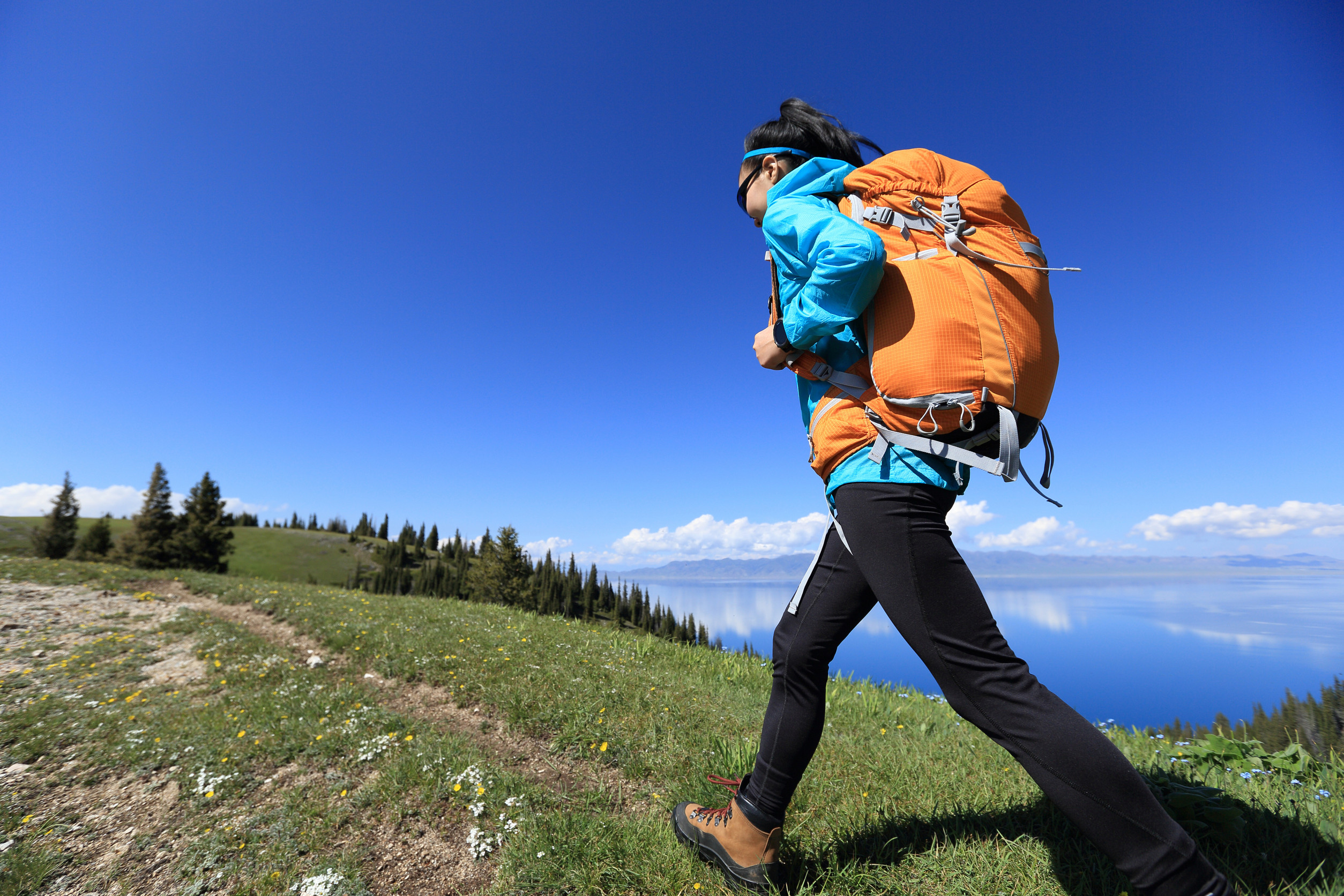
You’re not just someone who likes hiking; you become a hiker. Not just someone who helps out at community theater; you’re now a stage manager. That shift in how you see yourself can spark more responsibility, more confidence, and, yes, more discipline.
The breathing room you actually need
Quick PSA: if you’re going to start a hobby, don’t expect to wedge it in at the tail end of an already overflowing day. That’s a fast track to burnout.
Starting something new takes some time, of course, but just as importantly, it takes up mental space. You’ll need a weekend morning, a no-guilt evening, or even just one day a week where you’re not chasing productivity for productivity’s sake.
Once a hobby is part of your rhythm, it’s easier to maintain. But getting it off the ground will require giving yourself some room to breathe.
Indirect > intense
You don’t need to adopt a strict morning routine, download seven habit-tracking apps, or suddenly become “that disciplined person.” You just need something you love doing that naturally pulls you forward instead of pushing you around.
As Boyes so wisely puts it: “Better self-discipline can be a byproduct of finding a hobby you love and allowing it to shape you.”
That’s the kind of self-improvement that sticks: the kind that feels most like you becoming you.






