BY THE OPTIMIST DAILY EDITORIAL TEAM
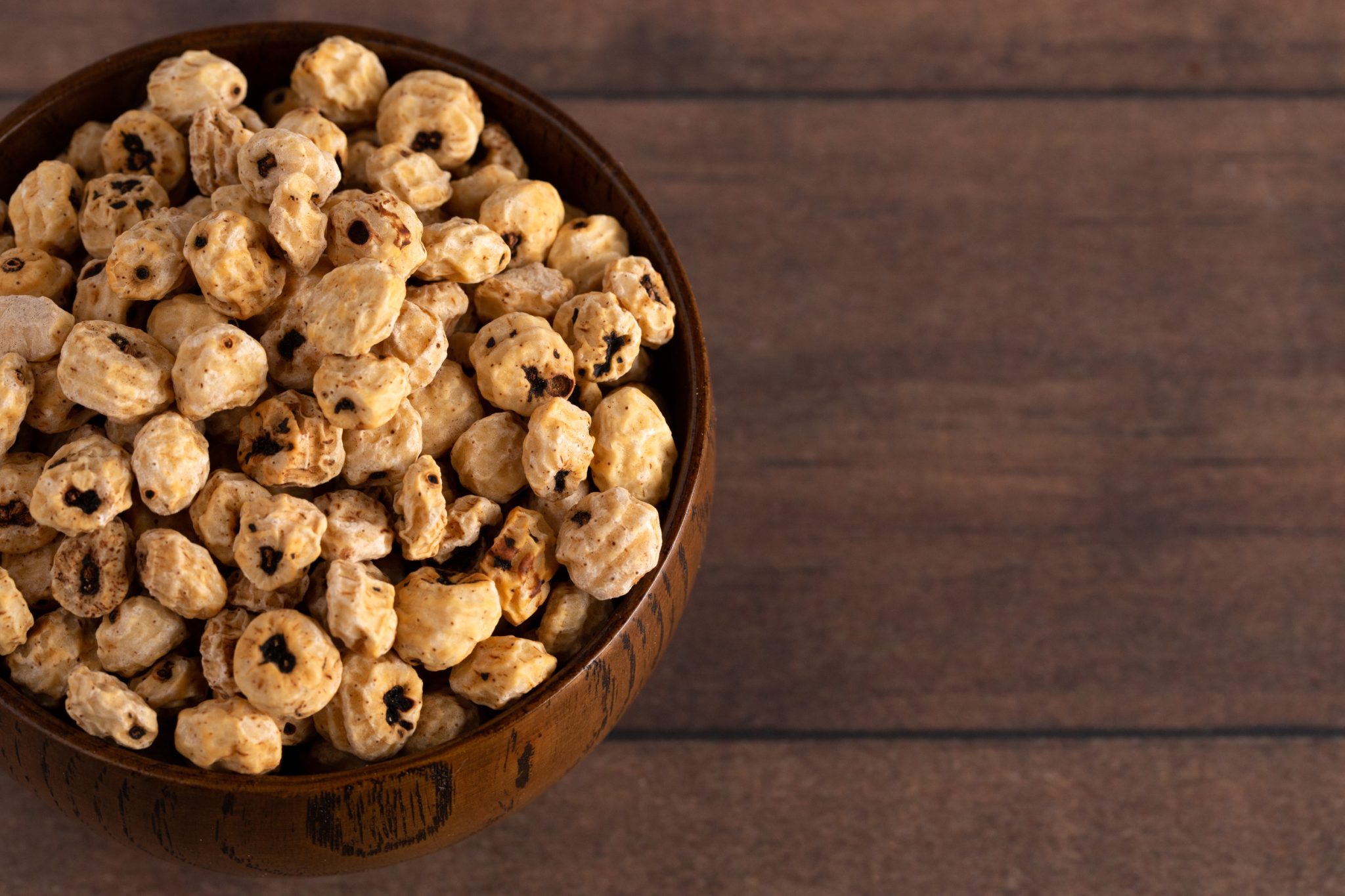
They may look like shriveled chickpeas and carry a name that sounds like a novelty snack, but tiger nuts are quietly becoming a go-to superfood for health-conscious eaters. While they’ve long been a dietary staple in parts of Africa and Spain, the rest of the world is only now catching on. It turns out, they’re packed with surprising benefits.
So what exactly is a tiger nut? Despite the name, it’s not a nut at all. Tiger nuts are tubers, a small, nutrient-dense root vegetables from a plant known as Cyperus esculentus, and they just might be the fiber-rich addition your gut and your grocery list have been looking for.
Why dietitians are giving tiger nuts a second look
Tiger nuts might be small, but they’re impressively versatile. You can eat them whole, grind them into flour, blend them into milk (a popular drink called horchata de chufa in Spain), or even cook with tiger nut oil. Whether sprinkled on yogurt or baked into muffins, these humble tubers are earning big praise for their nutrient profile.
Registered dietitian Lisa Moskovitz, CEO of NY Nutrition Group, says tiger nuts “check all the boxes for a balanced, health-promoting plant food.” She points to their high fiber content and antioxidant levels as standout features.
“These are very well-rounded,” Moskovitz says. “They offer a great source of digestion-regulating fiber and disease-fighting antioxidants.”
Not a nut, but still a nutritional powerhouse
While tiger nuts may taste similar to almonds and are often grouped with nuts and seeds, they’re a root vegetable, making them a great option for people with nut allergies or gluten sensitivities.
That said, don’t count on them for protein. “They are not an efficient protein source,” explains Alissa Palladino, an Atlanta-based registered dietitian and personal trainer. Their strength lies in fiber — and plenty of it.
The health benefits of tiger nuts
Fiber for gut health and more
A single ⅛-cup serving of ground tiger nuts packs five grams of fiber, or about 17 percent of your recommended daily intake, all in just 70 calories.
“Pretty much every health condition is affected by fiber,” Palladino says. “Fiber helps with digestion, alleviates constipation, and adds bulk to stool.” In short, it keeps things moving and your gut microbiome thriving.
Because of their fiber density, it’s best to ease tiger nuts into your diet gradually. Too much too soon can lead to bloating or constipation, which is the opposite of what you’re going for. “And don’t forget water,” Palladino adds. Staying hydrated helps fiber do its job.
Consistently getting 25 to 30 grams of fiber daily can support blood sugar stability, healthy cholesterol levels, and even help manage weight. There’s also growing evidence linking high-fiber diets to reduced colon cancer risk.
“A healthy microbiome influences almost every system in the body,” Moskovitz says, underscoring fiber’s wide-reaching benefits.
Antioxidants that protect your cells
Beyond fiber, tiger nuts are also rich in antioxidants, compounds that help protect cells from damage caused by oxidative stress. That matters for everything from long-term disease prevention to hormone regulation and metabolic health.
Preliminary research, including some promising animal studies, suggests that tiger nuts may support liver function, help regulate hormones, and protect intestinal health. Antioxidant-rich foods like tiger nuts are also being studied for their role in reducing the risk of chronic conditions over time.
Even traditional recipes like horchata made from tiger nuts have shown metabolic health benefits in early studies.
How to add tiger nuts to your diet
If you’re ready to try tiger nuts, you may need to go beyond your local grocery store, but not far. They’re widely available through popular online retailers and specialty food shops.
You can buy them raw, roasted, ground into flour, or pressed into oil. For raw tiger nuts, soaking them overnight helps soften the texture and improve digestibility.
Here are a few simple ways to try them:
- Toss whole tiger nuts into your yogurt, cereal, or homemade trail mix
- Blend soaked tiger nuts into a smoothie
- Use tiger nut flour in place of wheat flour for baking
- Try tiger nut oil in salad dressings or low-heat cooking
For those managing diabetes or avoiding gluten, tiger nut flour can be a smart swap. Palladino notes it’s a great alternative to nut-based or wheat flours because of its naturally high fiber and low glycemic impact.
Ancient tuber, modern superfood
Once a traditional ingredient used for centuries, tiger nuts are now entering the spotlight as a gut-friendly, plant-powered addition to modern diets. They might not replace your favorite snack or smoothie ingredient overnight, but adding them to your rotation could be a small step toward better digestion, blood sugar stability, and long-term health.
After all, when one little tuber offers this much fiber and flavor, it’s worth making space in the pantry.
Did this story stand out? Share it with a friend or support our mission by becoming an Emissary.