BY THE OPTIMIST DAILY EDITORIAL TEAM
High fruit intake is associated with many wonderful health benefits, like protecting our lungs from air pollution and lowering diabetes risk. But did you know it’s also linked to a seven percent lower risk of breast cancer? The compounds driving that association, according to Natalie Ledesma, M.S., RDN, an oncology dietitian at the University of California, San Francisco Helen Diller Family Comprehensive Cancer Center, are the phytonutrients these foods carry: polyphenols, anthocyanins, quercetin, fisetin, hesperidin, and limonene.
The evidence is largely preclinical or observational, and no single food prevents cancer. Wendy Y. Chen, M.D., M.P.H., a breast cancer medical oncologist at the Dana-Farber Cancer Institute, frames the dietary picture broadly: overall eating patterns matter more than any individual food. But nine out of ten Americans fall short of daily fruit recommendations, so eating more is hard to argue against. These are the four fruits that have the most consistent evidence behind them.
Apples: more polyphenol-dense than they get credit for
Apples tend to be overshadowed by more brightly colored fruits, but they rank among the most polyphenol-rich options available. Observational studies have linked apple consumption to a lower risk of breast cancer. Quercetin, one of their most concentrated polyphenols, has drawn research attention for its apparent ability to interfere with cancer cell growth, tumor spread, and programmed cell death.
Eat the peel
Apple skins contain triterpenoids, compounds that have slowed tumor growth in animal studies and triggered cell death in triple-negative breast cancer cells. Eat the whole apple.
Berries: dense in anthocyanins with broad potential
Blueberries, strawberries, raspberries, and blackberries are high in anthocyanins and flavonoids, the compounds most credited for their cancer-protective potential. Recent evidence focuses on blackberries, where researchers believe phytonutrients may work across multiple biological pathways and could inhibit the spread of breast cancer cells.
One anthocyanin in berries, delphinidin, inhibited tumor growth in laboratory studies and helped reactivate the immune response against triple-negative breast cancer cells. Frozen berries carry the same antioxidant profile as fresh.
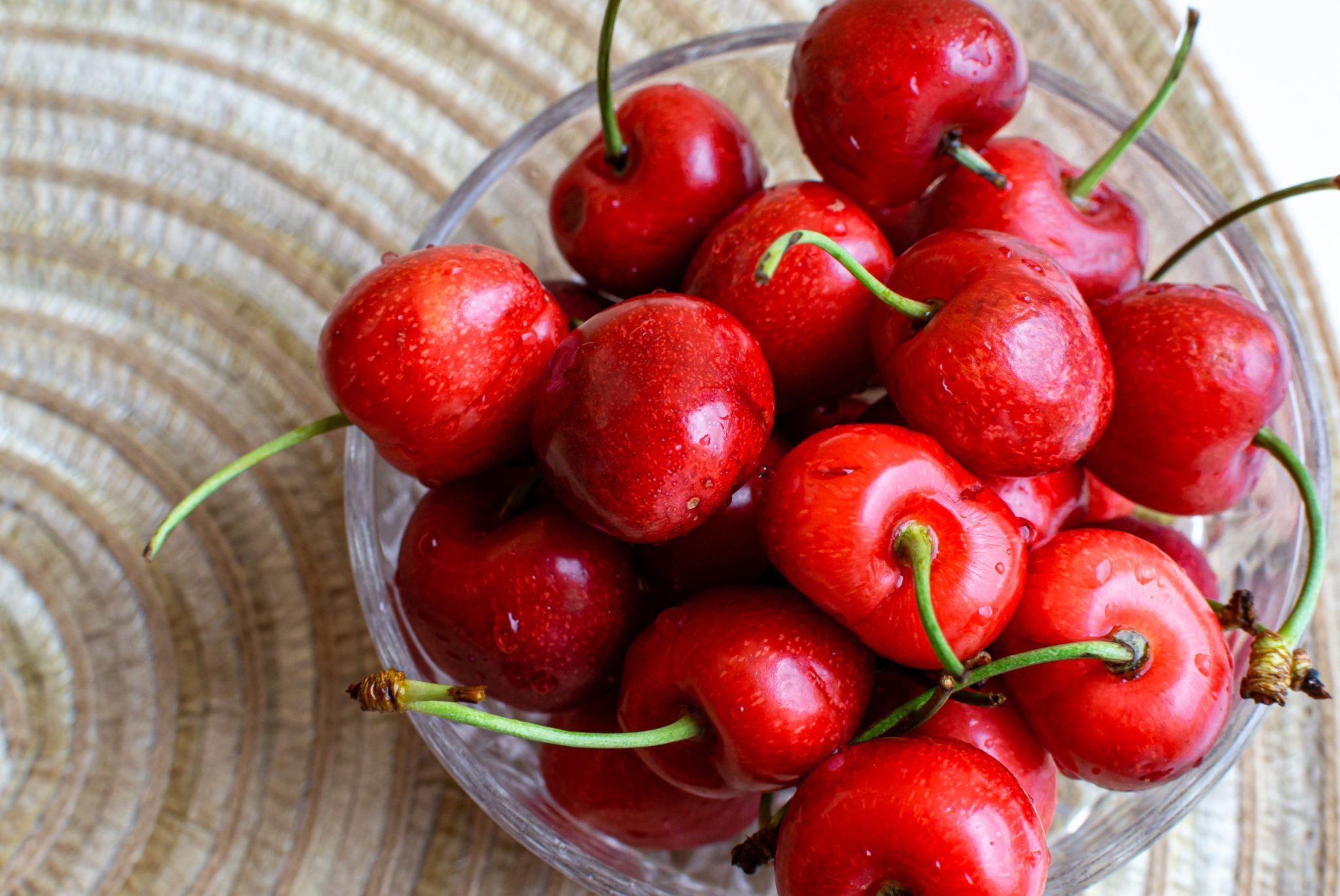
Cherries: emerging evidence for triple-negative breast cancer
Dark sweet cherries are another source of anthocyanins, and a recent animal study indicates these pigments may slow the growth and spread of triple-negative breast cancer, one of the most aggressive forms. Anthocyanin intake before tumor development delayed tumor growth with no signs of toxicity. When combined with the chemotherapy drug doxorubicin, cherry extract also appeared to support body weight maintenance, something not seen with the drug alone.
Beyond their phytonutrient profile, cherries carry vitamin C, potassium, and fiber. Their anti-inflammatory properties may also play a role.
Dried fruit: more nutritious than the calorie reputation implies
Raisins, dates, figs, and prunes carry more nutritional density than their reputation suggests. Drying concentrates fiber and phytonutrients alongside natural sugars. Multiple studies link higher dried fruit intake to a reduced breast cancer risk, and a genomic analysis found a genetic overlap between people who tend to eat more dried fruit and those with lower genetic susceptibility to the disease.
Figs play a star role here. Rich in polyphenols, flavonoids, and other bioactive compounds, this ancient Mediterranean fruit has appeared in early laboratory research linking fig extracts to breast cancer risk reduction.
Other factors in a breast-protective diet
Both Ledesma and Chen recommend eating whole fruit rather than drinking juice. The research does not show the same benefit from juice. For additional options, Ledesma points to citrus, kiwi, and pomegranate as fruits the evidence also associates with protective potential.
Chen is consistent on the broader picture: diet is one part of a larger approach. Physical activity matters equally; the American Institute for Cancer Research recommends at least 150 minutes of moderate or 75 minutes of vigorous exercise per week. Alcohol carries a direct link to higher risk, with one large analysis finding a 17 percent increased risk associated with intake, rising with each additional serving. And in Chen’s own research, swapping one daily serving of red or processed meat for poultry, fish, beans, or legumes was associated with a 16 percent lower risk.
On weight, Chen urges nuance: “I don’t ever want someone to blame themselves if they’re overweight and got breast cancer. Thin people get breast cancer too.”
Did this solution stand out? Share it with a friend or support our mission by becoming an Emissary.