


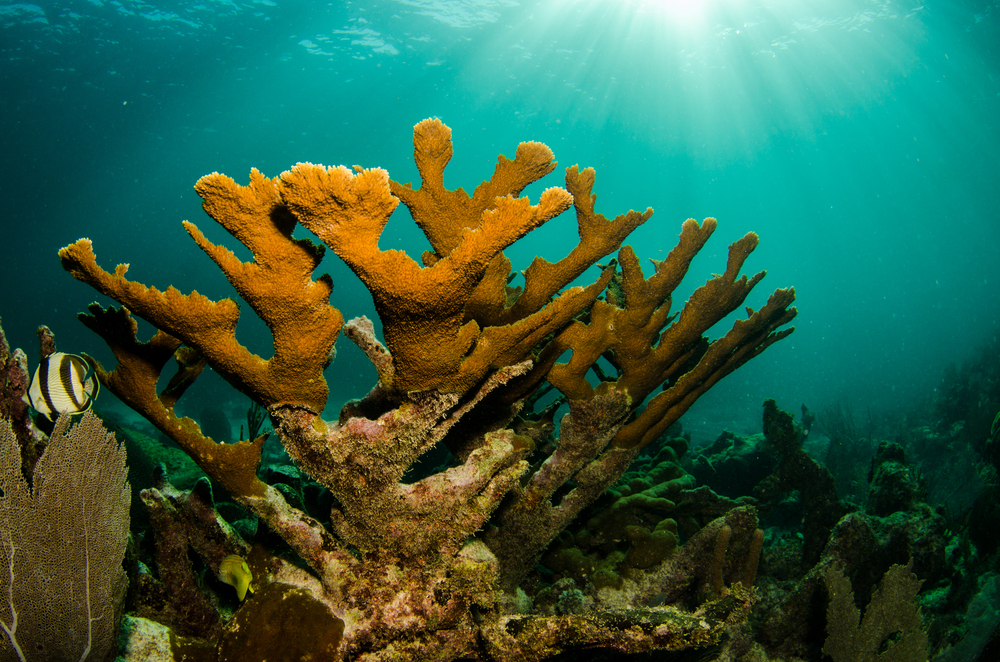
For the first time in scientific history, experts have cracked the code of the world’s largest deep-sea coral reef, a massive 6.4 million-acre ecosystem hundreds of miles off the Atlantic coast of the United States. This incredible discovery, which surpasses the size of Vermont, has now been revealed due to cutting-edge 3D mapping technology.
A strategic enterprise
“This strategic multiyear and multi-agency effort to systematically map and characterize the stunning coral ecosystem right on the doorstep of the U.S. East Coast is a perfect example of what we can accomplish when we pool resources,” says oceanographer Derek Sowers, the study’s lead author and Ocean Exploration Trust‘s mapping operations manager.
The “Million Mounds”
Using data from 31 sonar mapping studies, scientists named the largest section of the reef “Million Mounds.” This deep-sea wonder, comprised primarily of stony coral, spans around 310 miles, with some places reaching a width of 68 miles. It lies in depths ranging from 656 to 3,280 feet, where the average water temperature is 39 degrees Fahrenheit.
The study region extends from Miami to Charleston, covering the Blake Plateau seafloor, which is approximately 100 miles off the southeastern coast of the United States. The researchers’ standardized system identified an incredible 83,908 distinct coral mound summits, demonstrating the extent of this previously unknown marine treasure.
Curious cold-water corals
“Cold-water corals such as these grow in the deep ocean where there is no sunlight and survive by filter-feeding biological particles,” according to a press release issued by the National Oceanic and Atmospheric Administration (NOAA). Despite their importance as ecosystem engineers, providing shelter, food, and nursery habitat for numerous marine animals, these corals are still poorly understood.
An ongoing exploration
Sowers emphasizes the ongoing potential for further discoveries: “For years we thought much of the Blake Plateau was sparsely inhabited… but after more than 10 years of systematic mapping and exploration, we have revealed one of the largest deep-sea coral reef habitats found to date anywhere in the world.”
Threats and dangers
Both deep-sea coral reefs and tropical reefs face looming perils from oil and gas exploitation and climate change, warns research co-author Erik Cordes, a marine biologist with Temple University. This revelation underscores the importance of protecting these fragile ecosystems from human-caused threats.
“Only about three-quarters of the ocean floor has been high-resolution mapped,” says Sowers. The study suggests that there may be even greater deep-sea reefs waiting to be discovered, highlighting the importance of continuous investigation and safeguarding of the Earth’s underwater wonders.
This type of research sheds light on the connection and resilience of coral populations, which is crucial for forecasting and reducing the impact of human activities on these fragile ecosystems. The discovery of the greatest deep-sea coral reef off the United States Atlantic Coast marks a watershed moment in marine exploration, prompting us to prioritize the preservation of these hidden beauties for future generations.
Today’s highlights from our annual “Best Of” roundup shine a light on the top Science breakthroughs of 2024. These discoveries not only expand our understanding of the world but also inspire hope for a future powered by innovation and knowledge.






