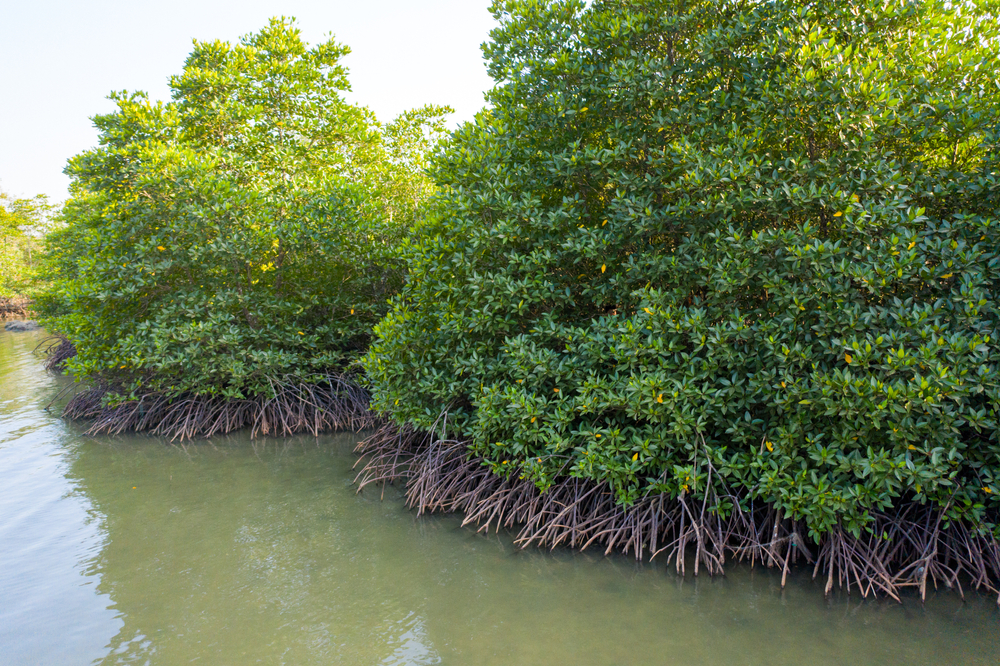
Embark on a journey to discover the hidden riches concealed beneath Cambodia’s mangrove forests, where nature thrives against the backdrop of endangered landscapes. A pioneering biodiversity assessment done in the Peam Krasop sanctuary and Koh Kapik Ramsar reserve revealed a breathtaking tapestry of wildlife, providing significant insights into the ecological complexity of these critical areas.
Discovering Cambodia’s biodiversity hub
Stefanie Rog led the survey crew, which was financed by Fauna & Flora International, as they ventured deep into Cambodia’s mangroves, documenting an astounding catalog of species. Rog is astounded by the findings, saying, “We found 700 different species in these mangrove forests but we suspect we have not even scratched the surface.” The wide use of video traps, nets, fish and insect estimations, and “transect” surveys allowed for a thorough grasp of the ecosystem’s complexities.
The crucial role of mangrove ecosystems
Mangrove forests, known for their tenacious trees that flourish in saline settings, play an important role in coastal ecosystems. Despite their importance, these habitats face challenges from destruction for economic purposes. Rog underscores their importance, emphasizing, “Mangroves are places of roots and mud and they are difficult for humans to get into, which is why they provide precious sanctuaries for these vulnerable animals.” The survey emphasized mangroves’ several benefits, including their role as nurseries for commercially valuable species and their ability to trap carbon efficiently.
Rare finds: a focus on unique species
Among the surprising finds are elusive creatures like the fishing cat and the hairy-nosed otter. The fishing cat, which can swim and hunt in mangrove roots, is a rare sight. Rog goes on to say, “It’s very rare to see a fishing cat, and we have only found out that they are in the forest from the photographs taken by our camera traps.” Similarly, the hairy-nosed otter, an endangered species, demonstrates the delicate balance of mangrove habitats. Their presence emphasizes the necessity of protecting these areas as safe havens for imperiled wildlife.
Protecting mangroves: conservation challenges and solutions
As biodiversity custodians, mangroves suffer acute risks from habitat loss and degradation. The investigation found 74 fish species and 150 bird species, emphasizing the value of mangroves as breeding grounds and habitats for a variety of wildlife. Rog stresses the mangroves’ greater ecological value, saying, “Mangrove forests are beautiful, rich, mysterious, and harvest so much life.” However, sustained conservation efforts are required to protect these valuable ecosystems for future generations. The survey findings are a call to action for governments, environmentalists, and local communities to work together to preserve and restore mangrove environments.
Cambodian mangrove forests serve as biodiversity hotspots, brimming with life and providing a look into nature’s beauties. As we strike a careful balance between conservation and development, let us love and maintain these magnificent habitats to ensure their survival for future generations.