BY THE OPTIMIST DAILY EDITORIAL TEAM
In western Switzerland, doctors are embracing an unexpected ally in the quest for better mental health: art. In the city of Neuchâtel, physicians are now prescribing museum and garden visits as part of a yearlong pilot program aimed at supporting residents facing mental health challenges or chronic illness.
Rather than relying solely on medication, the initiative encourages patients to explore public gardens, art galleries, and museums. The idea is simple but powerful: art and nature can play an important role in emotional well-being.
“For people who sometimes have difficulties with their mental health, it allows them for a moment to forget their worries, their pain, their illnesses, to go and spend a joyful moment of discovery,” said Patricia Lehmann, a local doctor participating in the program. “I’m convinced that when we take care of people’s emotions, we allow them somehow to perhaps find a path to healing.”
Moments of light and discovery
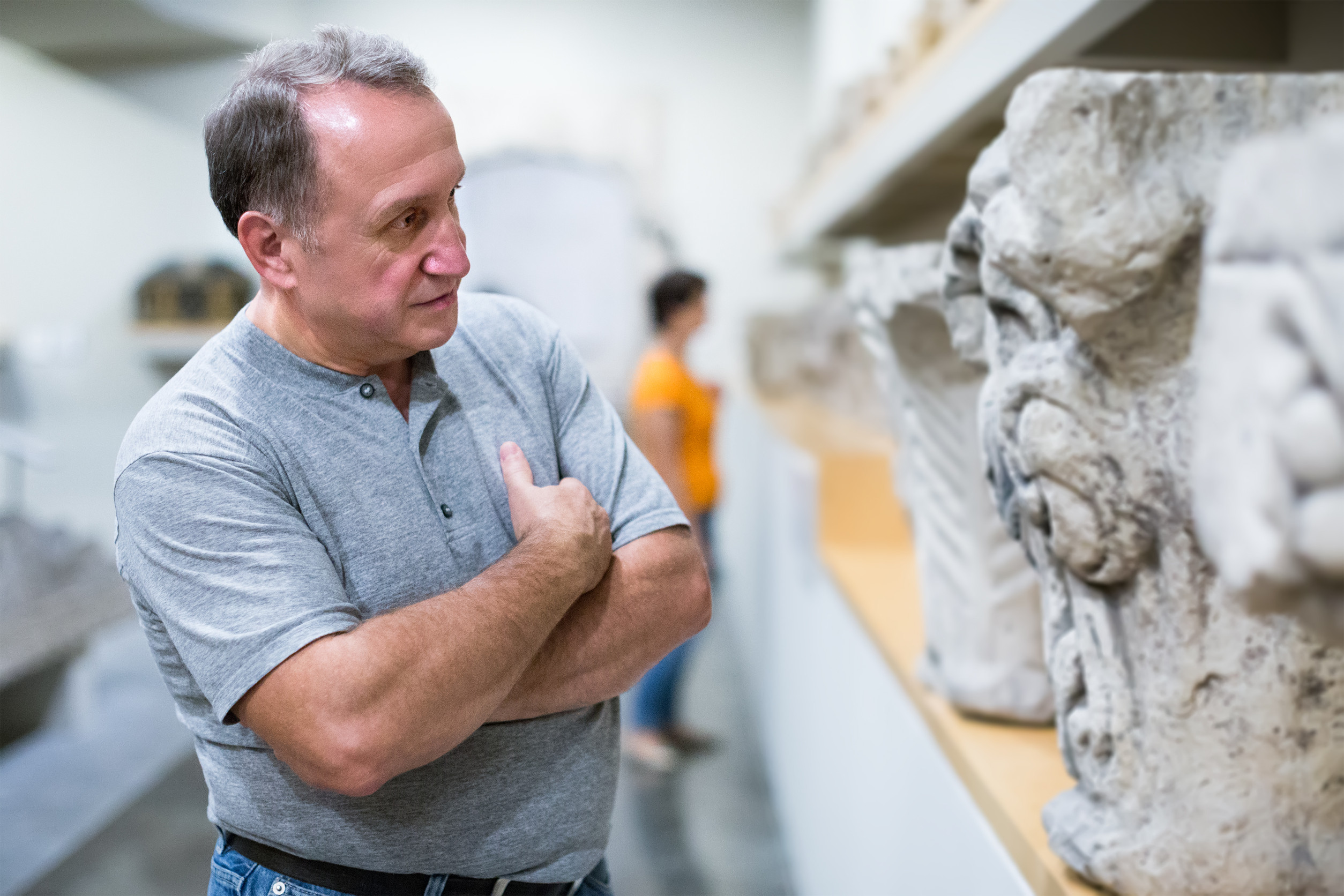
So far, 500 prescriptions are being offered to local patients, granting free access to four sites: the city’s botanical garden and three museums, including the Neuchâtel Museum of Art and History. There, visitors can enjoy pieces by masters like Claude Monet and Edgar Degas, as well as explore a whimsical collection of automated dolls.
One recipient of a cultural prescription, a 26-year-old woman recovering from burnout, described the experience as uplifting. “I think it brings a little light into the darkness,” she said, requesting anonymity.
While the program is still in its early stages, the hope is that it provides patients not only with moments of beauty and peace but also with a supportive, restorative space beyond the walls of a clinic.
Culture as a path to healing
The inspiration behind the initiative can be traced back to a 2019 World Health Organization study that explored the connection between the arts and health. The report outlined how cultural engagement can promote mental well-being and help people cope with illness.
This insight resonated deeply during the COVID-19 lockdowns, when museum closures had a noticeable impact on public morale. “That was a real trigger and we were really convinced that culture was essential for the well-being of humanity,” said Julie Courcier Delafontaine, who heads Neuchâtel’s culture department.
From her perspective, the pandemic underscored the vital role that cultural institutions play in individual and collective resilience. Art, music, and nature were not just distractions—they were lifelines.
Could art become part of everyday medicine?
The Neuchâtel project will run for a year, but organizers are already thinking about the future. If successful, the program could expand to include other cultural activities, such as theater performances.
“We’d love this project to take off and have enough patients to prove its worth and that one day, why not, health insurance covers culture as a form of therapy,” said Courcier Delafontaine.
While prescriptions for art may seem unconventional, the initiative is part of a growing global movement to rethink healthcare in more holistic, human-centered ways. By recognizing the role of joy, creativity, and connection in recovery, Switzerland is offering a model of care that is not only effective but also beautifully human.