BY THE OPTIMIST DAILY EDITORIAL TEAM
In a brightly lit lab at the National Autonomous University of Mexico (UNAM), food scientist Raquel Gomez peers through a microscope at microorganisms doing some heavy lifting: enriching tortillas with probiotics and preserving them for weeks without a fridge.
This might sound like a futuristic twist on a traditional staple, but the goal is deeply grounded in the realities of rural life. With refrigeration still out of reach for many families in Mexico, Gomez and her team set out to create a tortilla that not only nourishes but lasts.
A fridge-free food solution
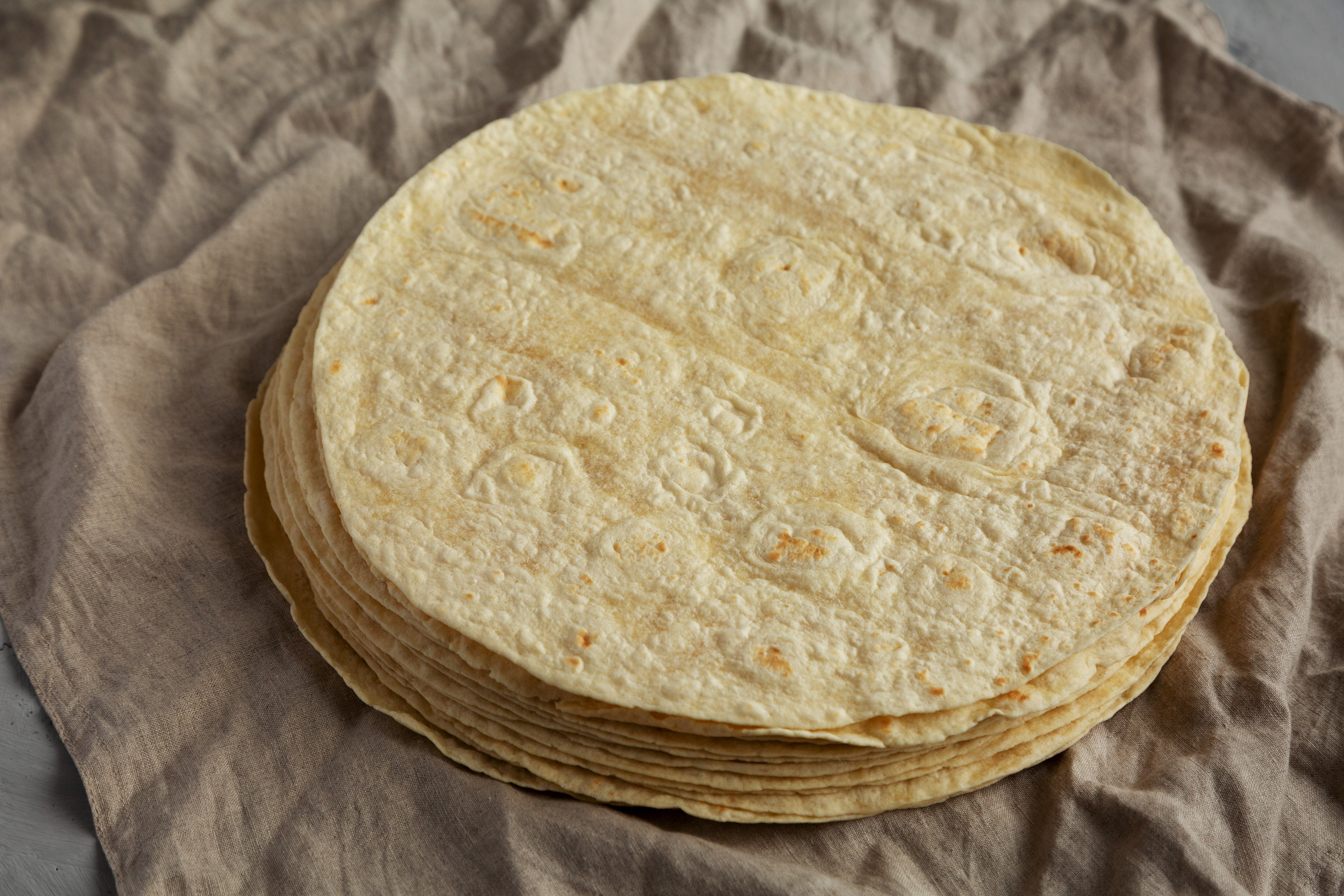
Tortillas are eaten daily across Mexico, wrapped around beans, meat, and vegetables from desert towns to rainforest villages. But unlike the typical corn tortilla, Gomez’s version is made from wheat flour and designed with one crucial feature: resilience.
“This was developed with the most vulnerable people in mind,” Gomez told AFP. Her probiotic tortilla can be stored for up to a month without refrigeration, no preservatives needed.
Malnutrition and the fridge gap
The innovation comes at a time when food insecurity remains a pressing issue. Official figures show that nearly 14 percent of children under five in Mexico suffer from chronic malnutrition. In Indigenous communities, that figure climbs to around 27 percent.
In Chiapas, a state in southern Mexico with high poverty rates and a large Indigenous population, fewer than two-thirds of households have a refrigerator, the lowest rate in the country. And with average maximum temperatures rising from 86.18 to 89.6 degrees Fahrenheit (30.1 to 32 degrees Celsius) over the past decade, food spoilage is a growing concern.
For residents like Teresa Sanchez in the town of Oxchuc, refrigeration is a luxury. “Where are you going to get a refrigerator if there’s no money?” she said. Instead, she relies on methods passed down by her Tzeltal ancestors: smoking meat over a wood-burning stove, boiling leftovers, salting and sun-drying food, and storing tortillas in bark containers.
A better way to preserve
What sets Gomez’s tortilla apart is its use of prebiotics and probiotics, live microorganisms also found in yogurt and fermented foods. The prebiotics, mainly from high-fiber foods, nourish the probiotics to produce health-boosting compounds.
Because the tortilla relies on fermentation, it doesn’t require artificial preservatives, which are ingredients that can have unintended health consequences. “Calcium propionate, commonly used in commercial wheat tortillas, may harm the colon’s microbiota,” explained Guillermo Arteaga, a researcher at the University of Sonora.
Potential beyond wheat
Although this new tortilla is wheat-based, favored more in northern Mexico, Gomez believes the same approach can be adapted for corn, the nation’s true staple. Corn tortillas, while culturally central, spoil quickly in high heat.
The tortilla was patented in 2023, and UNAM even signed a marketing contract with a company to bring it to market. But the deal fell through. Still, Gomez remains hopeful: “Even though they were developed in a laboratory, I’m confident people will want to eat them.”
Her confidence is backed by purpose. This is not about trendy nutrition or upscale convenience foods. It’s about dignity, resilience, and giving families like Teresa Sanchez’s something simple, familiar, and reliable in a changing climate.