BY THE OPTIMIST DAILY EDITORIAL TEAM
Americans spend a lot on hair. Serums, supplements, special shampoos, salon treatments: the list of things promising better hair is long and expensive. But five dermatologists say there is something most people are skipping entirely, and it costs nothing at all.
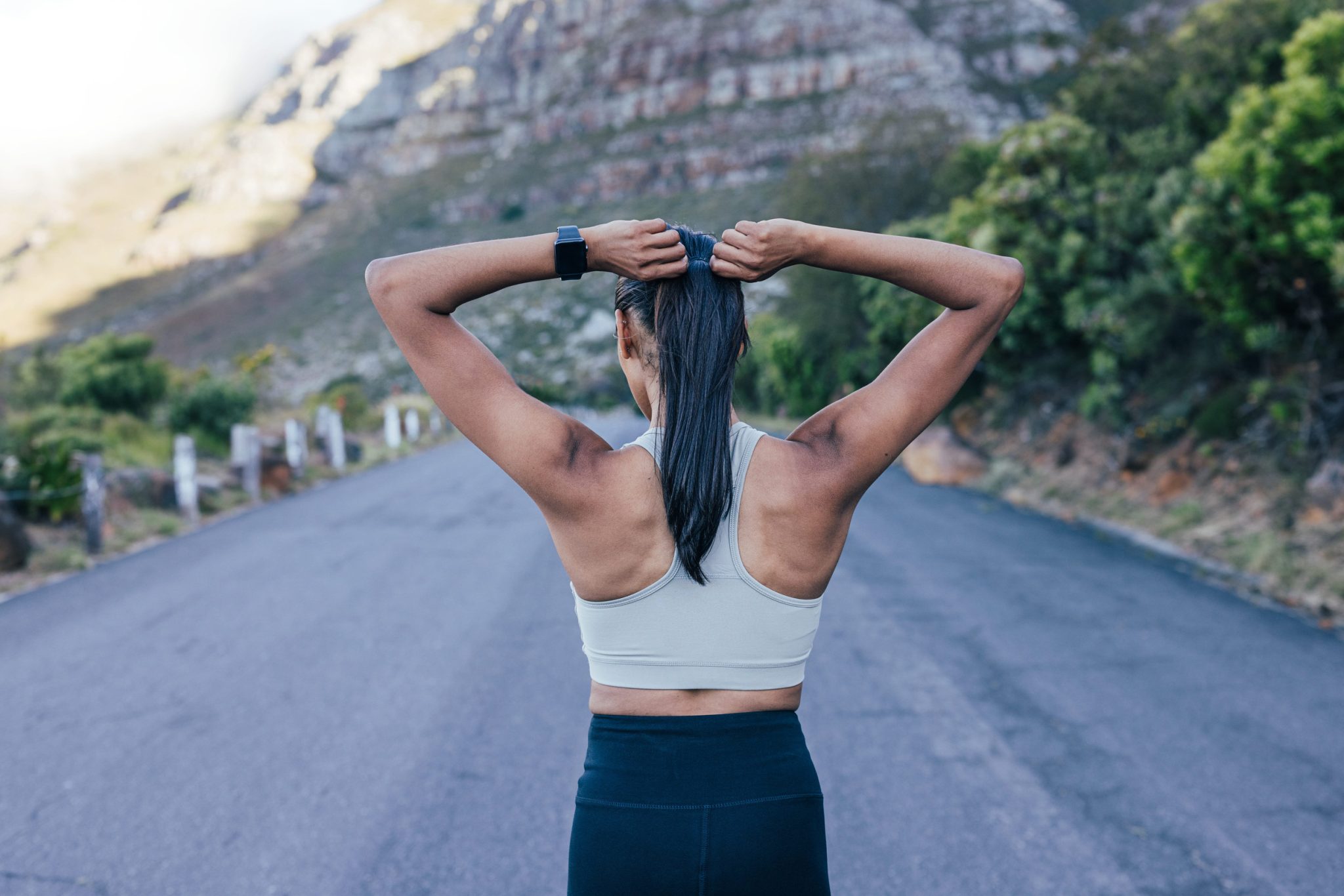
Regular cardio exercise appears to support hair health through several indirect pathways. The research is still limited: a 2021 study from China found that regular aerobic activity was associated with slower pattern hair loss and improved scalp health overall. The researchers pointed to reduced stress and better systemic health as likely explanations.
“The relationship between hair health and cardio exercise is not entirely straightforward and remains relatively understudied,” says Viktoryia Kazlouskaya, MD, PhD, a double board-certified dermatologist and owner of Dermatology Circle PLLC in New York City. “When it comes to hair, the connection is more indirect.” But indirect does not mean irrelevant.
Better blood flow, better follicles
One of the most direct connections is vascular. Cardio increases blood flow throughout the body, including the scalp, which is one of the most vessel-rich areas on the body. Christina Han, MD, dermatologist and medical director at XYON, says more circulation means more oxygen and nutrients reaching hair follicles. “Improving your cardiovascular health with exercise can help to promote better nutrient delivery to those follicles,” she explains.
This matters especially for people dealing with thinning related to metabolic conditions. Research links polycystic ovary syndrome to pattern hair loss, and vigorous aerobic exercise has been shown to help regulate the androgen levels that drive follicle behavior.
The cortisol connection
The clearest thread connecting exercise to hair health runs through cortisol. When the body is under sustained strain, cortisol levels climb, and cortisol disrupts the hair follicle’s growth cycle in measurable ways. It shortens the anagen (growth) phase and prolongs the telogen (resting) phase, according to Sharleen St. Surin-Lord, MD, a dermatologist and assistant professor at Howard University. That shift sets up what she calls “the perfect storm for hair loss.” The resting phase is followed by the exogen phase, where hair actually falls out, and that is when visible shedding begins.
Cardio is one of the best-documented tools for keeping cortisol in check. “Regular aerobic exercise is a well-established cortisol-lowering intervention,” Dr. St. Surin-Lord says, “so cardio exercise not only does a body and mind good, but it’s good for your overall hair health.”
Brendan Camp, MD, a dermatologist at MDCS Dermatology, adds that moderate-to-high-intensity cardio also appears to activate the body’s antioxidant defenses, which may protect follicles from oxidative damage, a separate mechanism that can speed up hair loss.
The right amount matters
More is not better, and that is worth saying clearly. High-intensity or excessively strenuous exercise can actually spike cortisol rather than lower it, putting the body under the kind of physical strain that halts the growth cycle. Consistency beats intensity, every time.
“The most important thing is a well-balanced exercise that matches your physical abilities and your baseline health,” says Dr. Han. Jogging, cycling, swimming, and brisk walking are what most dermatologists point to. Dr. St. Surin-Lord recommends 20 to 30 minutes of moderate activity daily, and notes that water-based workouts are a good option for anyone who wants lower joint impact.
If your hair care routine begins and ends with products, it is probably worth asking what your workout looks like. The evidence is still building, and no dermatologist is suggesting that exercise replaces a good scalp routine. But the connection between aerobic activity and follicle health is real, and unlike most hair care products, it is free.
Did this solution stand out? Share it with a friend or support our mission by becoming an Emissary.