BY THE OPTIMIST DAILY EDITORIAL TEAM
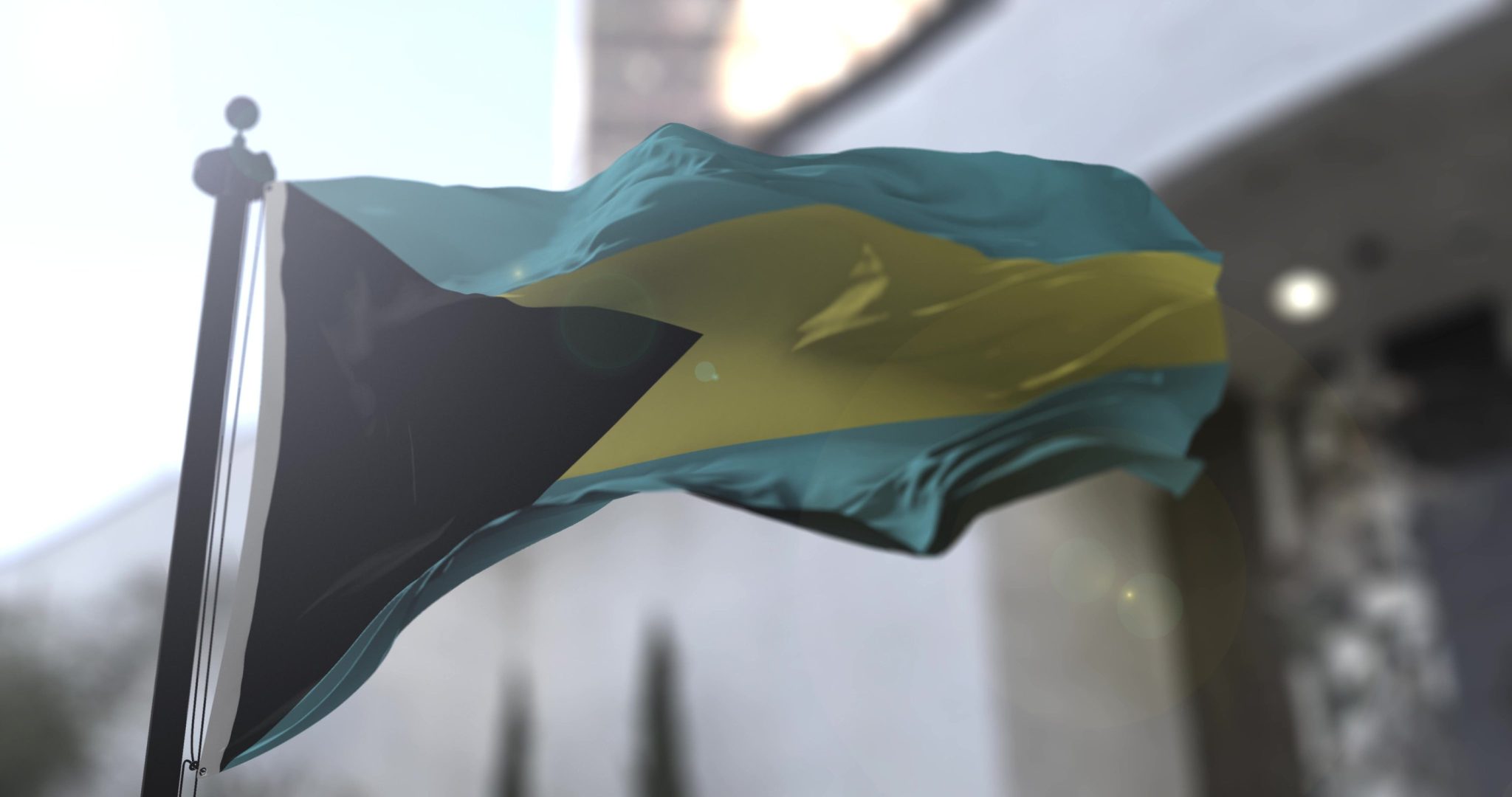
The Bahamas became the 12th country or territory in the Americas to receive WHO certification for eliminating mother-to-child transmission of HIV, joining a regional cohort that now accounts for more than half of all such certifications worldwide.
The certification, announced April 22 by the World Health Organization, is awarded to countries that can demonstrate sustained results: reducing vertical HIV transmission to below two percent, recording fewer than five new pediatric infections per 1,000 live births, and maintaining coverage of 95 percent or higher for antenatal care, HIV testing, and treatment for pregnant women. Meeting all three bars consistently is what the certification requires.
What the Bahamas built to get there
The foundation of the Bahamas’ model is universality. Antenatal care is available to all pregnant women regardless of nationality or legal status, across both public and private facilities. Women are screened at their first prenatal appointment and again during the third trimester. HIV-positive mothers receive multi-month supplies of antiretroviral medicines, and their infants are monitored until confirmed negative. STI treatment and family planning services are offered free of charge.
Pre-exposure prophylaxis (PrEP) is also made available to pregnant women as part of the standard care protocol, an inclusion that puts the Bahamas ahead of many wealthier health systems.
“For years, The Bahamas have been working very hard to address the situation of HIV/AIDS,” said Dr. Michael Darville, the country’s Minister of Health and Wellness. “A lot of people have been involved in us achieving this great milestone: our nurses in our public health system, our nurses and doctors in our tertiary health-care system and, by extension, all of the clinics spread throughout our archipelago.”
A region that keeps leading
Cuba became the first country in the world to achieve this certification, and Brazil received its certification just last year. More than half of all certified countries and territories are now from Latin America and the Caribbean, a regional track record built through years of sustained investment in primary care, not a single breakthrough moment.
“Latin America and the Caribbean has long been a beacon of progress in this global effort,” said Anurita Bains, Global Associate Director for HIV/AIDS at UNICEF. “The region continues to lead with ambition and determination. This is a legacy of leadership that inspires the world.”
UNAIDS Executive Director Winnie Byanyima put the mechanics plainly: “When women can test early in pregnancy, start treatment quickly, and stay in care, every child has a better chance of being born free of HIV and other STIs.”
The Bahamas’ certification falls under the broader EMTCT Plus Initiative, which targets not only HIV but also syphilis, hepatitis B, and congenital Chagas disease. The initiative is embedded within PAHO’s Elimination Initiative, a regional effort to eliminate more than 30 communicable diseases in the Americas by 2030.
Dr. Jarbas Barbosa, Director of the Pan American Health Organization, framed the Bahamas’ result as a starting point rather than an endpoint: “As we look ahead, this milestone is not only a moment of national pride but also an opportunity to build on this success, advancing efforts to end HIV and other communicable diseases as public health threats across the Caribbean and the Americas.”
Retaining WHO certification requires ongoing surveillance and sustained coverage rates; the work does not stop at the announcement. The Bahamas now joins a short list of countries that have cleared that bar, and the Caribbean is the region most responsible for making that list grow.
Did this solution stand out? Share it with a friend or support our mission by becoming an Emissary.