BY THE OPTIMIST DAILY EDITORIAL TEAM
In 2025, researchers publishing in Nature Medicine found microplastics in human brain tissue at concentrations considerably higher than in the liver or kidneys. The year before, scientists at Columbia and Rutgers counted hundreds of thousands of nanoplastic particles in a single liter of bottled water, many small enough to potentially cross biological barriers in the body.
This is no longer mainly an environmental story. It is a human health one, and discovery is moving faster than public awareness of it.
What scientists have found in human tissue
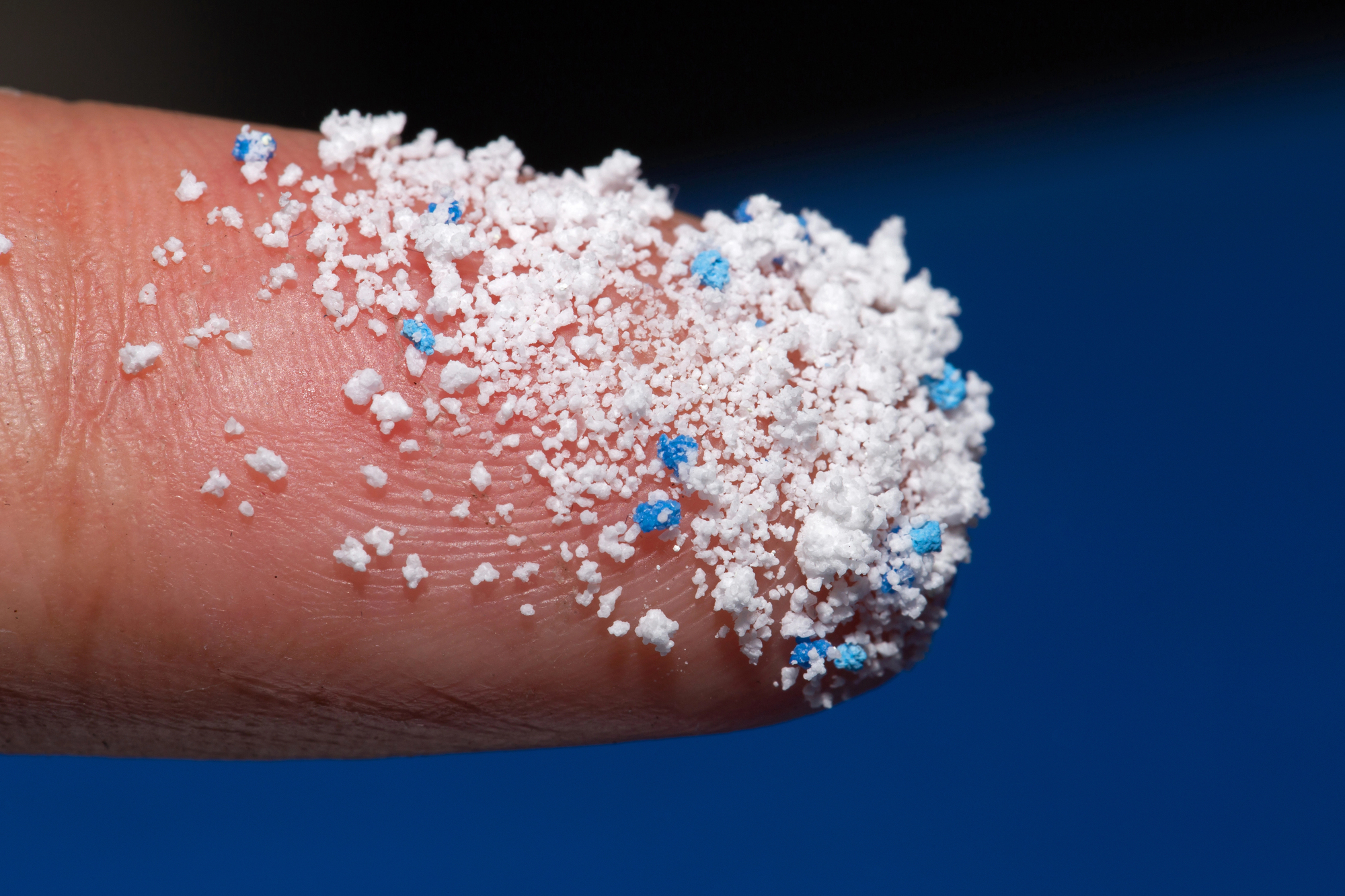
Microplastics are plastic particles smaller than five millimeters. Some are manufactured that way; others form as larger plastics break down under heat, friction, and time. Exposure comes through ingestion, inhalation, and environmental contact.
Where scientists keep finding them is the thing that has changed. Microplastics and nanoplastics have now turned up in human blood, lungs, placentas, reproductive organs, and brain tissue. Researchers are careful to say that detecting plastic in the body does not prove it is causing disease. Early findings raise concerns around inflammation, oxidative stress, and hormone disruption. Long-term effects are still being studied. The picture is not complete; it is developing fast, and the direction is not comforting.
Where microplastic exposure comes from
Heat is one of the main sources. Reheating food in plastic containers, microwaving leftovers in plastic, leaving a water bottle in a hot car: all of it can accelerate the release of plastic particles and chemicals, particularly from older or damaged containers. Many takeaway coffee cups look paper-based from the outside but are plastic-lined. The individual exposures are minor. They repeat.
Synthetic fabrics contribute substantially. The International Union for Conservation of Nature estimates that synthetic textiles account for roughly 35 percent of primary microplastics entering the oceans. Polyester, nylon, and acrylic shed fibers during wear and in the wash, ending up in waterways, household dust, and indoor air. Most activewear sold under the wellness label is built almost entirely from these materials.
Indoor air matters more than people tend to assume. People spend close to 90 percent of their time inside, and microplastics circulate through household dust in ways that are easy to miss.
Practical steps to reduce microplastic exposure
Full elimination is not a realistic goal. Reducing contact steadily over time is.
Heat and food contact
Glass and stainless steel containers do not release particles when heated. Replacing plastic ones does not have to happen all at once: swap them out as they wear down. The same logic applies to cutting boards, cooking utensils, and food storage. Wooden and metal tools reduce contact between heat and plastic. Loose-leaf tea sidesteps the plastic mesh most tea bags use. Researchers have also flagged ultra-processed packaged foods as a potential source of higher microplastic loads, one more reason to reach for fresher, less packaged options when it is easy to do so.
Water
The Columbia-Rutgers data makes a strong argument for home filtration. A good filter with a reusable glass or stainless steel bottle removes routine daily exposure and costs less over time than buying bottled water.
Laundry and clothing
Washing synthetic fabrics less often, using cold water, and adding a microfiber-catching bag or filter to the wash cycle reduces how much fiber sheds. When replacing clothes, natural fibers like organic cotton, linen, and wool release fewer synthetic particles than polyester or nylon.
Indoor air
A HEPA-filter vacuum, regular open windows, shoes off at the door, and fewer synthetic materials in the home all help keep dust loads lower. Air purifiers with HEPA filtration add another option for spaces that tend to stay closed.
Calibrating concern
Wellness coverage on microplastics swings between dismissal and alarm. Neither maps to what the evidence shows. Widespread exposure is documented. Accumulation in human tissue is confirmed. Long-term health effects are still being studied. The practical response is not a life overhaul, just a gradual shift toward less plastic contact with food, water, and air on a normal day. The habits that accomplish that are already available.
Did this solution stand out? Share it with a friend or support our mission by becoming an Emissary.