Whether we like it or not, our diets play a huge role in determining our risk of developing chronic diseases—especially when it comes to cardiovascular disease. To help lower your risk of this particular disease, Bianca Tamburello, RDN, shares some helpful eating habits that you can easily incorporate into your day-to-day life.
Eat salmon twice a week
According to Tamburello, “omega-3 fats found in fatty fish, like farmed salmon from Chile, are linked to better triglyceride levels and blood pressure, higher HDL or ‘good cholesterol,’ and the prevention of the plaque formation in arteries.” She suggests eating salmon twice a week.
“Shopping for seafood can be intimidating,” she adds, however she has a tip for those in the seafood market: “look for farmed salmon for Chile. It’s particularly high in omega-3 fats, low-mercury, sustainably raised, and considered a best choice for the whole family—including pregnant women and children.”
Replace red meat meals with beans and legumes
“This could be as simple as replacing your beef taco with black bean tacos or even cooking with half red meat and half beans,” Tamburello says. “Beans and legumes are lean plant proteins, low in saturated fat making them a great diet choice. A meta-analysis of 14 studies found that eating beans regularly was tied to lower mortality risk from heart disease.”
We’ve also written another article that delves deeper into this topic here, as well as a piece on all the other benefits of eating beans.
Swap refined grains for whole grains
“Research shows that a diet full of refined grains, such as white bread and white rice, can increase the risk of heart disease,” Tamburello points out.
This is because whole grains have been proved to help reduce “bad” cholesterol, also known as LDL, in our body and boost “good” cholesterol, also called HDL. So, to lower your risk of heart disease, reach for “whole-grain options [like] whole wheat bread, brown rice, quinoa, farro, and whole wheat pasta.”
Snack on berries
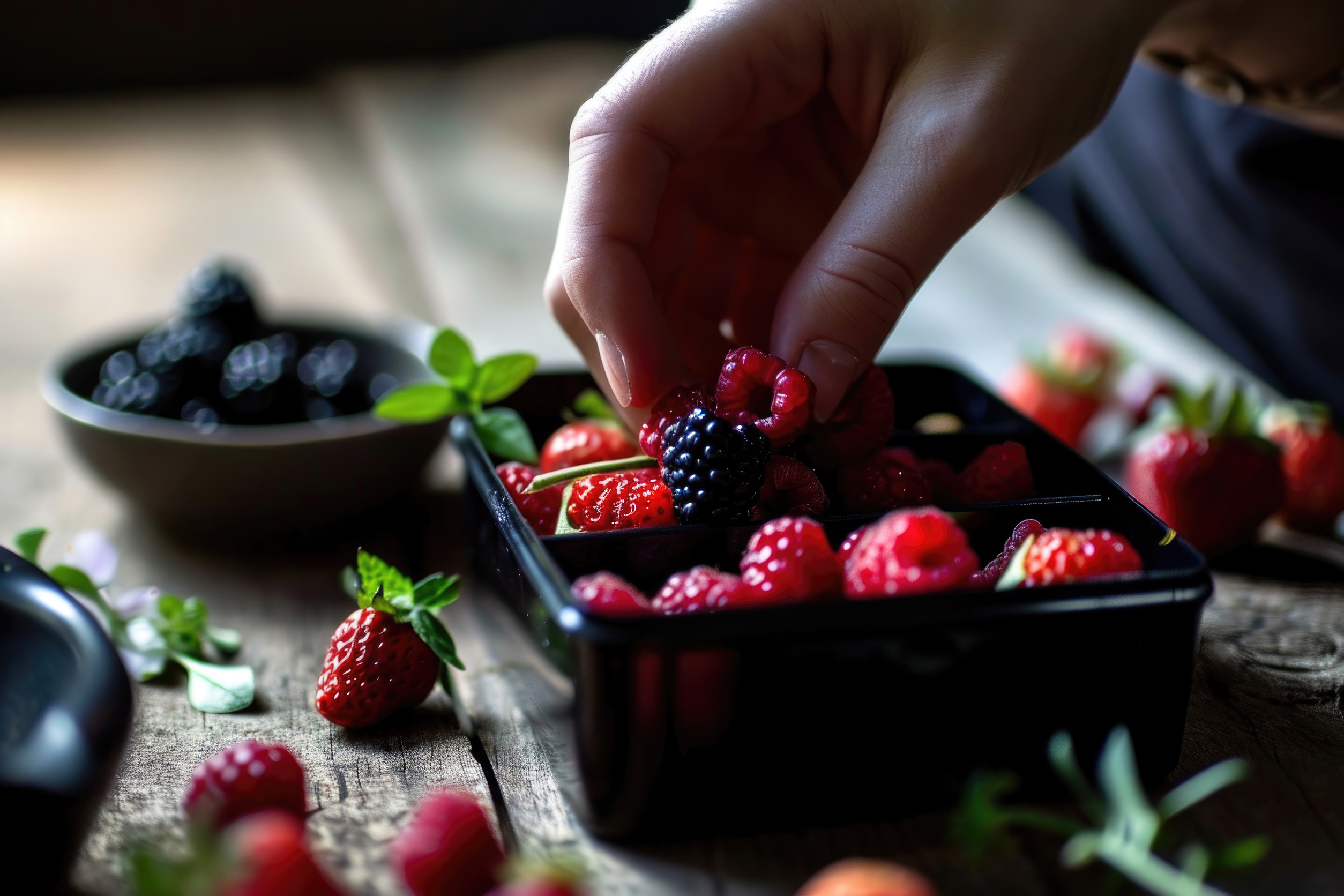
“Berries such as raspberries, blackberries, and strawberries are full of antioxidants known to protect the body’s cells from damaging free radicals,” says Tamburello. “Additionally, this research analysis of 22 studies found that eating more berries is linked to improved heart disease risk factors including better LDL ‘bad cholesterol,’ blood pressure, and weight.”
Eat more leafy greens
The importance of consuming generous servings of leafy greens cannot be understated! “Leafy greens like kale, collard greens, and spinach are packed with vitamin K and nitrates, two nutrients known to protect arteries and contribute to heart health,” confirms Tamburello. If you’re not a fan of salads or veggies in general, Tamburello says you can get creative by sneaking them into your smoothies, baking them into brownies, or throwing some into a tasty stir-fry.