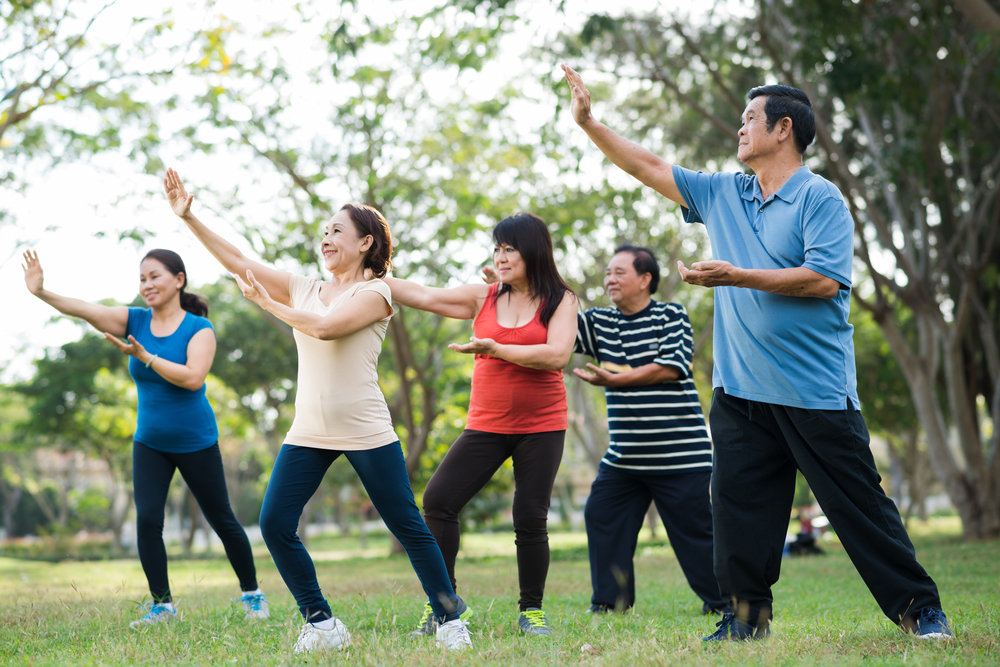
Prehypertension, a prelude to high blood pressure, has serious health concerns, including cardiovascular disease. With systolic blood pressure (SBP) ranging from 120 to 139 mmHg and/or diastolic blood pressure (DBP) ranging from 80 to 89 mmHg, early action is critical to avoiding consequences. A recent study by the China Academy of Chinese Medical Sciences (CACMS) investigates the effectiveness of tai chi versus aerobic exercise in controlling prehypertension.
Aerobic exercise vs. tai chi
The study included 349 volunteers aged 18 to 65 who were randomly allocated to either tai chi or aerobic exercise groups. Both groups participated in four 60-minute supervised sessions per week for 12 months. The tai chi group practiced Yang-style tai chi, which emphasizes slow, controlled motions, whereas the aerobic exercise group did exercises such as climbing stairs, jogging, brisk walking, and cycling. Blood pressure was measured at baseline, six months, and twelve months.
Key findings: tai chi’s superior impact
After a year of focused effort, the results were impressive. The tai chi group showed a much higher reduction in workplace SBP than the aerobic exercise group. The mean change in office SBP for tai chi participants was -7.01 mmHg, higher than the -4.61 mmHg in the aerobic activity group. Furthermore, the tai chi group saw greater reductions in 24-hour and nocturnal ambulatory SBP.
At the study’s conclusion, 21.8 percent of the tai chi group had normal blood pressure without drugs, compared to 15.6 percent in the aerobic exercise group. The incidence of hypertension was considerably lower in the tai chi group (12.0 percent versus 17.7 percent).
Tai chi’s unique advantages
Researchers believe that tai chi’s success in blood pressure management is due to its effect on the sympathetic nervous system, which reduces excitability and induces a soothing effect. This ancient technique, characterized by gentle movements and mental focus, has emerged as a valuable ally in cardiovascular health.
The study’s findings have important public health implications, highlighting tai chi as an effective strategy for reducing cardiovascular disease in prehypertensive individuals. Dr. Jamea, a professional sex therapist, emphasizes the significance of confidence in health, noting, “Research tells us that feeling confident and self-assured leads to greater sexual satisfaction and pleasure.”
Taking on tai chi from a public health perspective
As tai chi emerges as a champion in the treatment of prehypertension, it encourages wider use of this ancient practice for cardiovascular health. Integrating tai chi into preventative health measures could pave the path for a healthier future in which people are empowered to take proactive steps to protect their heart health.
Source study: JAMA Network Open— Effect of tai chi vs aerobic exercise on blood pressure in patients with prehypertension