BY THE OPTIMIST DAILY EDITORIAL TEAM
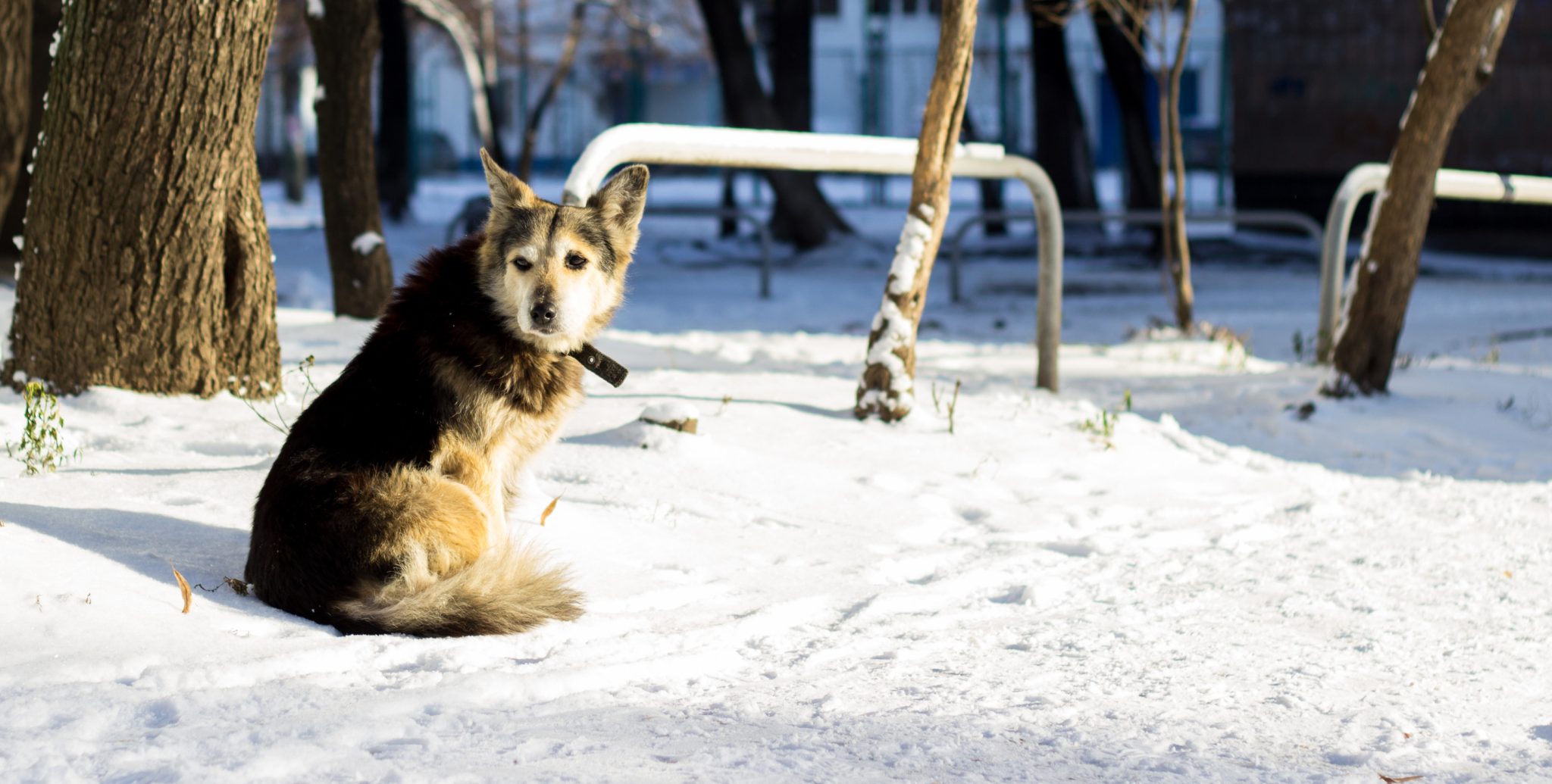
It’s not just you; winter really can bring a certain mood. The shorter days, chilly weather, and long, dark evenings can leave anyone feeling a bit off or down. But have you ever looked at your dog curled up, snoozing more than usual, and wondered are they feeling it too?
Turns out, your four-legged friend might also be dealing with their own version of the winter blues. Dr. Gary Richter, D.V.M., the founder of Ultimate Pet Nutrition and a holistic veterinarian with nearly three decades of experience, says that seasonal changes can definitely influence your pet’s behavior.
Signs your dog might be feeling the winter slump
Let’s get the big question out of the way first. Can dogs actually get seasonal depression?
“From a medical perspective, there is no clinical diagnosis of seasonal depression in animals,” says Dr. Richter. But that doesn’t mean your dog (or cat) is immune to the emotional effects of winter. “It is without question that animals can suffer from emotional and mental distress,” he explains, “and there can be clear changes in pet behavior based on time of year.”
Just like people, pets may become sleepier, more withdrawn, or even a little grumpy during the darker, colder months. You might notice your pup is less eager for walks or playtime, or that they seem more anxious, vocal, or destructive than usual, especially if they’re spending more time indoors.
“Problem behaviors like excessive barking, chewing, or general restlessness may come from boredom,” Richter adds. While these changes may not seem like obvious indicators of winter blues, they can still signal that your pet could use a little extra attention.
Why winter affects your pet’s mood
So what’s behind these behavioral changes? Much of it comes down to routine disruption and environmental shifts.
“When it’s cold or icy, pets may not get as much outdoor exercise, which leads to frustration and boredom,” says Richter. Plus, the reduced sunlight during winter can throw off their natural rhythms. “Dogs are diurnal, so it may be that when it’s dark out, they’re going to be less active,” he explains. “Cats are more active at night, so they might be running around more in winter because there are more nighttime hours.”
The lack of mental and physical stimulation can affect a pet’s emotional state, just like it does in humans.
How to keep your dog or cat happy all season long
The good news is that there are simple, practical ways to help your pet stay upbeat, even when the weather outside is frightful.
“Maintaining a regular routine is key,” says Richter. That means sticking to consistent meal times, play sessions, and bedtimes, even if your own schedule feels a little off.
If daily walks aren’t always doable, look for creative ways to help your pet burn off energy. Try taking them to a pet-friendly indoor space, like a garden center or hardware store, for a change of scenery. You can also bring the fun indoors with puzzle feeders, treat-dispensing toys, or new training games.
And don’t underestimate the power of simple affection. Cuddling on the couch, playing a gentle game of tug, or just chatting to your pet while making dinner can offer comfort and engagement. “Spending quality time together can help both you and your pet cope with the winter blues,” Richter notes.
A little love (and routine) goes a long way
While your pet might not have a formal case of seasonal affective disorder, they’re still creatures of habit and creatures that thrive on connection. Paying attention to subtle shifts in their behavior, keeping their daily routine consistent, and finding ways to play and bond can make a real difference.
After all, winter is easier to face when you’ve got a warm, furry friend by your side. Likewise for them, your companionship is the best mood booster of all.
Did this solution stand out? Share it with a friend or support our mission by becoming an Emissary.