BY THE OPTIMIST DAILY EDITORIAL TEAM
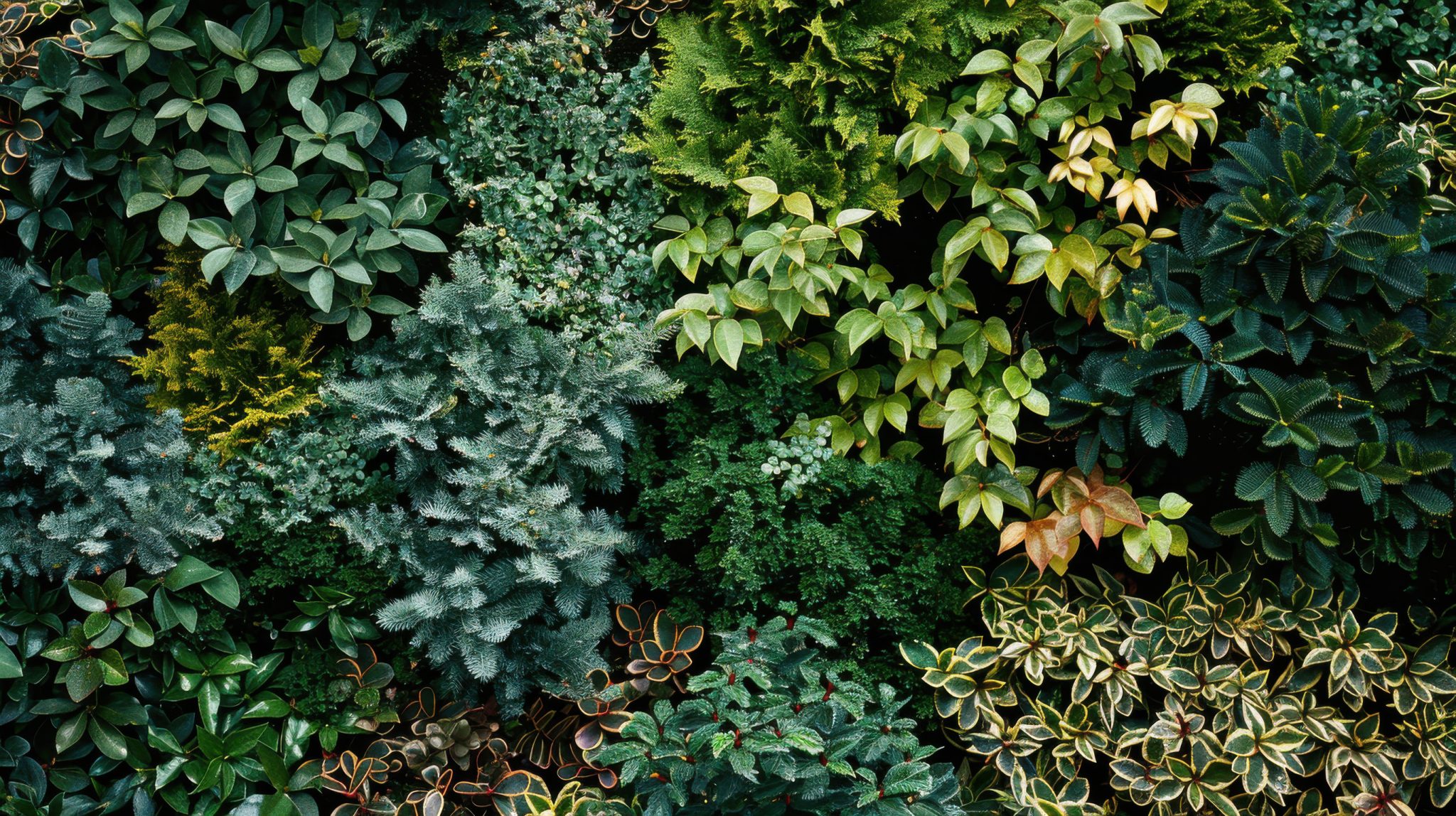
In the natural world, plants are often thought of somewhat as competitors, out there jostling for sunlight, nutrients, and space. But new research suggests they may also be surprisingly cooperative, especially when environmental stress hits.
A recent study, published as a preprint on bioRxiv, found that when plants physically touch one another, they activate a kind of early warning system, sharing signals that make them more resilient to stress. The team behind the discovery, led by plant scientist Ron Mittler at the University of Missouri, demonstrated that this physical contact helps plants better tolerate intense light, an increasingly common stressor in a warming climate.
“We demonstrated that if plants touch each other, they are more resilient to light stress,” said Mittler in an interview with New Atlas. “If you stimulate or stress one plant, it will send a signal to all the other plants that it touches, and they all become more tolerant.”
Building a plant-to-plant warning system
The researchers used Arabidopsis thaliana, a small flowering plant commonly used in genetic studies, to test their hypothesis. They created two groups: one in which the plants’ leaves physically touched, and another where each plant grew in isolation.
Both groups were then exposed to high-intensity light, simulating the kind of stress that might occur during a heatwave or under direct sunlight. The researchers measured ion leakage from the leaves, a biological marker of damage, as well as the accumulation of anthocyanins, plant pigments that increase under stress.
The findings were clear: plants in physical contact showed significantly less damage and fewer stress markers than those grown alone. In other words, the touch group was more resilient.
To dig deeper, the researchers turned to genetically modified plants that couldn’t transmit typical chemical signals. They created a three-plant chain: a transmitter, a middle “mediator,” and a receiver. Then, they swapped in signal-deficient mutant plants in the middle. This resulted in the receiver plant losing its resilience, confirming that communication was broken.
Further analysis revealed that hydrogen peroxide, a common chemical messenger in plants, plays a central role in this signaling process.
Cooperation, not just competition
While it’s long been known that plants communicate underground through root systems and mycorrhizal fungi, above-ground communication, especially through touch, is less understood. Mittler’s findings suggest a kind of plant cooperation that’s been overlooked.
“Typically, we view plants as competitors,” said Mittler. “But if you grow under harsh conditions, you better grow in a group. If you grow under really ideal conditions—with no predators, with no stressors—then you better grow individually.”
This speaks to a broader evolutionary trade-off: plants in challenging environments may gain a survival advantage by forming dense clusters and physically connecting.
Piyush Jain, a plant biologist at Cornell University and co-author of the paper, praised the approach. “The authors of this paper propose a thoughtful and clever experimental design to better understand the still underexplored pathways of aboveground plant-to-plant communication,” he said. Jain noted the importance of the study in addressing “a longstanding question: whether chemical signaling and electrical signaling are responsible for increased resilience to excessive light stress.”
Why this matters
This study opens new avenues for understanding how plants adapt to climate stress, especially as environmental conditions grow increasingly extreme. With prolonged heatwaves and intense sunlight becoming more common, insights like these could inform agricultural practices, crop density strategies, and even how we design urban green spaces.
Though the study has yet to be peer-reviewed, it adds to a growing body of research challenging the perception of plants as passive organisms. Instead, they may be more interactive and socially responsive than we realize, capable of forming their own networks through simple physical contact.
Source study: bioRxiv—United we stand: Plants that physically touch each other are more resilient to excess light stress
Did this solution stand out? Share it with a friend or support our mission by becoming an Emissary.