BY THE OPTIMIST DAILY EDITORIAL TEAM
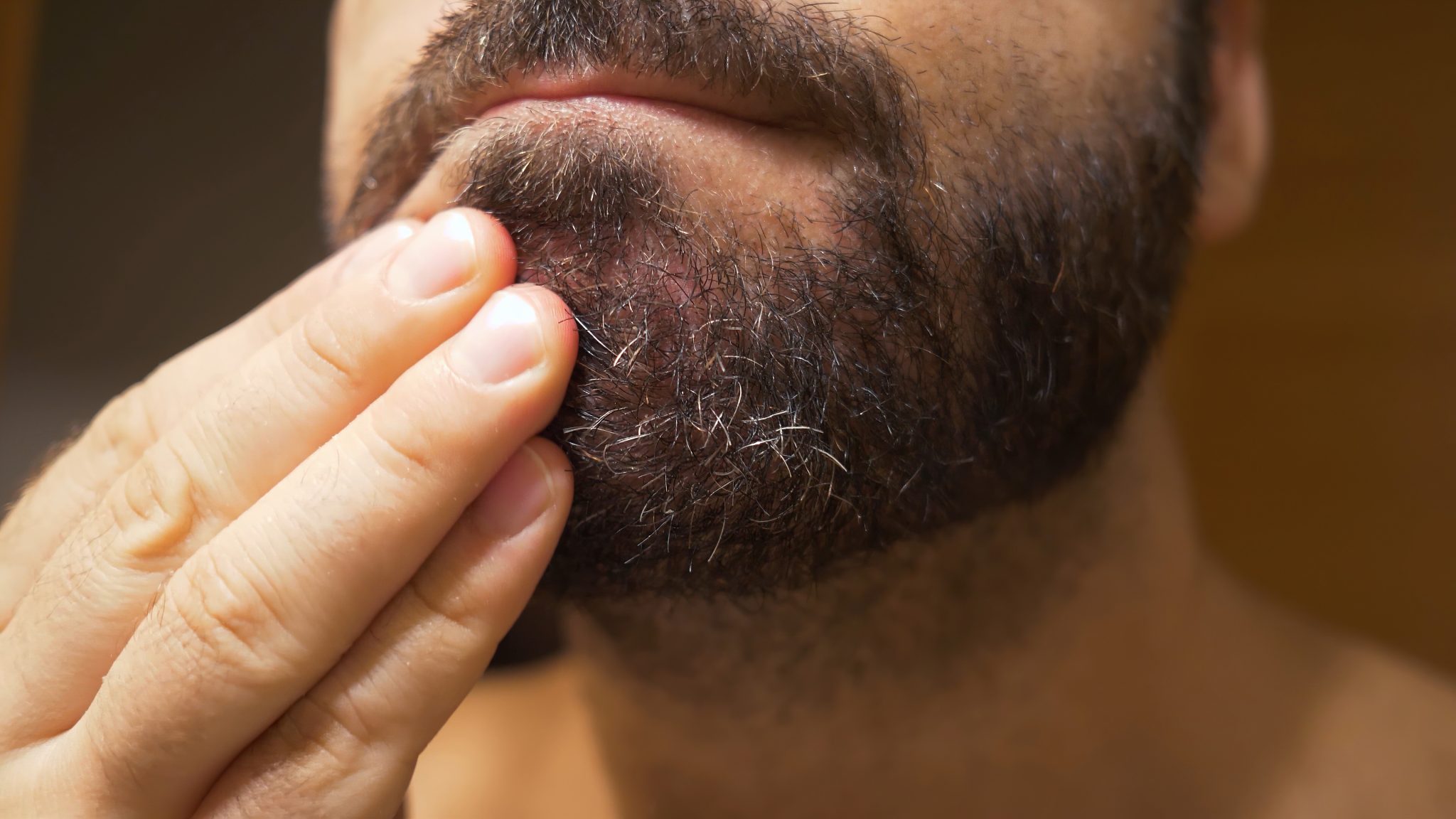
If you’ve put real time into growing and grooming your beard, discovering a film of flakes underneath it can feel so unfair. All that trimming, all those oils, and somehow your skin is staging a revolt. Here’s the thing though: beard dandruff usually isn’t a grooming problem at all. It’s a skin condition with a specific cause, which means it also has specific fixes.
It’s a skin condition first
What you’re dealing with is seborrheic dermatitis, driven by an overgrowth of a yeast called Malassezia. “We all have a microbiome that consists of bacteria and yeast that live on our skin,” explains Dr. Robert Finney, a board-certified dermatologist in New York City. Malassezia is there in everyone. The problem is when it tips out of balance.
Beards create a pretty hospitable environment for that to happen: warm, often oily, and with skin underneath that doesn’t get a lot of airflow. When sebum production spikes from stress, hormonal changes, or heavier face products, the yeast multiplies and triggers itching, redness, and flaking. It can start subtly, easy to write off as dry skin. In more pronounced cases, as master barber Gian Antonio Pisterzi describes it, “the skin under your beard may also become greasier with white clumps that are visible as dandruff flakes.”
Who gets it and when
Anyone with a beard can develop seborrheic dermatitis, regardless of length or thickness. Stress is a real trigger, as is anything that increases oil production on the skin. Seasons matter too. “We also often see flares around the change of seasons,” says Dr. Finney. If yours tends to show up in fall or spring and clear up otherwise, that pattern tells you something useful about when to stay on top of your routine.
How to build a prevention routine
There’s no cure for seborrheic dermatitis, so this is ongoing maintenance. The good news is it doesn’t have to be complicated.
Start with an anti-dandruff shampoo
The same formula you use on your scalp will work on your beard. The part most people skip is the wait time. Dr. Finney recommends wetting your beard at the sink, applying the shampoo directly to the skin at the base of the hair, and leaving it there for five minutes before rinsing in the shower. Brush your teeth while you wait. “Do this one to three times a week depending on how much is needed to keep flares from coming,” he says. It’s the contact time that does the work against the yeast.
Use a gentle cleanser on off days
On days without the anti-dandruff shampoo, use something mild and hydrating to keep the skin underneath nourished. Look for moisturizing ingredients like coconut water, argan oil, and avocado. Stripping the skin dry just triggers more oil production, which makes the whole problem worse.
Keep your beard and the skin under it hydrated
When beard hair dries out, the skin compensates by producing more oil. More oil means a better environment for Malassezia. A moisturizer designed for both skin and hair helps keep things steady.
Wash with the right technique
Scratching while washing worsens flaking, so use gentle circular motions with your fingertips instead. Pat dry rather than rubbing with a towel. It seems minor, but repeated friction on irritated skin adds up.
Exfoliate once or twice a week
Exfoliating removes the buildup of dead skin cells and oil that contribute to flaking. A face scrub works for shorter beards. If yours is thick, a chemical exfoliant reaches the skin more reliably without leaving particles trapped in the hair.
Trim regularly
Regular trimming reduces the accumulation of flakes and oil in the hair and helps prevent ingrown hairs, which can irritate the skin and add to the inflammation cycle.
What to do during a flare-up
Flare-ups happen regardless of how consistent your routine is. When they do, an over-the-counter cortisone cream can bring inflammation down quickly. Dr. Finney recommends applying it sparingly to the affected area for no more than 10 days per month on the face. “Using it longer can lead to problems, so if it isn’t helping enough, consult a dermatologist,” he says. It’s a short-term measure, not something to rely on regularly.
Beard dandruff is manageable in a way that a lot of skin conditions aren’t. The underlying cause is predictable, the triggers are trackable, and most of the routine adjustments are small. Once you figure out the pattern that keeps your skin stable, it largely takes care of itself.
Did this solution stand out? Share it with a friend or support our mission by becoming an Emissary.