BY THE OPTIMIST DAILY EDITORIAL TEAM
Not every vegetable belongs in a backyard garden. Some take up space, demand attention, and still cost more to grow than to buy once you factor in seeds, soil, and the time it takes. But some crops genuinely save you money, and if your grocery bill has been creeping up, those are the ones to plant.
Robert Westerfield, a horticulture specialist at the University of Georgia, and Damon Abdi, assistant professor at the Louisiana State University AgCenter, both weigh in on what pays off at home. Seven vegetables made the list.
Herbs
Westerfield describes herbs as “so forgiving,” and the economics back that up. Fresh herbs are among the most expensive produce per ounce at the grocery store, and a purchased bunch often goes partly to waste before you get through it. A plant in your garden means you take what you need, when you need it, and nothing wilts in the back of the drawer.
Rosemary is an especially smart first choice. It’s evergreen, drought-tolerant, and flowers in a way that looks good in the garden, not just the kitchen. Abdi recommends it specifically because you can harvest on demand rather than buying packaged herbs that “can languish if left unused.”
Peppers
Peppers are resilient in a way that a lot of vegetables aren’t. Westerfield calls them cold-hardy and says they “come through disease and insects better than anything.” They need consistent water and well-draining soil, but they produce over a long season, and fresh peppers aren’t cheap.
Tomatoes
Cherry tomatoes are the easiest entry point. Westerfield recommends starting with one or two plants, which he says will supply you through the season with “less trouble than the larger ones.” Give them a trellis or something to climb and they’ll mostly look after themselves.
Green beans
Green beans can be seeded directly into the ground, no transplants needed, and they produce heavily once they get going. “If you take care of them, you can harvest into the summer,” Westerfield says. They’re a forgiving crop and a reliable one, which makes them a sensible place to start.
Asparagus
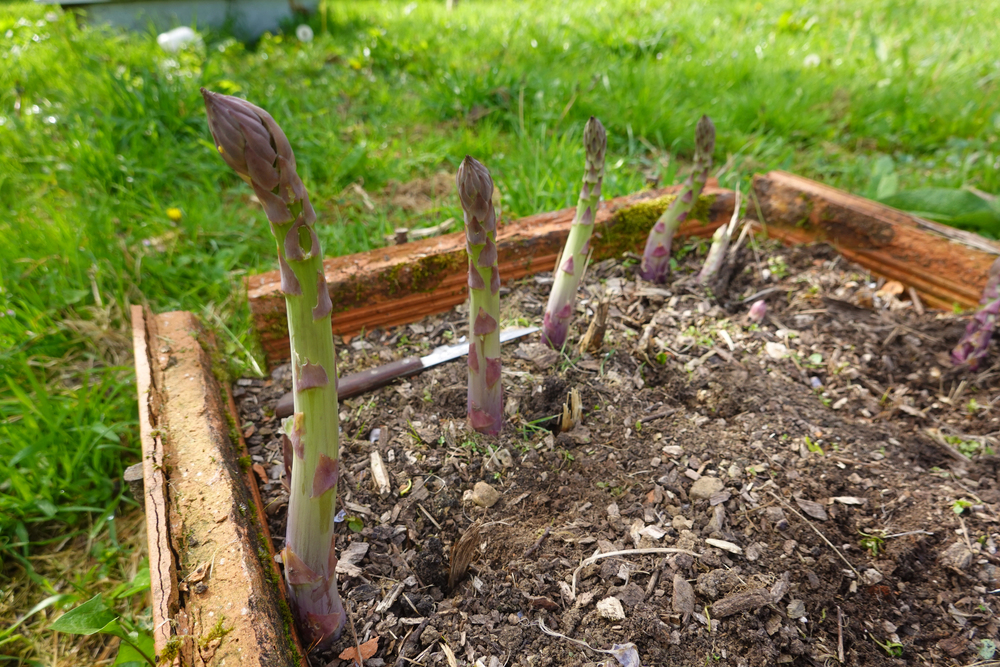
Asparagus is a different kind of investment. Both Westerfield and Abdi recommend it, but the payoff takes patience. The first year or two are about establishment. By the third and fourth year, the harvest grows. A well-maintained bed can produce for up to 20 years.
“Asparagus is pricey up front and takes a little time and effort, but it’s perennial once you get it established,” Westerfield says. “You’ll have it basically for life. They can keep on loving you as long as you love them.” Abdi notes that asparagus does best where winters are cool, and that gardeners in warmer climates should look for cold-hardy varieties bred for those conditions.
Cucumbers
Cucumbers produce heavily and pickle well, so a good summer harvest can stretch well into winter with a few jars on the shelf. Keep them off the ground by growing vertically, and they’ll stay healthier through the season.
Squash
Squash is easy to grow, though squash bugs and squash vine borers can derail a season quickly if you let them get ahead of you. Stay on top of those two pests, and you’ll come away with a solid harvest.
One honest caveat
Westerfield is all in on home growing, but he’s clear-eyed about the work involved. It takes time, effort, and real upfront cost. “You know what you put on it and you know where it comes from,” he says. “Usually, the taste and quality are outstanding. There’s nothing quite like fresh tomatoes and sweet corn out of the garden.” The garden only saves money if you’re harvesting and eating what you planted, so starting with the vegetables your household already goes through most is how you make sure it does.
Did this solution stand out? Share it with a friend or support our mission by becoming an Emissary.